
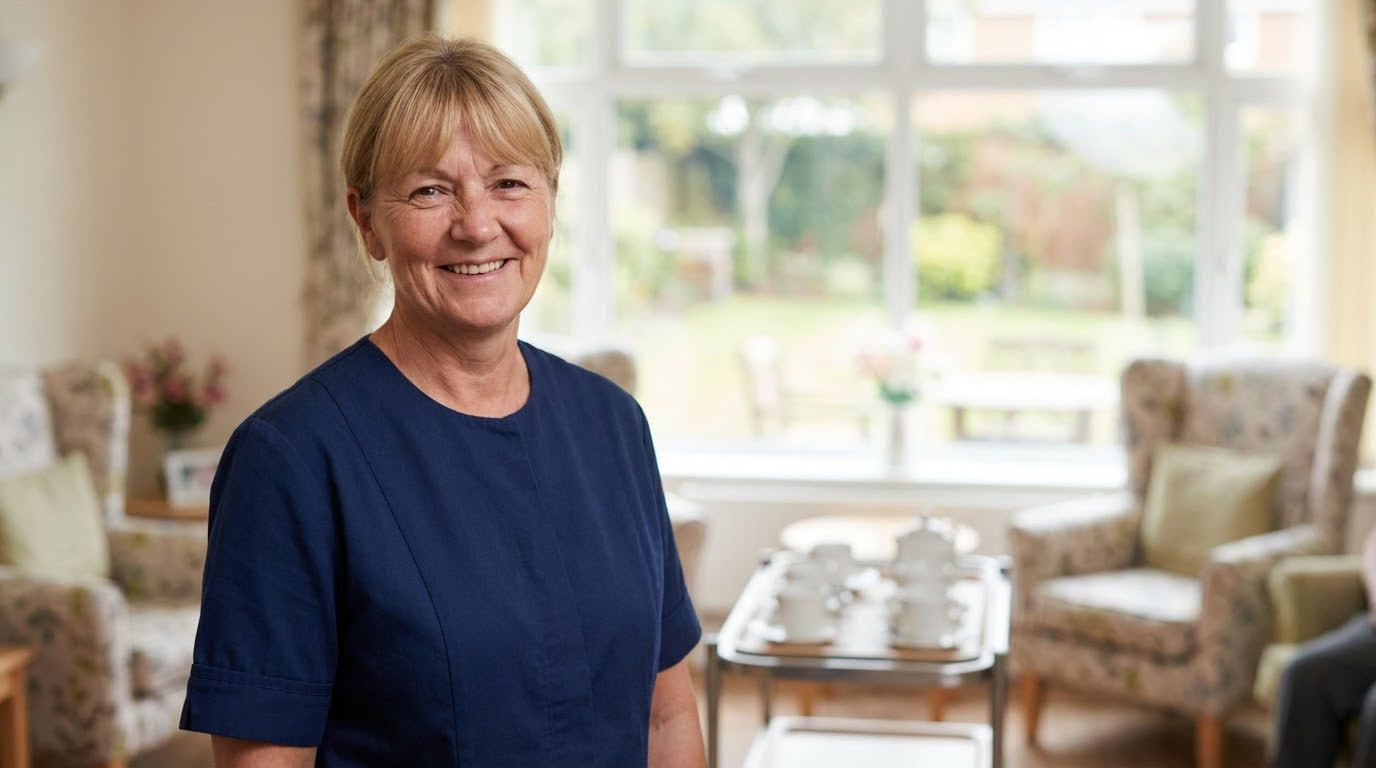
Tailored communication in health and social care means delivering information in a way that suits each person’s unique needs, preferences, abilities and circumstances. This approach focuses on adapting the style, tone, method and content of messages so they are clear, accessible, relevant and meaningful to the individual receiving them. In care environments, communication is not a “one size fits all” process. People differ greatly in their personalities, cultural backgrounds, literacy levels, health conditions, language skills, and emotional states. Adjusting communication makes information easier to understand and more likely to be acted upon.
Health and social care professionals work with people from many backgrounds and with diverse needs. It is important to make sure that every person is included and supported through communication that fits their situation. This approach improves trust, helps avoid misunderstandings and strengthens relationships between staff and those receiving care.
Why Communication Needs to be Personalised
When people receive care, they often have to make decisions about treatment, support plans or lifestyle changes. If information is given in a way that does not suit how they process it, there can be confusion and anxiety. Communication should take into account:
- Age and developmental stage
- Physical disabilities, such as hearing or vision impairments
- Learning disabilities or cognitive impairments
- Language preferences and literacy levels
- Emotional state and mental health needs
- Cultural beliefs and practices
By making messages relevant to the person’s context, the professional increases the likelihood that the individual will engage with the care process, follow advice and feel respected.
Key Principles
Tailored communication relies on several principles which guide how information is shared.
- Clarity: Use plain language with minimal jargon so the person understands what is being said.
- Adaptation: Adjust how and what you say based on the person’s abilities, needs and preferences.
- Active listening: Pay attention to feedback from the person and adapt further as required.
- Respect: Maintain dignity and avoid making assumptions.
- Relevance: Give information that is meaningful for the person’s situation.
These principles encourage effective interaction and reduce barriers to understanding.
Adapting Language
Language adaptation is a core aspect. This does not only mean speaking in a different language (such as offering translation services) but also choosing words that suit the person’s comprehension level. Medical terminology can be confusing, so simplifying terms or explaining them clearly makes the message easier to follow.
For people with hearing impairments, spoken words can be supported with written materials or sign language. For those with vision impairments, information can be provided in large print, Braille or audio formats.
Tone and Style of Communication
Tone affects how information is received. A calm and empathetic tone may be best for someone who is anxious. A direct, straightforward tone may suit a person who prefers factual information over emotional reassurance. Matching tone to personality helps reduce misunderstandings and supports stronger relationships.
The style can be conversational or formal, depending on context. For example, when discussing sensitive topics such as mental health or end-of-life care, a soft and patient style may help the person feel safe discussing personal matters.
Communication Methods
The method of communication may need to be adapted depending on the person’s circumstances. Some may prefer face-to-face conversations, others may find telephone calls easier. Digital formats such as emails or text messages can be used where technology access allows. Visual aids, diagrams and written handouts help many people understand complex information more quickly.
Professionals may use blended methods, combining verbal discussion with written materials, so that the person can refer back to the information later.
Cultural Sensitivity
Culture shapes how people interpret messages. Certain phrases or expressions might be misunderstood or carry different meanings in different cultures. Respecting these differences means avoiding culturally inappropriate statements, being aware of taboos, and understanding preferred styles of interaction.
For example, some cultures value direct eye contact in conversation, while others may see it as disrespectful. Professionals should be aware of such variations and adjust their communication accordingly.
Supporting Emotional Needs
Communication is not only about information; it is also about emotional connection. People who are distressed, worried or grieving may require messages that are reassuring, supportive and patient. In such cases, timing matters. Giving important information at a moment when the person feels overwhelmed may be unhelpful.
Professionals may need to assess whether a person is ready to receive certain information and choose an appropriate moment to share it. They may also need to repeat information later to support retention.
Working with Families and Carers
Tailored communication is not limited to the person receiving care. Family members and carers may also need information, and their needs can differ from those of the primary care recipient.
Carers might require detailed instructions on providing daily support, while family members may need updates expressed in a way they can emotionally manage. Information given to one group may not be suitable for another without adjustment.
Tailoring in Group Settings
In group settings, such as health education sessions, the challenge increases because multiple people have different needs. One way to address this is to provide materials in multiple formats and allow opportunities for questions. Group facilitators can adapt explanations based on participants’ responses.
Visual, auditory and participatory approaches help to meet varied communication preferences.
Building Trust Through Adaptation
Adjusting communication strengthens trust. Trust grows when people feel understood and valued. A person who feels that a professional respects their preferences will be more likely to engage in open conversation, disclose useful information and follow guidance.
The act of tailoring shows that the professional is paying attention to the person’s individuality rather than treating them as a number on a chart.
Avoiding Communication Barriers
Barriers can arise from:
- Language mismatches
- Sensory impairments
- Poor timing of messages
- Emotional distress
- Use of jargon or overly complex language
- Cultural misunderstandings
Awareness of these barriers allows the professional to prevent or reduce them through adaptation and variation of methods.
Ethical and Legal Aspects
There is a duty to provide information in a way that the person can understand before they consent to treatment or agree to a care plan. Failure to communicate effectively can be seen as neglecting this duty. Adjusting communication is part of respecting autonomy and promoting informed choice.
Confidentiality should be maintained no matter which communication method is used. This means being careful about privacy when using digital tools or sharing information in writing.
Training and Skills Development
Professionals benefit from training in communication skills, including active listening, non-verbal cues, cultural awareness, and techniques for simplifying complex information. Role-playing scenarios can help staff practise adapting messages for different needs.
Technology training may also be useful so staff can create accessible digital information for people who prefer it.
Practical Examples
Examples of communication variation:
- Providing medication instructions in pictorial form for those with low literacy
- Offering translated leaflets for people who speak another language
- Using gesture and facial expressions to support understanding for those with hearing loss
- Presenting lifestyle advice on heart health using simple diagrams in addition to verbal explanation
- Speaking slowly and clearly when working with people who have memory impairments, repeating main points and giving written notes for reference
Benefits for Care Outcomes
Adapting communication improves outcomes by increasing understanding, compliance and satisfaction with services. People who understand their treatment are more likely to follow care instructions, reducing avoidable complications or readmissions.
It also improves relationships between professionals and service users, making the care process smoother and more effective.
Challenges in Practice
Adjusting communication takes time and effort. In busy care settings, this can be difficult, but the benefits outweigh the effort. Language services may not always be available immediately. Technology access can vary.
Staff need patience, flexibility and creativity to overcome these challenges and to keep communication effective.
Importance of Feedback
Feedback from the person receiving care is an important guide for further adjustments. Asking “Does this make sense?” or “Would you like me to explain in a different way?” opens the door for them to express what works best for them.
This interactive approach helps to refine communication continuously.
Examples of Communication Adaptation in Different Care Settings
Communication in health and social care can vary greatly depending on the environment and the needs of the people involved. Below are examples showing how messages can be adjusted to suit different situations and service users.
Hospital Setting
Hospitals are fast-paced environments with a mix of urgent and routine interactions. People may be in pain, anxious, or tired, so messages need to be clear and sensitive.
- A nurse explaining post-surgery wound care to a patient who speaks a different language uses a translated leaflet and follows up with a visual demonstration on dressing changes.
- A doctor explaining test results to someone with low health literacy uses plain English and avoids complex medical terms, supplementing the explanation with a simple diagram of the affected area.
- A physiotherapist working with a patient recovering from a stroke uses slow, clear speech and repeats key instructions, providing written steps for home exercises.
Care Home Setting
Care homes often support older people, many of whom may have hearing loss, memory problems, or sight difficulties. Communication needs to be practical and caring.
- Staff members use large print notices to inform residents about activities, placing them in communal areas where they are easy to read.
- A care worker communicates with a resident who has dementia by using short sentences, maintaining eye contact, and gently repeating important points.
- Daily care plans are explained with visual schedules for residents who respond well to pictures rather than words.
GP Practice
General practice involves regular contact with people who may be visiting for routine check-ups or to address new health concerns.
- A GP explains a new medication to a patient by writing the dosage instructions clearly on paper, adding colour-coded boxes to show morning and evening doses.
- Reception staff assist a person with hearing loss by offering appointment reminders via text messages, avoiding reliance on telephone calls.
- A nurse gives lifestyle advice for managing diabetes through a combination of verbal instructions, printed leaflets, and a QR code linking to a video guide.
Mental Health Services
People in mental health settings may prefer a supportive and empathetic tone. Emotional safety is as important as factual clarity.
- A therapist communicates with someone experiencing anxiety by speaking slowly, using calm reassurance, and checking their understanding at each step.
- Support workers use small group sessions with role-play to explain coping strategies for stress, allowing participants to practise methods in a safe environment.
- Written information is kept brief and simple, with additional verbal explanation during one-to-one meetings to avoid overwhelming the person.
Children’s Services
Children respond to communication that is age-appropriate and often more interactive.
- A speech therapist uses picture books and interactive games to explain exercises to a child with speech delays.
- A social worker explains safeguarding processes to a teenager by breaking the topic into smaller parts and using relatable examples.
- Staff give health advice using animated videos on tablets, catching children’s interest and making learning enjoyable.
Community Health Outreach
Community health workers often interact with people outside formal healthcare settings, such as during home visits or local events.
- Information about flu vaccinations is given in simple leaflets written at a reading level suitable for the local population.
- Staff visiting homes of people with mobility issues show exercises using portable demonstration tools and adjust explanations for the space available.
- Outreach workers use community languages to ensure non-English speakers can understand public health messages.
Disability Support Services
People with physical or learning disabilities may require adapted formats or enriched communication methods.
- Instructions for using specialised equipment are given through step-by-step photo guides.
- Staff use communication boards to interact with people who cannot speak, allowing them to point to images or words.
- Information about health appointments is provided in easy-read form, combining short sentences with pictures.
Emergency Services
In emergencies, communication has to be direct and concise so people can act quickly.
- Paramedics explain procedures to someone with a hearing impairment by writing short notes and showing gestures.
- Fire service staff visiting care facilities give evacuation drills using visual floor maps and repeated verbal instructions.
- Police officers working with victims of trauma speak gently, avoid rushing, and use clear statements without unnecessary detail to prevent confusion.
Final Thoughts
Tailored communication in health and social care is about using information, tone, style and method that suit each person’s needs and abilities. It is grounded in respect, active listening and the willingness to adjust for understanding. The goals are clarity, accessibility and personal connection, which lead to better care outcomes and stronger relationships between professionals and those receiving support.
This approach takes into account a wide range of factors including cultural background, language skills, sensory abilities, emotional state, and learning needs. By making information relevant and easy to understand, professionals can create a care environment where every person feels heard, respected and informed. It is a skill that grows with practice, patience and awareness, and it lies at the heart of effective health and social care interaction.
Subscribe to Newsletter
Get the latest news and updates from Care Learning and be first to know about our free courses when they launch.
Free Communication Skills Training Course
Start a free course with Care Learning today. Certified training with interactive elements, videos and mobile friendly.


