
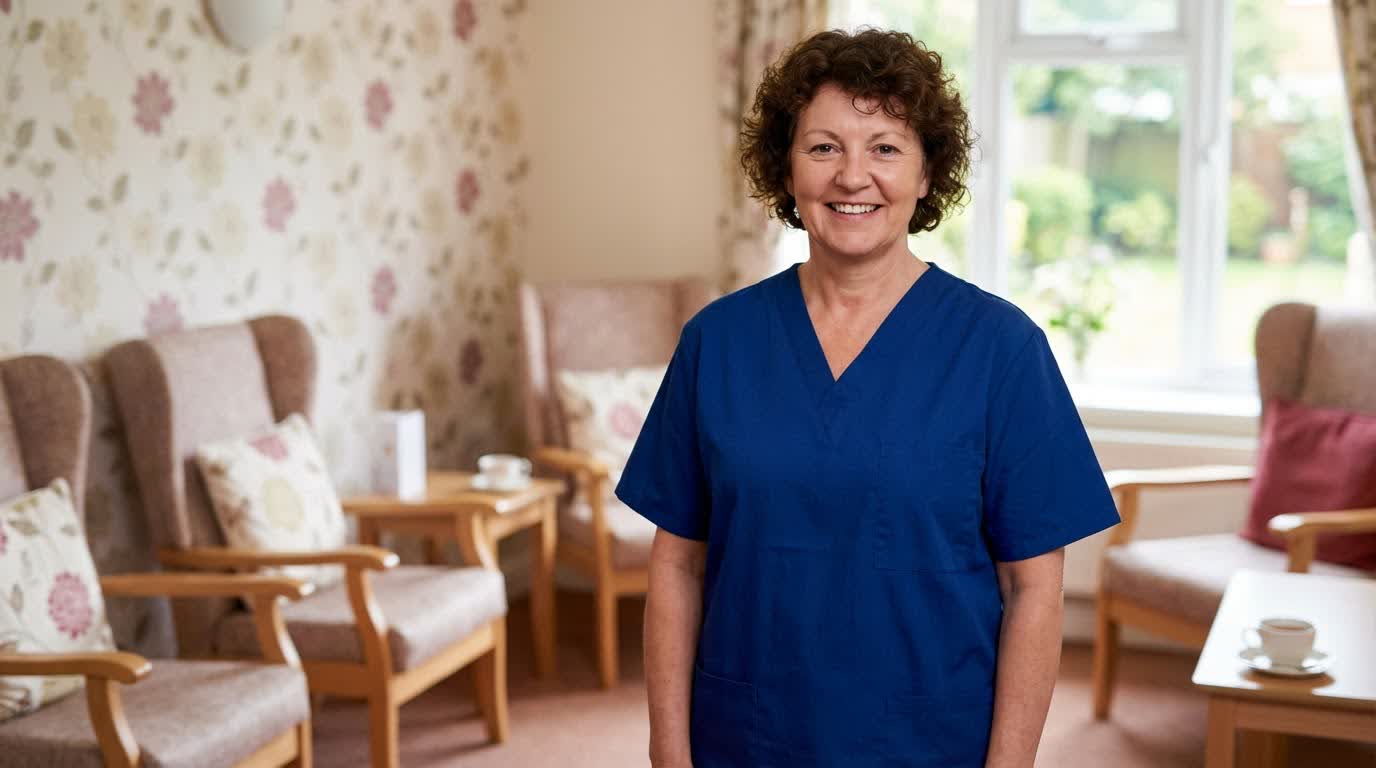
Health and social care covers a wide range of services that support people with their physical, mental, and emotional wellbeing. It also includes practical help for daily living. One of the most important truths about these services is that the same approach will not work for everyone. People have unique situations, backgrounds, and needs. Services must reflect this or they risk failing the individuals they are meant to support.
This idea applies across all areas of care – from medical treatment to personal assistance, from mental health support to community-based help. The reason is simple: no two people are exactly alike. Their age, health condition, family circumstances, beliefs, cultural traditions, and abilities all affect what support suits them best.
Differences in Health Needs
Each person’s health requirements can be very different. Treatments that work well for one person may be unsuitable for another. For example, two people with the same condition may respond differently to medication depending on their genetics, lifestyle, and other health problems.
Some people need ongoing care for long-term conditions, while others only require short-term help after an injury or illness. A “one size fits all” approach would ignore these differences and could cause harm or make recovery slower.
Services must take into account factors such as:
- Type and severity of health condition
- Presence of other illnesses
- Age and physical ability
- Allergies and reactions to treatments
- Lifestyle and daily routines
By looking closely at each person’s situation, care providers can choose safe and effective options that fit the individual.
Mental and Emotional Wellbeing
Mental health is another area where no single method works for everyone. People experience symptoms differently and have different coping strategies. For example, one person may find talking therapies helpful, while another may benefit more from medication or group support.
Cultural attitudes, personal beliefs, and personality traits all make a difference. Some people may be open to discussing their feelings, while others find this difficult or prefer other forms of help. A single fixed pathway would leave many without the support they truly need.
Different forms of mental health support may include:
- One-to-one counselling
- Cognitive behavioural therapy
- Medication for stabilising mood or reducing anxiety
- Peer support groups
- Creative activities such as art or music therapy
The choice must match the person’s preferences, background, and symptoms.
Social Care and Daily Living
Social care supports people who may need help with daily tasks because of illness, disability, or age. Here too, needs can vary hugely. Some may only require occasional visits to help with shopping or cleaning. Others may need full-time assistance with personal care, meal preparation, and mobility.
Personal circumstances matter. Someone living alone might need more practical help than someone in a supportive household. Access to community services, location, and transport options can also affect what kind of care is suitable.
Areas where variation is common include:
- Level of independence in daily activities
- Frequency and duration of care visits
- Transport and mobility support
- Accommodation needs, such as adapted housing
- Support networks, including family or friends
Cultural and Religious Considerations
People’s cultural and religious beliefs often influence how care should be provided. These beliefs can affect choices about diet, medical treatment, language needs, and privacy. A service that ignores these factors risks disrespecting or alienating individuals.
For example, dietary requirements based on religion may affect the meals provided in hospitals or care homes. Language barriers can make communication harder, and may require interpreters. Respect for religious practices, such as prayer times or clothing preferences, is also important.
Examples of adjustments based on cultural or religious needs:
- Offering meals that meet dietary rules
- Arranging interpreters or bilingual staff
- Respecting privacy during personal care
- Allowing space and time for prayer rituals
Age-Related Differences
People’s healthcare and social care needs change with age. Children require support that involves their parents or guardians, and often require educational help alongside medical care. Young adults may need services that focus on independence, career, and mental health support related to life choices. Older adults may require help with mobility, chronic conditions, and end-of-life care.
A service that tries to treat every age group the same would fail to meet the specific needs of each stage of life. Physical abilities, communication styles, learning needs, and living arrangements all affect what care works best.
Age-specific care considerations include:
- Suitable communication approaches, such as simple explanations for children
- Screening programmes for certain age groups
- Support for work and independent living for younger adults
- Managing chronic illnesses for older adults
- Assistance with end-of-life planning
Disability and Accessibility
People with disabilities may need adapted services to make sure they can access care equally. This could involve changes in the physical environment, special equipment, or adjustments in the way services are delivered.
Not all disabilities are visible. Hidden conditions such as autism, chronic pain, or mental health disorders may affect how care should be provided. Services must be flexible to meet accessibility needs both for physical and non-physical conditions.
Adjustments may involve:
- Wheelchair-friendly buildings and transport
- Hearing loops or sign language interpreters
- Flexible appointment times for those with fatigue or mobility challenges
- Sensory-friendly care environments for people with autism
Personal Preferences and Lifestyle
People often have their own views on how they want to receive care. These preferences can be based on past experiences, personal values, or daily routines. Respecting these choices can improve trust and encourage people to engage more with their care.
For example, some may prefer home-based care where possible, while others feel more comfortable in a clinic or community centre. Some may wish for minimal medical intervention, while others want proactive treatment.
Preferences can affect:
- Choice between home visits and clinic appointments
- Types of support offered in daily living
- Level of involvement in decision-making
- Communication style from care providers
Economic and Social Factors
A person’s financial situation and social circumstances can shape the kind of care they need or can access. Those with higher income may afford private treatment, while others rely fully on public services. Living conditions, employment status, and access to local resources all affect the picture.
Care services must acknowledge these realities and offer support that accounts for them. For example, someone with limited funds may need help accessing community support or grants. Lack of transport may require home visits instead of appointments at clinics.
Complex Cases and Combined Needs
Some people have a mix of needs across physical health, mental wellbeing, and social care. These cases require careful coordination between different service providers. If only one standard method were available, people with complex needs would lose out on vital aspects of support.
Joint care planning can involve collaboration between medical staff, social workers, and support organisations. The goal is to provide a package of care that covers all areas.
Examples of combined needs:
- A person recovering from surgery who also needs help with shopping and cleaning
- Someone with mental health challenges who needs physical therapy for injury recovery
- An older adult managing diabetes alongside mobility difficulties
The Role of Communication
Good communication between the person receiving care and the provider is essential. This helps identify individual needs and preferences, and makes it easier to adjust services as circumstances change.
Communication methods may vary, such as face-to-face meeting, written notes, phone calls, or video consultations. The choice should reflect what works best for the individual.
Poor communication risks misunderstandings, missed appointments, and ineffective care plans. Listening carefully and asking clear questions can lead to better service outcomes.
Final Thoughts
Health and social care cannot be given in a single fixed format that suits everyone. People differ in health conditions, mental wellbeing, personal preferences, cultural and religious beliefs, age, abilities, and economic situations. Services must respond to these differences if they are to be effective.
A flexible approach allows care providers to offer the right mix of medical treatment and practical support, and to respect the individual in every aspect of their life. This not only improves wellbeing but also builds trust between service users and providers. By recognising and responding to individuality, health and social care can genuinely serve the people who depend on it.
Subscribe to Newsletter
Get the latest news and updates from Care Learning and be first to know about our free courses when they launch.


