
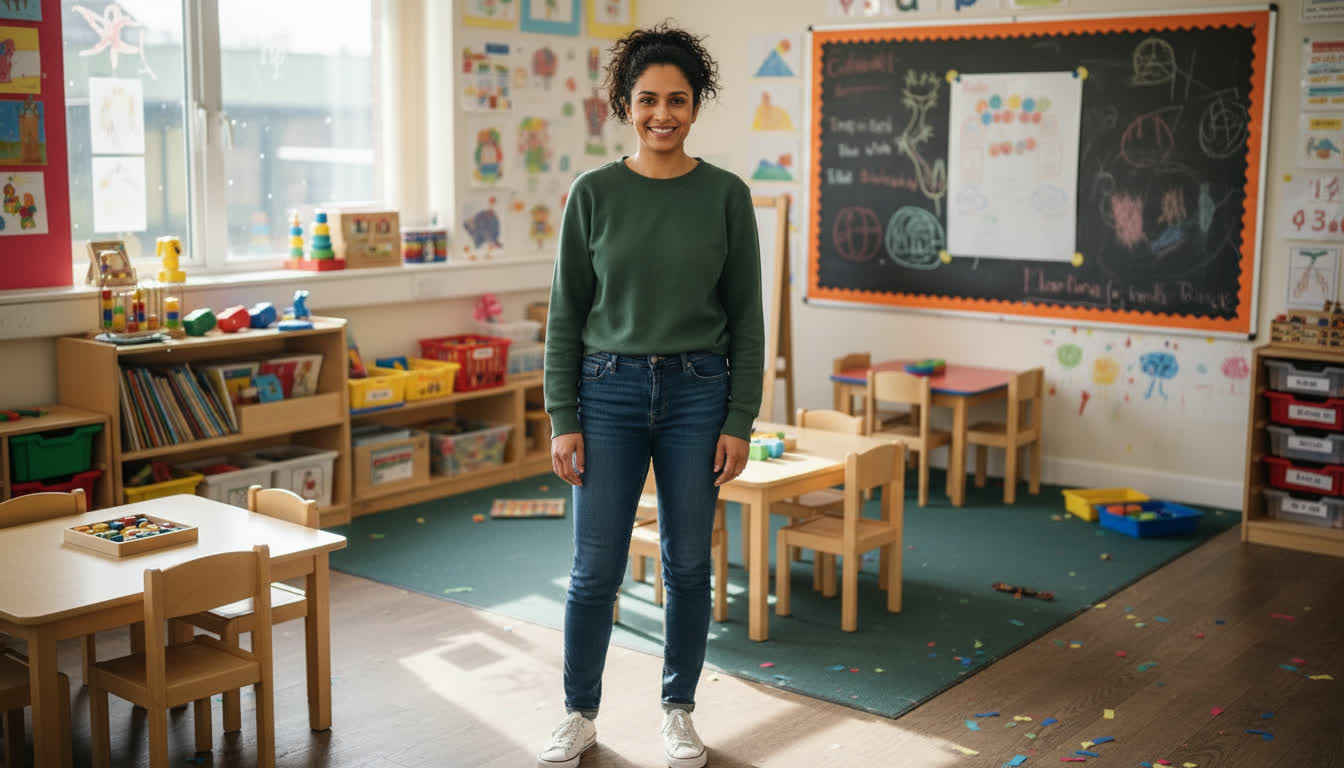
Inclusion in early years settings means ensuring that every child feels valued, supported and able to participate fully in the life of the setting. This applies to children of all backgrounds, abilities, religions and cultures. An inclusive environment gives equal opportunities for learning and development, removing or reducing barriers that might prevent a child from accessing activities or experiences.
Children develop their sense of self and belonging through daily routines, interactions with others and access to learning activities. If they see themselves reflected in the curriculum and feel their differences are respected, they are more likely to engage and thrive. Inclusion is not just about accommodating certain needs; it is about looking at the whole environment and making sure it works for everyone.
Developing Awareness and Sensitivity Among Staff
The attitudes and behaviours of staff have a direct effect on how inclusive a setting feels. Practitioners should be aware of how differences in language, culture, traditions, abilities and family structures can affect a child’s perspective. It is important for staff to treat all differences with respect and kindness.
This means:
- Taking time to learn about the backgrounds and needs of each child
- Avoiding assumptions about abilities or family circumstances
- Using inclusive language that does not stereotype or exclude
- Listening to parents and carers to better understand each child’s experiences
Training sessions can help practitioners build confidence in supporting a wide range of needs, from physical disabilities to special educational needs, and from English as an additional language to diverse cultural backgrounds.
Creating a Welcoming Physical Environment
The physical space should reflect inclusion in a visible way. Every child should be able to navigate the learning environment safely and independently where possible. This may involve adjustments for mobility, sensory needs or other physical requirements.
Practical steps include:
- Clear pathways for ease of movement
- Accessible storage for toys and resources at child height
- Calm spaces for children who need time away from busy areas
- Displays that reflect different cultures, languages and family types
- Materials and equipment suitable for different abilities
A welcoming environment can be created by using positive imagery, photographs showing the children in the setting, and displays that celebrate diversity. If resources reflect a variety of people and lifestyles, children are more likely to see their own experiences valued.
Inclusive Planning and Curriculum
Planning activities with inclusion in mind ensures that all children can take part meaningfully. Every child should be able to engage with tasks at their own level and have opportunities to succeed.
Strategies include:
- Offering different ways to take part in an activity, such as using tools, hands-on exploration, or role play
- Adapting materials for those with sensory or physical needs
- Providing visual aids or translation support where language may be a barrier
- Encouraging peer support and collaboration
- Allowing extra time for children who process information differently
An inclusive curriculum recognises that early learning covers much more than academic skills – social, emotional and physical development are equally valued. Storybooks, songs, and role play can all be chosen to introduce and celebrate differences in a positive way.
Supporting Children with Additional Needs
Some children may have special educational needs or disabilities which require targeted support. Inclusion means making adjustments so they can participate fully and feel part of the group.
Support strategies include:
- Working with specialists such as speech and language therapists, occupational therapists or educational psychologists
- Developing individual plans with clear goals
- Using visual timetables to support routine and predictability
- Providing sensory tools such as fidget toys or weighted cushions
- Allowing flexibility in activities so a child can work in a way that suits them
Parents and carers are an important part of this process. They can provide insight into what strategies work best at home, and this information can guide practice in the setting.
Encouraging Positive Social Interactions
Healthy social relationships are fundamental to inclusion. Children learn through interacting with others, so the environment should support positive and respectful exchanges.
Ways to support this include:
- Modelling kindness and respect in all interactions
- Teaching children how to share and cooperate
- Encouraging empathy by discussing feelings and experiences
- Pairing children of different abilities or backgrounds for joint activities
- Addressing unkind behaviour promptly and explaining why it is unacceptable
Group games, role play and collaborative projects allow children to build friendships and develop communication skills. Inclusion thrives when children feel they belong to a supportive community.
Celebrating Diversity Through Resources and Activities
Celebrating diversity means showing that differences are valued and interesting. This can be reflected in resources, displays and activities.
Examples include:
- Books that feature characters from different ethnicities, abilities and family structures
- Cooking activities that introduce foods from various traditions
- Songs and stories from different languages
- Role play areas that reflect a range of communities
- Art projects inspired by styles or traditions from around the world
This approach helps children understand that variation is normal and positive, and it can reduce prejudice or stereotypes in their thinking.
Listening to Children’s Voices
Children are more likely to feel included if their ideas and feelings matter. Creating opportunities for them to express themselves is a core part of inclusion.
This can be achieved by:
- Asking children how they would like activities to be organised
- Encouraging them to share stories about their lives
- Offering choices in play and learning
- Using drawings, models and role play to let children express understanding
Practitioners should show genuine interest in what children say and make changes where possible based on their feedback. This builds trust and respect.
Involving Parents and Carers
Parents and carers are partners in creating an inclusive environment. Their engagement helps maintain consistency between home and the setting.
Strategies include:
- Regular communication about activities and progress
- Inviting parents to take part in events or share cultural traditions
- Offering translated information or interpreters where needed
- Asking for input on resources or activities that reflect the home environment
- Supporting families with advice or signposting to services
When families feel welcome and heard, children benefit from a stronger sense of connection and support.
Addressing Behaviour in a Fair and Supportive Way
Behaviour management should treat all children with fairness and respect. Inclusion means understanding that behaviour may be shaped by emotions, developmental stage, or unmet needs.
Staff can support positive behaviour by:
- Setting clear and consistent expectations
- Offering praise for effort and kindness
- Redirecting negative behaviour with practical suggestions
- Identifying triggers and removing them where possible
- Working with parents to find strategies that help
Approaching behaviour as an opportunity to teach self-regulation allows children to learn how to manage their feelings and interact appropriately.
Building Confidence and Independence
An inclusive environment helps every child grow in confidence and independence. This means giving opportunities to take on tasks, make decisions and learn from experience.
Ideas for supporting this:
- Allowing children to choose resources and set up their own activities
- Encouraging attempts even if mistakes occur
- Providing clear instructions and showing techniques
- Celebrating achievements, both large and small
- Supporting peer learning so children can help each other
When children feel capable, they are more willing to engage with new experiences, which supports overall development.
Continuous Reflection and Development
Creating an inclusive environment is an ongoing process. Practitioners should regularly reflect on whether current practice meets the needs of all children, and make adjustments where needed.
Reflection can be supported by:
- Staff discussions to share observations and ideas
- Feedback from parents and carers
- Reviewing the environment and resources
- Checking whether activities meet the range of developmental stages
- Seeking guidance from inclusion specialists where appropriate
Making inclusion part of daily thinking means changes are made in response to actual needs rather than assumptions.
Final Thoughts
Inclusion is about every child feeling they belong and can participate in all aspects of the setting. It covers physical access, curriculum planning, resources, social relationships and communication with families. The environment should support differences by removing barriers and offering varied ways to engage.
Practitioners, parents and children all play a part in making this work. With consistent reflection and willingness to adjust practices, an early years setting can be a place where all children thrive and feel respected.
Subscribe to Newsletter
Get the latest news and updates from Care Learning and be first to know about our free courses when they launch.

