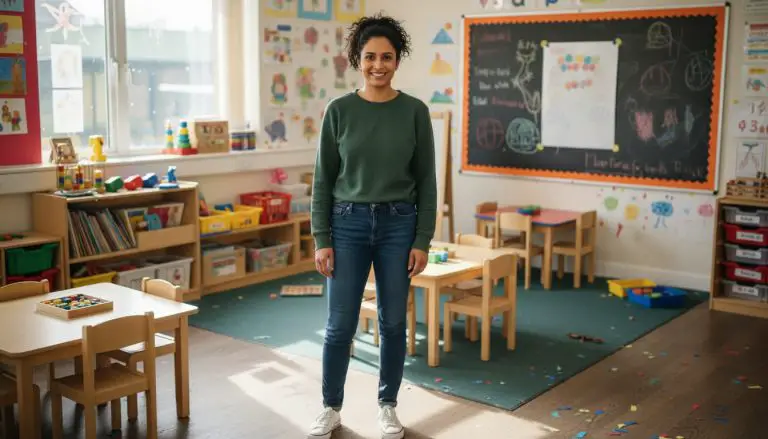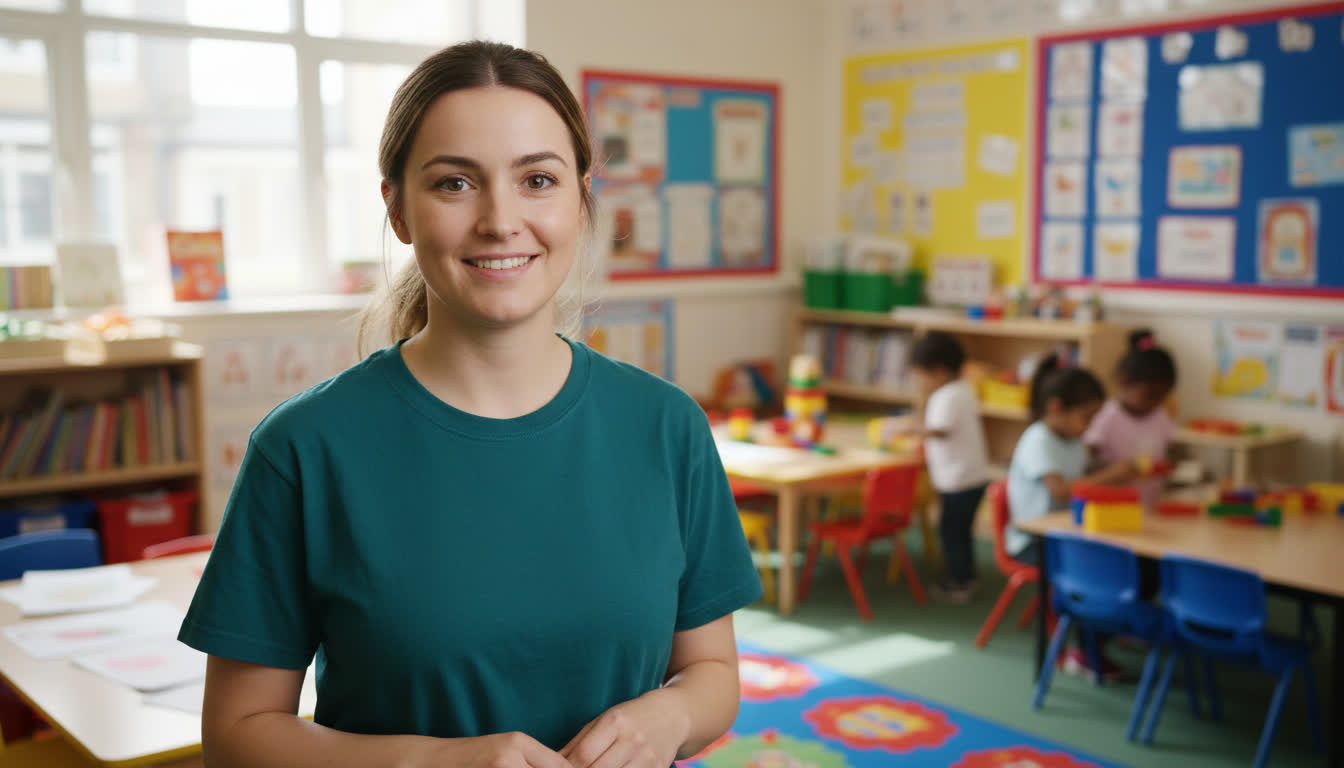
Equality in early years settings means giving every child the same chance to reach their full potential. It is about creating an atmosphere where all children feel valued, respected, and treated fairly. Staff need to take into account different needs, backgrounds, and experiences so every child can participate and learn without being treated unfairly.
Children may differ in language, culture, religion, ability, family structure, and socio-economic background. Treating them all the same does not always achieve fairness. Fairness sometimes requires adjusting activities and support so every child can take part fully.
An equal environment affects children’s sense of self-worth and their ability to build positive relationships. Through everyday routines and carefully planned activities, adults can help to reduce prejudice and create a welcoming space for all.
Creating an Inclusive Environment
An inclusive environment is one where every child feels they belong. This means making changes to physical spaces, routines, and attitudes so that no one feels left out.
This can include displaying photographs, images, and resources that reflect different ethnicities, family types, and abilities. Books can show a range of cultures and characters, and dolls or role-play items can represent a variety of skin tones and abilities.
Staff should monitor resources for stereotypes. For example, avoiding only showing boys as firefighters and girls as nurses. Offering a balance gives children the chance to see any role as open to them.
Examples include:
- Having dressing-up clothes that represent a range of cultures and professions for both boys and girls to use.
- Providing crayons and paints in a variety of skin tones.
- Using signs and labels in more than one language if the setting has children from homes where different languages are spoken.
Valuing and Respecting Diversity
Valuing diversity is about celebrating difference rather than pretending it does not exist. Children learn about respect when they see adults respecting and talking positively about differences.
When children notice differences, such as someone using a wheelchair, staff can talk openly in a way that is age-appropriate. This may involve simple explanations without making the topic uncomfortable or off-limits.
A diverse environment can include sharing songs, foods, and stories from different cultures. Care must be taken not to treat these as rare, special occasions only. Instead, they can be woven into everyday life so children see difference as normal.
For example:
- Reading a range of storybooks from different cultures across the year, not just during a themed week.
- Encouraging children to share words from their home language during circle time.
- Offering a menu that varies across the year to reflect a range of dietary traditions.
By doing this, children come to understand that different ways of living are equally valid.
Removing Barriers to Participation
Some children may need extra help to take part fully in activities. Identifying and addressing these needs helps provide fair opportunities.
Barriers can be physical, such as rooms that are hard to enter for children who have mobility difficulties. They can also be linked to communication, such as activities that rely heavily on spoken instruction for children who have speech or hearing difficulties.
Solutions could include:
- Providing ramps and wide spaces in play areas.
- Using sign language or visual aids alongside speech.
- Adapting activities so they can be completed in more than one way, giving each child a chance to succeed.
Staff must be flexible and creative in finding approaches that make participation possible for everyone.
Encouraging Positive Behaviour and Anti-Bias Attitudes
Children watch adults closely and copy their behaviour. Staff attitudes to fairness, kindness, and respect set the tone for the group. Adults should challenge discriminatory language or behaviour straight away, but in a calm and constructive way. The aim is to help children understand why certain behaviour is not acceptable.
When differences between children lead to teasing or exclusion, staff can use group discussions, stories, and role-play to help children think about feelings and fairness.
For example:
- Reading a story about a character who feels left out and talking about it afterwards.
- Using puppets to act out a situation where one character is treated unfairly and asking children how the problem could be solved.
Consistent positive reinforcement of inclusive behaviour helps children learn that kindness and fairness are valued.
Working in Partnership with Families
Families are the child’s first teachers. Building a relationship of trust with families helps the setting support each child in the best way possible. Listening to parents’ views and asking about their child’s background, needs, and strengths allows staff to make the environment welcoming.
This can mean respecting family customs, dietary needs, or religious practices. Where possible, staff can include elements important to families in day-to-day activities.
Examples:
- Inviting parents to share songs, stories, or games from their culture.
- Sending home communication in a family’s preferred language.
- Being respectful about dietary rules and ensuring menus meet these needs.
Families who feel respected and involved are more likely to share information that helps staff support their child’s development.
Staff Training and Awareness
For equality to be consistent, all staff should understand what it means in practice. Training can help staff become more aware of unconscious bias and cultural sensitivity.
Staff can learn how to:
- Plan activities that are inclusive for all children.
- Spot and challenge inequality in everyday situations.
- Communicate effectively with children from different backgrounds and with different needs.
Regular reflection sessions where staff discuss challenges and share ideas can help maintain consistency throughout the setting.
Representation in Resources and Curriculum
Resources such as books, displays, puzzles, and toys should show a wide variety of people, communities, and abilities. Representation sends a message to children about who is valued in society. If children regularly see people like themselves in positive roles, it can boost confidence.
For example:
- Including books where characters come from single-parent families, have disabilities, or speak different languages.
- Using role models in posters who are of different genders in roles such as scientists, builders, or carers.
- Creating displays of celebrations from a number of traditions throughout the year.
Such representation teaches children that everyone has a place and can succeed.
Modelling Respect in Communication
The way adults speak to each other and to children is noticed and remembered. Using respectful language, giving time for children to express themselves, and listening carefully makes them feel valued.
When staff use inclusive language, avoid making assumptions, and are open to learning from others, they show children that respect is part of everyday interaction.
Examples include introducing activities with phrases such as, “Some families like to…” rather than making statements that suggest all families do the same thing. This normalises difference and avoids children feeling excluded.
Practising Fairness in Opportunities
Children should be given equal chances to take on responsibilities, try out leadership roles, or join in popular activities. Staff can manage turn-taking fairly and make sure quieter children are invited to join in.
Practical ways to do this:
- Rotating roles such as handing out fruit at snack time.
- Not always choosing the same children to answer questions during group time.
- Encouraging both boys and girls to join in physical or messy play.
Fair access to activities helps every child feel valued and gives them space to develop skills in different areas.
Monitoring and Reflecting on Practice
Regular reflection helps keep standards high. This might involve assessing whether opportunities are evenly spread, checking that displays show a broad range of experiences, or listening to feedback from parents and children.
Staff can keep simple records of participation in activities to see if certain children are missing out. Planning can then address any gaps.
Peer observations, where staff watch each other’s practice and share constructive feedback, can identify areas for improvement in promoting fairness.
Final Thoughts
Giving every child the same chance to thrive is about being intentional in daily practice. It means choosing resources, language, and activities that reflect and value all kinds of people. It means removing barriers to learning or participation and creating an environment where difference is normal and welcome.
By modelling respectful behaviour, offering fair opportunities, and working closely with families, staff can create a space where each child feels safe, accepted, and motivated to learn. The end goal is a setting where all children can develop confidence in who they are and build respectful relationships that prepare them for life.
Subscribe to Newsletter
Get the latest news and updates from Care Learning and be first to know about our free courses when they launch.