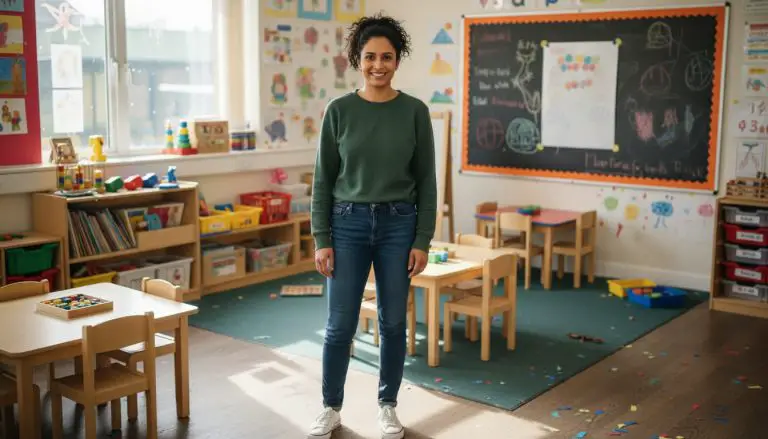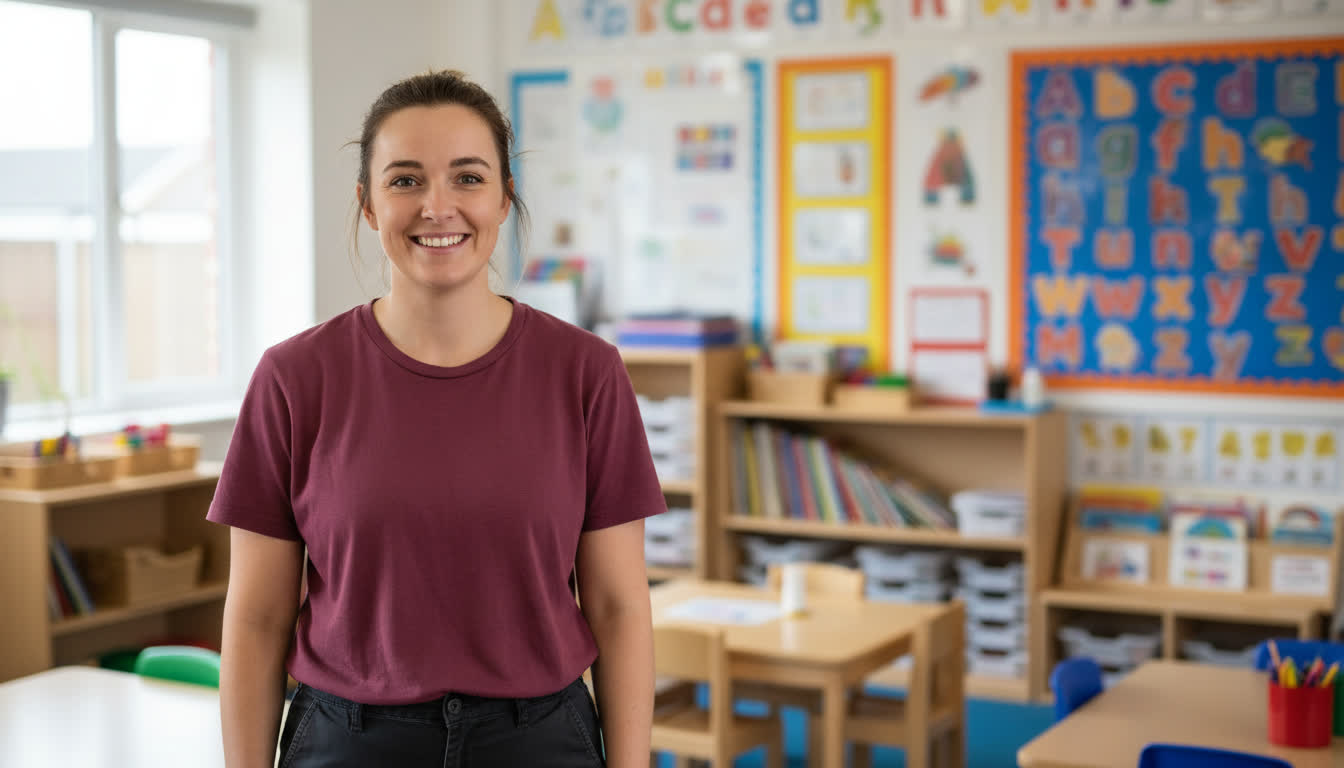
Anti-bias practice in early years refers to an approach where early childhood educators and caregivers take active steps to challenge prejudice, stereotypes, and discrimination in learning environments for young children. This means creating spaces where every child feels valued and respected regardless of their race, culture, language, religion, gender, family structure, ability, or any other aspect of identity.
The aim is that children grow with a positive sense of who they are and with respect for others. This practice is not passive—it requires educators to notice unfair patterns, speak out when necessary, and provide opportunities for children to learn about diversity and inclusion from a young age.
Anti-bias practice recognises that bias—whether conscious or unconscious—can shape how children are treated and can influence what they learn. It calls for thoughtful reflection on teaching methods, resources, and interactions with both children and families.
The Goals of Anti-Bias Practice
Anti-bias practice is guided by four broad goals that many early years settings adopt:
- Children develop self-awareness: They know who they are and take pride in their identity.
- Children learn to appreciate differences: They see diversity as interesting, positive, and normal.
- Children recognise unfairness: They can spot when something is wrong or biased.
- Children take action against unfairness: They express their views and show empathy for others.
These goals work together to help children grow into open-minded, respectful individuals. Even at a young age, children can understand fairness, kindness, and respect when given the right guidance.
Why Anti-Bias Practice Are Important
Research into child development shows that children begin forming ideas about differences very early. Toddlers can notice variations in skin colour, language, and physical ability. By the age of preschool, they may start repeating stereotypes they have heard from adults, media, or peers.
If educators and caregivers do not actively address bias, children may come to believe these stereotypes are true. This can impact their relationships with others and their own self-esteem. Anti-bias practice interrupts this cycle by showing positive examples of diversity and giving children tools to question harmful ideas.
It also creates a safer and fairer learning environment. Children who feel included are more likely to participate, form friendships, and enjoy learning. Families, too, benefit from knowing their backgrounds, beliefs, and identities are respected.
Putting Anti-Bias Practice into Action
Anti-bias practice is not a single activity but a constant way of working. It influences how curriculum is planned, how daily routines are managed, and how interactions happen. Here are some ways this can be applied:
- Representation in resources: Books, images, and toys reflect a range of cultures, abilities, genders, and family structures. For example, having dolls with different skin tones, storybooks showing same-sex parents, and puzzles featuring wheelchair users.
- Inclusive language: Avoiding terms that stereotype or exclude and using words that affirm identity. For instance, using “families” instead of “mums and dads,” and respecting the pronunciation of children’s names.
- Celebrating cultural events: Marking festivals from different traditions, not as “special” or “exotic,” but as part of everyday life.
- Addressing unfair behaviour: If a child says something hurtful about someone’s differences, the adult responds calmly, explains why it is unfair, and offers better ways to think or talk about that difference.
- Accessible learning environments: Arranging spaces and activities so all children can take part, including those with physical or sensory needs.
Examples of Anti-Bias Practice
Example 1: Storytime Choices
An educator reads picture books that represent different lifestyles and cultures. One day, the story features a child with a hearing aid who enjoys playing football. Another day, a book shows two dads picking up their child from school. After each story, the educator invites discussion: “What did you notice?” “How do you think they felt?” This normalises difference and encourages empathy.
Example 2: Art Activity on Self-Portraits
Children paint self-portraits using a wide range of skin tone paints. They choose colours that match their own skin. The educator comments positively on each child’s choice and notices features without judgement, “I see you added your curly hair!” This promotes pride in appearance and avoids favouring one look over another.
Example 3: Inclusive Festive Celebrations
In December, the setting displays decorations and hosts activities for Hanukkah, Christmas, and other winter events. Children make cards for families using symbols from these traditions. Staff speak about the meaning behind each celebration and welcome any family input. This shows that no one holiday is more valid than another.
Example 4: Challenging Stereotypes in Play
During pretend play, a child insists that only boys can be firefighters. The educator joins in calmly and says, “Lots of women are firefighters too. Let’s look at these pictures.” The child sees photographic evidence and is encouraged to choose whatever role they want in the play area.
Example 5: Multilingual Welcome Signs
At the entrance, a board shows the word “Welcome” in the languages spoken by families in the setting. Staff greet children using their home languages if they can. This sends a message that all languages are valued and respected.
Observing and Reflecting on Bias
Anti-bias practice involves noticing both obvious and subtle bias. This might mean observing how children play together—do they avoid certain peers because of differences? It might mean reflecting on teaching patterns—do certain children get more praise or discipline than others?
Educators often keep reflective journals or discuss observations in team meetings to identify areas where bias could appear. The process is ongoing, as attitudes and interactions can shift over time.
Working with Families
Families are partners in anti-bias practice. Communication with them is key for understanding the child’s background and experiences. This might include:
- Inviting families to share traditions, stories, or songs with the children.
- Respecting family beliefs and values, even if they differ from the staff’s own.
- Offering translated materials or interpreters if needed.
- Asking families for feedback about inclusion and fairness in the setting.
Such cooperation strengthens trust between home and the learning environment and supports consistent messaging about respect and diversity.
Building Confidence in Children
Anti-bias practice helps children develop a strong sense of belonging. They learn that their identity is respected and that differences are interesting rather than threatening.
Children can be given responsibilities such as being “kindness monitors” or leading group discussions about fairness. These activities encourage self-expression and confidence. When they understand that speaking up against unfairness is welcomed, they are more likely to challenge it outside the setting too.
Role of the Educator
Educators act as role models. The way they speak, act, and respond shows children how bias can be addressed. They must avoid favouritism, treat all opinions respectfully, and be open to learning from mistakes.
Continuous professional development in diversity and inclusion can help. Training sessions on unconscious bias, cultural awareness, and supporting children with additional needs provide useful strategies.
Resources and Materials to Support Anti-Bias Practice
Some useful resources include:
- Books: Picture books that challenge gender roles, reflect varied skin tones, show different family structures.
- Posters: Images of people from different backgrounds engaging in everyday activities.
- Role-play items: Costumes representing varied professions for all children to use.
- Art supplies: Materials that allow for realistic self-portraits, such as different hair type textures and skin colour paints.
These resources are not just decorative—they are used actively in activities to spark conversation and learning.
Overcoming Barriers
Anti-bias practice can face challenges such as lack of resources, reluctance from some families, or the need for staff to confront their own bias. Overcoming these barriers involves open communication, creative use of available materials, and an honest willingness to reflect on and improve practice.
Final Thoughts
Anti-bias practice in early years is a proactive way of creating environments where every child can thrive without fear of discrimination or exclusion. It starts with valuing each child’s identity and continues with everyday experiences that reflect diversity and fairness.
By combining representation, inclusive language, respectful communication, and role modelling, educators can give children the tools to see difference positively and to challenge unfairness. Anti-bias practice is not just about teaching children—it is about shaping a culture of respect in the setting that will influence them for years to come.
Subscribe to Newsletter
Get the latest news and updates from Care Learning and be first to know about our free courses when they launch.