End of content
End of content

CFC 27 focuses on how play supports children’s learning and development and what makes a positive learning environment. It also explores how play can challenge stereotyping and discrimination. The links on this page take you through each learning outcome, while this introduction brings the themes together so you can see how the environment, adult approach and resources shape children’s opportunities through play.
Play is not “extra” in early years. It is how children learn. Through play, children practise skills, test ideas, build relationships and make sense of their world. Some play is energetic and noisy. Some play is quiet and focused. All of it can contribute to development when children feel safe and supported.
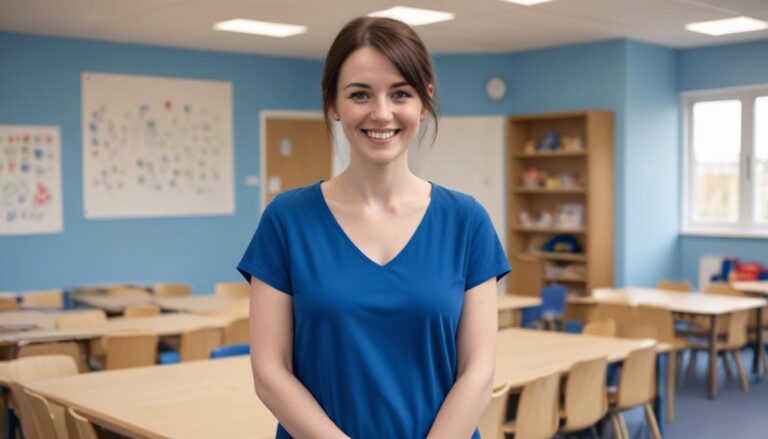
This unit begins with identifying features of a setting that contribute to a positive learning environment. A positive environment is one where children feel secure, welcomed and able to explore. Features might include warm adult-child relationships, predictable routines, clear boundaries, a calm tone, and spaces that are organised and accessible. Children are more likely to play deeply when resources are easy to reach, when there is space to move, and when they can find quiet areas as well as active areas.
You will also state how these features help children learn through play activities and strategies. For example, predictable routines help children feel safe enough to take risks in learning. Clear organisation helps children make independent choices. Responsive adults help children stay engaged and extend their thinking with simple prompts. A calm environment can help children manage emotions and focus. In practice, it is often the adult approach—patient, interested, consistent—that makes the biggest difference.
The second part of the unit asks you to outline how play supports learning in different developmental areas: physical, intellectual, language, emotional and social. Physical development is supported through running, climbing, balancing, building and manipulating objects. Intellectual development is supported through problem-solving, pretend play, sorting, matching, and exploring cause-and-effect. Language develops through stories, role play, songs, shared attention and conversation during play. Emotional development grows when children practise expressing feelings, managing frustration, and building resilience. Social development is supported through turn-taking, sharing, negotiating roles, and learning empathy.
It can help to think about the same play activity supporting multiple areas. For example, building a train track supports physical skills (fine motor control), intellectual skills (planning and problem-solving), language (talking about what happens), and social skills (working together). Play rarely fits neatly into one box, which is why it is such a strong learning tool.
CFC 27 also looks at stereotyping and discrimination in play. Stereotyping can show up in comments like “That’s for boys” or “Girls don’t do that”, or in resources that only show certain families, jobs or cultures in a narrow way. Discrimination can happen when children are excluded from play due to disability, language, gender, race or other differences. This unit helps you notice these patterns and choose resources and approaches that challenge them.
You will give an example of stereotyping in play and identify how materials, resources or activities can challenge stereotyping and discrimination. Inclusive resources might include books and dolls that represent different ethnicities, disabilities and family structures, role play items that allow children to explore a range of jobs and identities, and activities that are open-ended rather than “pink for girls, blue for boys”. Adult language matters too. You can challenge stereotypes gently by offering alternatives: “Anyone can be a firefighter” or “Let’s all have a turn with the tools.”
Here’s a practice example: in a nursery role play area, only girls are choosing the baby dolls, while boys are being directed towards blocks and cars. A positive, inclusive approach might involve offering all children choices, modelling boys caring for dolls, and including resources like aprons, tool belts, and cooking items that are not presented as “gendered”. Another example: a child with limited mobility is left out of outdoor play because the activity is always running games. Including adapted games, accessible equipment, and supportive peer roles can ensure the child is included meaningfully.
A positive learning environment is also one where differences are normalised and valued. Children learn from what they see around them. When they see respectful language, fair routines and inclusive play options, they learn those habits too. If discrimination happens, adults respond calmly, clearly and consistently, following the setting’s policies where needed.
As you work through the links on this page, keep your answers practical and grounded in real early years settings. By the end of CFC 27, you should be able to describe features of a positive learning environment, explain how these features support learning through play, outline how play supports development across key areas, and show how resources and adult approaches can challenge stereotyping and discrimination so all children can learn and belong.
1. Understand the features of a positive learning environment
2. Understand how play can help children’s learning and development
3. Understand how play activities can avoid stereotyping and discrimination




End of content
End of content