
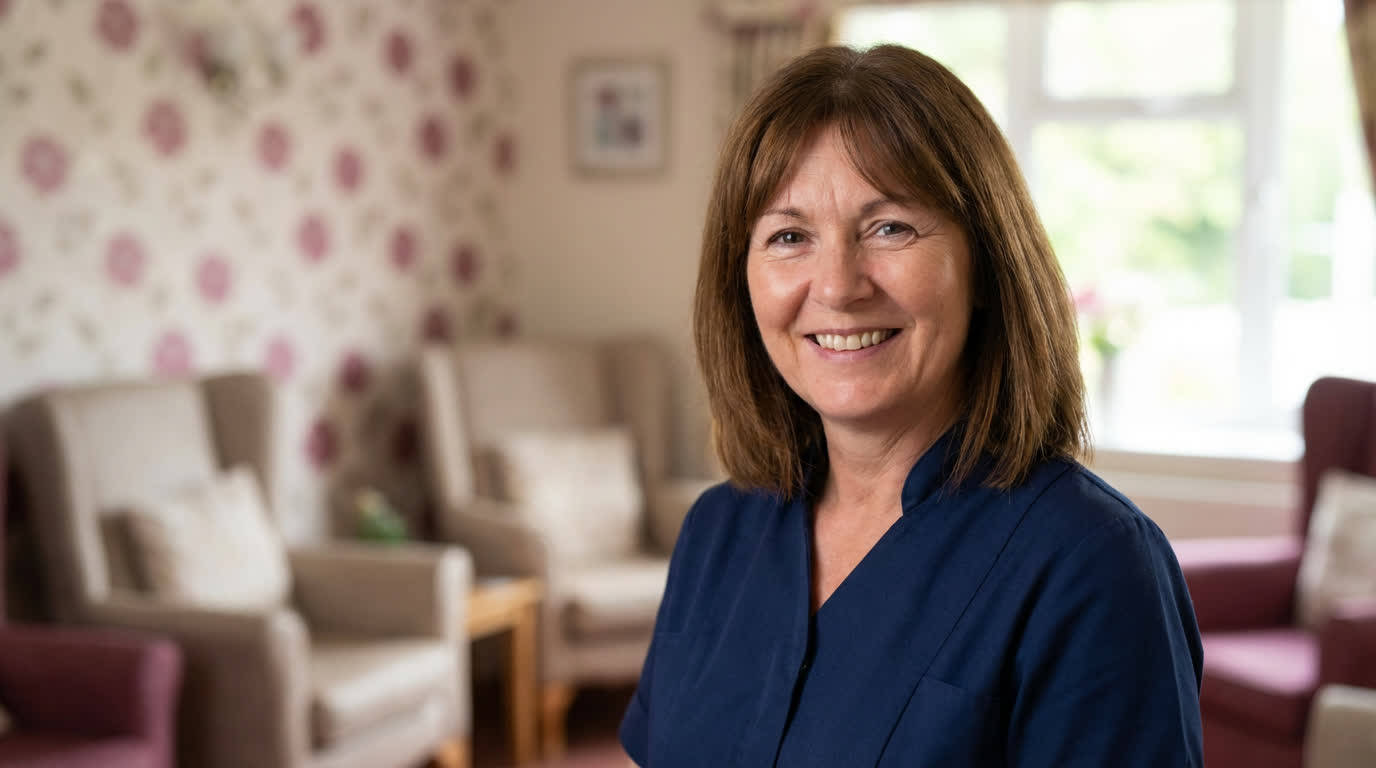
Colour can influence mood, behaviour, and even physical well-being. In health and social care, colour is often applied to help create supportive environments, assist in communication, guide daily routines, and support rehabilitation. Colour therapy, which is sometimes referred to as chromotherapy, uses colour and light to aid emotional and physical health. This practice is based on the idea that different colours can stimulate or calm the mind and body in specific ways.
In many care settings, the way colour is applied can affect patients, residents, and service users. Staff often use colour to make spaces feel welcoming, to reduce anxiety, or to help people respond better to care interventions.
What are the Principles of Colour Use?
When using colour in health and social care, the key aim is to match the colour to the intended effect on the person. This may be done by adjusting the environment, clothing, lighting, or therapy tools.
Colours are often associated with certain emotional or physical responses. While individuals may have unique associations based on their own experiences, there are general reactions that are widely recognised:
- Blue is linked to calmness and can help lower stress levels.
- Green can create feelings of balance and reassurance.
- Yellow is often associated with warmth and optimism.
- Red can stimulate energy and alertness.
- Purple can be linked to creativity and relaxation.
- White is connected to cleanliness and simplicity.
These links are used to shape therapeutic and care environments.
Colour Therapy Explained
Colour therapy involves using these associations in a targeted way to help improve health and well-being. It does not replace medical treatments but can work as a supportive method. It can be delivered through visual exposure to colours, coloured lights, or the use of coloured fabrics and objects.
In a treatment session, a therapist may select colours based on a person’s needs. For example, if someone feels fatigued, red and orange tones might be chosen to stimulate and energise. If they feel anxious, cooler tones like blue or green might be used to promote relaxation.
Examples of Colour Therapy in Practice
In health and social care settings, colour therapy can be applied in various ways. Some practical examples include:
- In a care home, painting dining areas in warm colours like soft yellow or peach to make mealtimes more inviting and encourage appetite.
- Using coloured lighting in sensory rooms for people with learning disabilities to create different moods and stimulate sensory responses.
- Providing blankets or cushions in calming colours for patients who feel anxious during treatment.
- Choosing room colours that suit the needs of residents with dementia, such as contrasting colours on doors and furniture to help with orientation.
- During physiotherapy, using brightly coloured equipment to keep patients motivated and engaged.
Care professionals may adjust colour settings over time based on how an individual responds.
Colour in Dementia Care
Colour can be especially helpful for people living with dementia. Changes in perception can make it harder for someone to recognise objects, so colour contrast is often used to make items easier to see. A brightly coloured cup can stand out against a white tablecloth, reducing the risk of dehydration caused by visual confusion.
Different colours can also help with wayfinding. For example, each corridor in a care facility can have its own distinct colour so that residents know which area leads to their rooms. Bathrooms may have contrasting toilet seats to make them easier to identify.
These simple applications can reduce frustration and increase independence for residents.
Using Colour for Emotional Well-being
Colour choices can influence emotional responses. Calm colours, such as pastel blues and greens, can help reduce anxiety in medical waiting rooms. Warmer shades in activity areas can create a more energised atmosphere and encourage social engagement.
Colour therapy can also be used in group activities. For example, art sessions in which participants use specific colour palettes can help them focus on certain emotions or states of mind. A session focusing on blues might bring feelings of calm, while a session with reds and oranges could help stimulate energy.
Colour in Palliative Care
In palliative care settings, creating a comfortable and soothing atmosphere is very important. Soft lighting and gentle colours can help create a peaceful space for patients and their families. Some facilities use nature-inspired colour schemes, such as greens and browns, in private rooms to make the environment feel more relaxing.
Blankets, curtains, and artwork are chosen carefully to match the desired emotional effect. For example, images with calming blue tones may be placed where patients can see them as they rest.
Using Colour in Child Health and Care
Children respond strongly to colour. In paediatric wards, bright and cheerful colours can help reduce fear and create a friendlier atmosphere. Colour therapy can be incorporated through play, using coloured toys to encourage movement and motor skills.
Children who are anxious about medical procedures may be given colour-focused activities, such as colouring with specific shades, to distract them and create a sense of control. Colour can also help with learning and development in children with special educational needs, often by using clear visual contrasts to support communication.
Ways to Integrate Colour into Care Environments
Colour can be integrated into care settings in several ways:
- Choosing wall and floor colours to suit different types of rooms.
- Using coloured lighting to change the atmosphere according to the activity or mood desired.
- Including colour-themed days in activity programmes, where staff and residents wear certain colours and the decorations match.
- Creating sensory spaces with different coloured zones for therapy and relaxation.
- Adding coloured fabrics, furniture, and artwork that align with therapeutic goals.
These methods can be planned with input from staff, patients, and residents to make sure the colours are both appealing and useful.
Cautions in Colour Therapy
Although colour can be helpful, careful choice is needed. Some people may find certain colours unpleasant or distracting. Strong reds, for example, can sometimes cause agitation in people who are already stressed. Bright whites might feel too sterile or cold in some settings.
Colour therapy should be used alongside other care strategies. For people with conditions that affect their vision, colour contrast can be more useful than simply selecting a “calm” colour. Observation and feedback are important to see how each person responds.
The Role of Lighting
Lighting changes how colour is perceived. Natural light helps colours appear true, but artificial lighting can alter tones. In therapy rooms, lighting can be adjusted to match the desired mood. Cool-toned lighting can work with blue and green colours to create a calm atmosphere. Warm-toned lighting brings out reds and yellows more strongly, which can create a sense of energy.
Light boxes with interchangeable colour filters are often used in colour therapy sessions, allowing the therapist to switch between shades quickly.
Combining Colour with Other Therapies
Colour therapy can be combined with aromatherapy, music therapy, and relaxation exercises to increase its benefits. For example, pairing calming blue tones with gentle music and lavender scent can boost relaxation effects. Pairing energising colours such as orange with upbeat music and engaging activities can stimulate movement and social interaction.
This combination approach can make therapy sessions more immersive and effective for both emotional and physical health goals.
Training Staff to Use Colour Effectively
Staff working in health and social care can benefit from learning how colour affects mood and behaviour. Training can include information about:
- The psychological impact of different colours.
- How to adjust colour in rooms, clothing, and materials.
- How to monitor responses and adapt colour use to individual needs.
Through observation and conversation with service users, staff can fine-tune the use of colour to suit the specific needs of each person.
Monitoring and Adjusting Colour Use
Colour interventions work best when they are monitored over time. Staff can watch for changes in mood, participation, or behaviour linked to colour changes. Feedback from service users is an important part of this process. Colours can be refreshed, rotated, or replaced to keep environments stimulating and supportive.
Seasonal changes can also be reflected in colour choices, such as warmer colours in winter and cooler tones in summer, to align with natural patterns and feelings.
Final Thoughts
Colour is a simple but powerful tool in health and social care. By understanding how different shades affect mood and behaviour, professionals can create spaces and therapies that support healing, comfort, and engagement. Whether through wall colours, lighting, fabrics, or structured colour therapy sessions, careful use of colour can make environments more supportive for those receiving care. It is a flexible approach that can be adapted to individual needs, bringing real benefits to emotional and physical well-being when applied with thought and attention.
Subscribe to Newsletter
Get the latest news and updates from Care Learning and be first to know about our free courses when they launch.


