
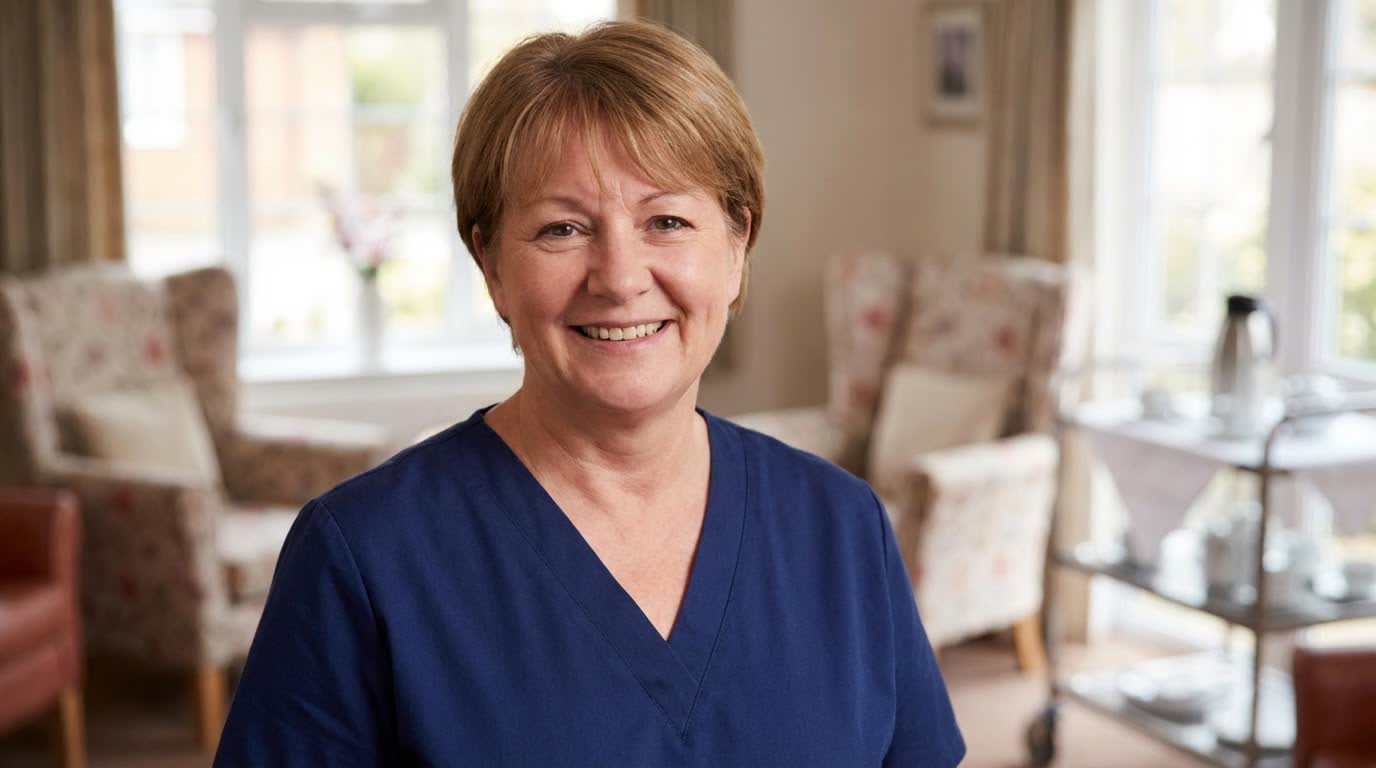
Becoming a self-employed carer can be a rewarding way to provide support directly to individuals who need assistance with daily living, personal care, or companionship.
When you work for yourself rather than through an agency or employer, you have more control over the people you work with, the hours you keep, and the approaches you use. At the same time, being self-employed means taking full responsibility for all aspects of your work, from building relationships with clients to managing business administration and ensuring that you follow the right regulations.
This guide on how to become a self-employed carer covers what you need to do, think about, and organise to start working independently as a carer.
What is the Role of a Self-Employed Carer?
A carer is someone who supports individuals who need help due to physical disabilities, mental health conditions, illness, or age-related difficulties. This support may involve personal care such as washing, dressing, and helping a person to move around, as well as household tasks like cleaning, cooking, and shopping. Self-employed carers may also provide emotional support, companionship, and help with attending appointments or social activities.
Working independently means you are not employed by a care agency. Instead, you find your own clients, agree your own fees and working arrangements, and manage all aspects of your work as a small business. The flexibility can be appealing, but you carry the responsibility for what you offer, the quality of service, and keeping accurate records.
What Skills and Qualities Do You Need?
Meeting the needs of clients effectively depends on having the right personal qualities and abilities. While training can teach practical skills, some traits are more about your attitude and approach.
Key skills include:
- Good communication and listening
- Patience and understanding
- Ability to follow care plans
- Basic household and cooking skills
- Maintaining confidentiality
- Time management and organisation
Key qualities include compassion, reliability, and the ability to stay calm under pressure. Physical fitness helps for tasks that require lifting or moving clients.
Do I Need Qualifications and Training?
There is no single qualification you must have to work as a self-employed carer, but training makes you more reliable and could help attract clients. Many carers gain Level 2 or Level 3 Diplomas in Health and Social Care. These can be studied at colleges or online learning providers. Short courses in first aid, manual handling, food hygiene, and safeguarding are also valuable.
Specialised care training may be useful if you aim to work with specific groups of people, such as individuals with dementia, learning disabilities, or terminal illnesses. Being able to show proof of relevant training reassures potential clients.
Setting Up as Self-Employed
To start working for yourself, you need to register as self-employed with the tax authority. This means you operate as a sole trader, keeping track of your income and outgoings, and filing a tax return each year. You will need to pay tax and possibly National Insurance contributions based on your earnings.
It is sensible to open a separate bank account for your care work. Keeping business finances apart from personal spending makes it easier to track and manage money. You should keep records of all payments you receive and every expense you incur, such as training costs, equipment purchases, or travel for work.
Carer Insurance
Self-employed carers should have public liability insurance. This protects you financially if something goes wrong in your work that causes harm or loss to a client or their property. If you provide physical support, such as lifting or moving clients, it is sensible to seek cover that takes this into account. You can buy self-employed carer insurance through various specialist providers.
How to Find Clients
Without an agency providing work, you will need to find clients yourself. Good ways to do this include:
- Word of mouth through friends, family, and existing contacts
- Advertising in local community centres, shops, or newspapers
- Creating a simple website or social media page
- Networking with local health services, support groups, and charities
Local events such as coffee mornings or wellbeing fairs can be an opportunity to meet people who might need care services or who can recommend you.
Setting Your Rates
Rates vary depending on location, the complexity of care provided, and your level of experience. Research what other independent carers charge in your area. Some carers charge per hour, while others agree a daily rate for longer visits. Always confirm pay details with clients in writing before starting work. Explaining clearly what is included in your rate helps prevent misunderstandings.
Writing a Care Agreement
It is sensible to create a simple written agreement with each client. This should outline:
- Services you will provide
- Hours and days you will work
- Payment rates and schedule
- Any specific conditions or restrictions
- How changes or cancellations will be handled
This agreement protects both you and the client. It makes expectations clear from the start and helps prevent disputes.
Managing Your Schedule
As a self-employed carer you control your own timetable, but you must balance meeting clients’ needs with maintaining your own health and free time. Keeping an accurate diary of visits and appointments reduces the risk of double-booking or missing a shift. Digital calendars can be useful, but a paper diary works well too.
Regularly reviewing your schedule will help you spot patterns, such as certain days becoming overloaded, and allow you to make adjustments.
Meeting Legal and Regulatory Requirements
Self-employed carers must meet legal standards relating to care work. Common requirements include:
- Carrying out safeguarding training to recognise and act on concerns about abuse or neglect
- Following health and safety guidance, especially when working in someone’s home
- Maintaining confidentiality about all personal information you learn through your work
If you will be working with vulnerable adults or children, you will usually need a Disclosure and Barring Service (DBS) check. This confirms your criminal record status and reassures clients.
Equipment and Supplies
You may need certain items to carry out your work effectively. Examples include disposable gloves, aprons, and basic first aid supplies. If you are assisting with moving clients, equipment such as slide sheets or mobile hoists might be in use at their home. Make sure you have training for specialised equipment before using it.
You might also want to carry simple tools such as a notebook for recording visits, pens, and a mobile phone for contact.
Keeping Good Records
Accurate records help you track your work and protect you professionally. Keep notes of each visit, outlining what you did, any changes in the client’s condition, and any concerns. These records can be handwritten or digital, but should be kept securely. They support good communication and act as evidence for client care if needed later.
You will also need to keep financial records for tax purposes. Store receipts and invoices in an organised way so you can easily prepare your tax return.
Maintaining Professional Standards
Clients expect a high level of professionalism from their carer. This includes arriving on time, dressing appropriately, and treating everyone with respect. Reliability builds trust and can lead to more referrals. Be clear in your communication so clients know exactly what to expect.
Listening carefully to clients and being willing to adapt how you work (within agreed plans and without breaching safety) can make a big difference to their quality of life.
Building Your Reputation
Your reputation will grow through the quality of service you provide. Simple touches such as being friendly, showing genuine interest in clients’ wellbeing, and following through on promises can help you stand out. Encourage satisfied clients to share your details with others. Local community pages often allow recommendations and reviews.
You can also join professional care networks or online forums to connect with other carers. This can provide informal support and new ideas for offering services.
Financial Planning
As a self-employed worker, you must plan for periods when you may have fewer clients or need time off. Saving a portion of your income for such times helps keep you secure. You should also think ahead for expenses such as training, insurance renewals, and replacing equipment.
Some carers create a simple spreadsheet to track income and spending month by month. This helps spot trends and plan for busy or quiet periods.
Self-Care
Caring can be physically and emotionally demanding. Pay attention to your own health by eating well, sleeping enough, and setting clear boundaries around work hours. Taking regular breaks during the day helps you give your best service to clients. It is helpful to have someone you can talk to about challenges, whether a friend, fellow carer, or support group.
Final Thoughts
Working as a self-employed carer offers independence and the chance to build close, meaningful relationships with the people you support. It requires thought, organisation, and commitment.
Investing time in learning good practice, setting clear agreements, and managing your own wellbeing will help you give the best care possible while running a successful small business.
The more effort you put into building trust and maintaining high standards, the more clients will value and recommend your services.
Subscribe to Newsletter
Get the latest news and updates from Care Learning and be first to know about our free courses when they launch.


