
Social inclusion is a core principle of good health and social care. Feeling included, valued, and able to participate in everyday life supports wellbeing, independence, dignity, and quality of life. In contrast, social exclusion can increase inequality, isolation, and poor health outcomes.
This free social inclusion online course provides a clear and practical introduction to social inclusion in health and social care settings. It explores what social inclusion and exclusion mean, why inclusion matters, and how care workers can actively support inclusive practice in their day-to-day roles.
Why Take This eLearning Course?
Many people who use health and social care services are at increased risk of social exclusion due to factors such as disability, age, illness, poverty, or discrimination. Health and social care workers have a key role in reducing barriers and promoting inclusion.
This free course will help you to:
- Understand social inclusion and exclusion: Learn what these terms mean and how they affect people’s lives.
- Recognise inequality and exclusion: Identify causes and effects of exclusion in health and social care settings.
- Promote equality and human rights: Understand how equality, diversity, and rights support inclusive care.
- Apply inclusive practice: Use reasonable adjustments and inclusive communication to support participation.
- Support community involvement: Help individuals maintain social connections and meaningful relationships.
- Work professionally: Understand your responsibilities in challenging exclusion and promoting inclusion safely and respectfully.
Learning Outcomes
By the end of this course, you will be able to:
- Define social inclusion, social exclusion, and inequality.
- Explain why social inclusion is important in health and social care.
- Identify groups commonly at risk of social exclusion in the UK.
- Describe common causes and effects of social exclusion.
- Recognise how exclusion affects health, wellbeing, dignity, and independence.
- Understand equality, diversity, discrimination, and human rights in relation to inclusion.
- Apply inclusive values and attitudes in care practice.
- Identify reasonable adjustments that support inclusion.
- Use inclusive communication and accessible information.
- Support community participation and social connections.
- Explain the role of health and social care workers in promoting inclusion and challenging exclusion.
Social Inclusion Training Course Outline
Module 1: Social Inclusion and Social Exclusion
This module introduces the concepts of social inclusion, social exclusion, and inequality. Learners will explore why social inclusion matters in health and social care and how exclusion affects health, wellbeing, and independence. The module also highlights groups in the UK that are commonly at risk of social exclusion.
Module 2: Causes and Effects of Social Exclusion
Learners will examine the main causes of social exclusion, including poverty, disability, age, communication barriers, and discrimination. This module explores the effects of exclusion on physical and mental health, access to services, and everyday life, with practical examples from health and social care settings. Links between inclusion, dignity, and quality of life are also covered.
Module 3: Equality, Diversity, and Human Rights Related to Inclusion
This module focuses on equality, diversity, discrimination, and human rights. Learners will explore key UK principles that support inclusion, how stigma and prejudice can lead to exclusion, and the inclusive values and attitudes expected of care workers. Understanding these principles supports fair and respectful practice.
Module 4: Inclusive Practice and Reasonable Adjustments
Learners will explore what inclusive practice looks like in health and social care. This module covers ways to support inclusion through choice, participation, and independence, alongside examples of reasonable adjustments. Inclusive communication methods and the importance of accessible information are also discussed.
Module 5: Community and Social Participation
This module highlights the importance of community involvement and social connections. Learners will examine how services can support people to stay connected, how exclusion can lead to isolation and loneliness, and practical examples of supporting meaningful participation in community life.
Module 6: The Role of Health and Social Care Workers in Inclusion
The final module focuses on the responsibilities of health and social care workers in promoting social inclusion. Learners will explore common barriers to inclusion within care environments, how to challenge exclusion appropriately, and the value of partnership working with families, communities, and other services.
Target Audience
This course is suitable for:
- Care assistants and support workers.
- Health and social care professionals in residential, community, or domiciliary settings.
- Staff supporting older adults, people with disabilities, or long-term conditions.
- Team leaders, supervisors, and managers.
- Learners new to health and social care roles.
No previous knowledge of social inclusion is required.
FAQ
Is this course relevant to UK health and social care?
Yes. The content reflects UK legislation, equality principles, and best practice in care settings.
Is the course practical?
Yes. It focuses on real-life examples and actions care workers can take to promote inclusion.
How long does the course take?
The course is self-paced and typically takes 1 hour to complete.
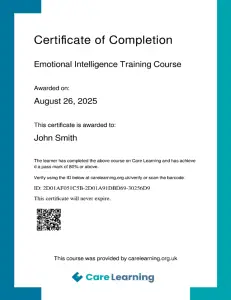
Will I receive a certificate?
Yes. A certificate is provided upon successful completion.
Is this course CPD accredited?
Courses are not currently CPD accredited, but accreditation is planned.
Promoting social inclusion helps people feel respected, connected, and empowered. By completing this course, you will strengthen your ability to support inclusive, person-centred care and challenge exclusion in a safe and professional way.
Enrol now to build your confidence in promoting social inclusion in health and social care.
Social Inclusion Training Course CPD Accredited and Government Funding
We’re working on getting this Social Inclusion Training Course CPD accredited, and any course that’s approved will be clearly labelled as CPD accredited on the site. Not every health and social care course has to be accredited to help you meet CQC expectations – what matters is that staff are competent, confident and properly trained for their roles under Regulation 18. Our courses are built to support those requirements, and because they’re not government funded there are no eligibility checks or ID needed – you can enrol and start learning straight away.