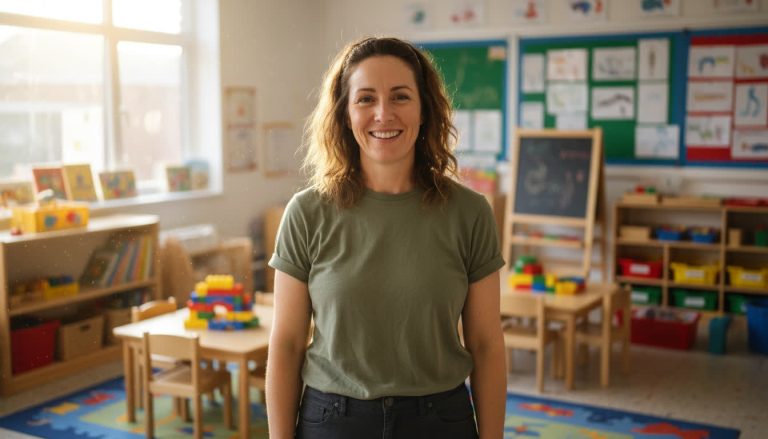
The terms “preschool” and “nursery” are often used interchangeably in everyday speech, yet they refer to slightly different types of early childhood education and care. While both serve young children before they move on to formal schooling, they differ in their purpose, structure, and approach. Knowing these differences can help parents make informed decisions about which setting may suit their child best.

What is Preschool?
Preschool is an early education setting aimed at children who are approaching school age, typically from around two and a half or three years old up until they start formal schooling. It focuses on developing the skills and behaviours that will help children adjust to a school environment. Sessions are usually part-time, and activities are structured around learning goals for speech, language, communication, physical development, literacy, and maths. Play remains central, but activities are planned to encourage curiosity and the ability to work alongside peers. Many preschools operate during school terms and mimic aspects of the classroom, such as group story time and designated learning areas.
What is Nursery?
Nursery is a childcare setting catering for a broad age range, from babies a few months old to children nearly ready for school. It provides daily care, routines, and play opportunities tailored to different developmental stages. Rooms are often split by age so activities and environments suit the needs of babies, toddlers, and older children. Nurseries can offer full-day care, opening early in the morning until late in the evening, and many run throughout the year. While play and learning are part of daily routines, the setting balances educational activities with personal care needs such as feeding, napping, and changing, especially for younger children.
Nursery vs Preschool
| Aspect | Nursery | Preschool |
|---|---|---|
| Age Range | From a few months old up to school starting age | Usually from 2½ to 3 years old until school entry |
| Main Purpose | Full-day childcare with play-based learning | School readiness through structured learning |
| Opening Hours | Longer hours, often year-round | Shorter sessions, usually term-time |
| Attendance Pattern | Full-time or part-time | Mostly part-time, a few sessions per week |
| Staffing | Childcare-qualified staff for a mix of ages | Staff trained in early years teaching |
| Activities | Care routines plus varied play suited for all ages | Structured play aimed at developmental milestones |
| Environment | Separate rooms for age groups with varied resources | Class-like setting with learning stations |
| Parental Involvement | Flexible visits and basic updates | Active involvement and detailed progress feedback |
| Costs | Higher for full-time; funding may reduce fees | Often lower cost for part-time; accepts funded places |
| Social Interaction | Mixed-age play and learning | Same-age interaction for school preparation |
What is the Age Range?
Nursery settings usually cater for a much broader age range than preschools. A nursery can take children from as young as a few months old right up until they start formal school, often at age four or five. This means nurseries offer care for babies, toddlers, and preschool-aged children.
Preschools, on the other hand, generally focus on children from about three years old until school entry, with some starting at two and a half depending on local arrangements. The emphasis in preschools is more on preparing children for school, rather than providing full-time care for infants.
Purpose and Focus
Nurseries primarily provide day care. The focus is on meeting the child’s basic care needs—feeding, changing, sleeping—alongside play and early learning activities. For babies and younger toddlers, the care aspect is the main priority, with learning introduced through sensory exploration and play as they grow.
Preschool settings place greater emphasis on structured learning through play. Their aim is to prepare children socially, emotionally, and cognitively for the transition into formal school. This includes developing skills such as turn-taking, listening, language development, early maths, and basic literacy. In a preschool, activities are often planned to match developmental goals.
Hours and Attendance Patterns
Nurseries often provide longer opening hours designed to suit working parents who need full-day childcare. Many nurseries open from early morning until evening, and some operate year-round.
Preschools tend to run shorter sessions, most commonly in the morning or afternoon, with some offering extended hours. Many run during term time, aligning with school calendars rather than being open all year. Attendance is often part-time, perhaps a few sessions per week.
Staffing and Qualifications
In nurseries, staff usually hold childcare qualifications, with managers and room leaders often trained to higher levels. Staff-to-child ratios are set by regulations and vary according to age group. Younger children require higher ratios of adults to children.
Preschools are often led by staff with qualifications in early years teaching. There can be a stronger emphasis on early education training, given their focus on school readiness. Ratios also follow legal requirements but may differ according to age.
Activities and Curriculum
Nurseries offer a wide range of play-based activities suited to mixed age groups. Examples include sensory play, arts and crafts, outdoor play, story times, and role play. Activities often adapt to each child’s stage of development.
Preschools follow an early years curriculum aimed to prepare children for school. Sessions include more structured activities, such as group story time, phonics games, number work, creative activities, and outdoor learning. Play remains central, but the planning links closely to developmental milestones.
Environment and Setting
Nurseries sometimes have separate rooms or areas for different age groups, allowing babies, toddlers, and preschool-aged children to have spaces suited to their needs. Baby rooms have soft flooring, cots, and age-appropriate toys, while older age rooms have tables, role-play areas, and more challenging equipment.
Preschool classrooms are usually set up to resemble an early primary classroom with learning stations or zones. Materials and resources are selected to encourage skills needed for school, such as mark-making for writing, table activities for concentration, and small group interaction.
Parental Involvement
Nurseries keep parents informed through handovers at drop-off and pick-up, as well as written updates or online communication tools. Parents can often visit at flexible times and may be invited to events, but nurseries typically aim to fit around the parents’ working routines.
Preschools often encourage more active parental involvement in their child’s learning. This might include helping at sessions, joining in events, or contributing to topic work. Parents may receive more detailed feedback on developmental progress with an eye to the transition to school.
Funding and Costs
Many nurseries are privately run and charge fees for the hours attended. Costs can be higher for full-time care, but funding schemes for free childcare hours may apply depending on circumstances and the child’s age.
Preschools are sometimes attached to primary schools or run by community groups. They may be less expensive for shorter hours and often accept funded childcare places for eligible children. The part-time nature of preschools often means lower overall costs than a full-day nursery.
Social Interaction
In nurseries, children interact with peers across a wide age range, though activities are usually grouped by developmental stage. Younger children benefit from observing older ones, while older children can develop nurturing behaviour around younger ones.
Preschools focus on interaction among children of similar ages. This helps develop age-appropriate social skills, cooperative play, and collective learning habits that support the move into a formal school environment.

Benefits of Nurseries
- Care for wide age range from babies to school starters
- Longer opening hours, often year-round
- Flexible attendance patterns to suit working parents
- Mixed-age interaction offers varied learning experiences
- Space and resources for different age stages
Benefits of Preschools
- Strong focus on school readiness and curriculum-based learning
- Age-specific activities for older toddlers and pre-schoolers
- Opportunities for more structured routines
- Encourages key social and learning behaviours needed for school
- Often lower cost for part-time sessions
Choosing Between Preschool and Nursery
When deciding, families need to think about their child’s age, developmental stage, the time of day they need care, and their personal preferences for learning environment. A younger child who still needs nap times and close physical care may be better suited to a nursery. An older toddler showing signs of readiness for more structured learning might thrive in a preschool setting.
Parents often visit both types of settings to compare facilities, staff, and the atmosphere. Observing how children engage in activities and how staff communicate can give a clearer picture of which setting feels right.
Final Thoughts
Preschool and nursery environments both offer valuable experiences for young children before they enter formal schooling. Nurseries focus on broad childcare for a range of ages, providing flexibility for families and meeting daily care needs alongside play. Preschools concentrate on preparing children for the transition to school through structured activities and age-specific learning goals.
Choosing between them depends on the child’s age, readiness for structured learning, and the family’s schedule and priorities. By weighing up the differences in focus, hours, staffing, and approach, families can select the environment that will best support their child’s development and happiness.
Subscribe to Newsletter
Get the latest news and updates from Care Learning and be first to know about our free courses when they launch.