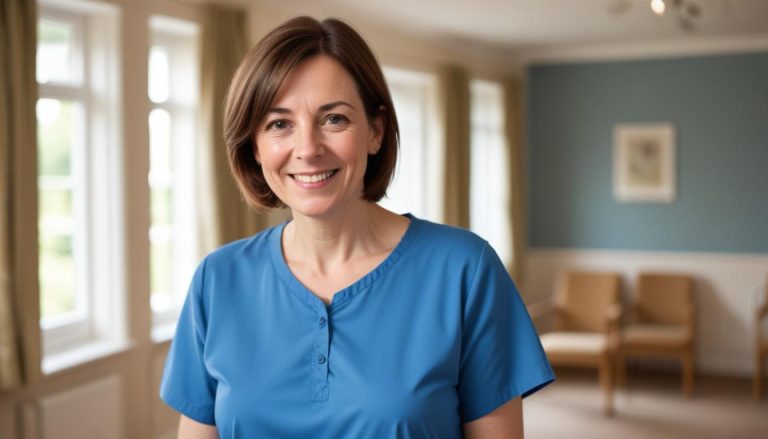

This guide will help you answer 2.5 Describe how own non-verbal communication skills can enhance the level of interaction.
Non-verbal communication means sending messages without speaking. Body language, facial expressions, touch, and other physical signals can all help others understand how we feel, what we mean, or what we want. Most of what we communicate in face-to-face interactions is non-verbal. This makes it a key skill for health and social care workers.
Your way of moving, eye contact, tone of voice, and gestures can all change how comfortable or safe a person feels with you. Being aware of your non-verbal messages can strengthen or weaken the relationships you build with people who need care, their families, and your colleagues.
Used well, non-verbal communication can support people when words are difficult due to illness, distress, learning disabilities, or language differences.
Parts of Non-Verbal Communication
Non-verbal communication covers many actions or behaviours, including:
- Facial expressions—smiling, frowning, raising eyebrows, etc.
- Gestures—such as nodding or shaking your head
- Posture—how you sit or stand
- Eye contact—looking directly or glancing away
- Physical touch—holding a hand or giving a pat on the arm
- Proximity—how close you sit or stand
- Tone of voice—volume, pitch, and how words sound
- Personal appearance—dress and grooming
Each of these sends important cues about your feelings, attitudes, and approach.
Facial Expressions
Your face can show many emotions and intentions without saying a single word. A warm, genuine smile encourages trust and puts people at ease. Raised eyebrows can show surprise or interest. Frowning or a tense jaw might signal that you are frustrated, stressed, or unhappy.
In care settings, someone who feels nervous or lonely may look for reassurance in your face. Expressions that match the situation show empathy and understanding. This encourages people to open up about their needs or worries.
If you look distracted, unhappy, or impatient, the person could pick up on this. They might feel like a burden, or hold back from sharing. That can interrupt trust and reduce the quality of care. Being aware of your facial expressions helps keep your communication positive and helpful.
Gestures
Simple movements like nodding, waving, or pointing can make your meaning clearer. Gestures can back up your words or stand alone when talking is not possible.
Nodding while someone speaks shows that you are listening and following what they say. Using open-handed gestures signals honesty and a welcoming attitude. Crossing your arms, on the other hand, can come across as defensive or unwilling to engage.
In some cultures, gestures can have different meanings. For instance, pointing with a finger might seem rude to some people. Being sensitive and adaptable makes your gestures more effective, especially with people from backgrounds different to your own.
Posture
Your posture—how you hold your body—shows how engaged and interested you are. Leaning slightly forward helps show that you want to listen, while slouching or turning away looks unfriendly or bored.
Standing or sitting level with the person helps remove barriers. It also makes the interaction respectful and less intimidating. If you tower over someone in a wheelchair, for example, you may appear dominant instead of caring.
Open posture, such as relaxed shoulders and uncrossed arms, creates a sense that you are approachable and accepting. Tense posture can suggest that you are anxious, busy, or not interested in the person.
Eye Contact
Looking at someone during a conversation shows that you are paying attention. It can create a feeling of connection and trust. Direct eye contact tells people that what they say matters.
Staring too intently, though, may feel uncomfortable or aggressive. Looking away too much might be seen as evasion or disinterest.
The right balance of eye contact depends on the individual, their culture, and the situation. With children, very shy people, or those from certain cultures, gentle and soft eye contact works better. With others, a confident but not overpowering gaze is best.
Physical Touch
Touch can offer comfort and reassurance if done appropriately. A gentle pat on the hand or arm can soothe someone in distress, signal support, and reduce feelings of isolation.
Not everyone is comfortable being touched. Some people may dislike or fear physical contact, or it may be against their cultural or personal beliefs. Always seek consent or check for permission before touching someone, unless it is an emergency or part of care that cannot be done another way.
Skilled use of touch shows care and respect for dignity. Mishandled, it can break trust or even cause harm. Being respectful and sensitive is key.
Proximity and Personal Space
How close you stand or sit sends strong messages. Respect for personal space shows that you recognise a person’s need for privacy and autonomy. Sitting too close can feel intrusive or threatening for some, while standing too far away can suggest disinterest or a lack of warmth.
Watching for cues—such as stepping back or leaning in—helps you judge the right amount of space. People in distress might want more closeness; those who are anxious may want more distance.
Tone of Voice
Tone is not what you say, but how you say it. Speaking softly, gently, and calmly helps people feel safe, valued, and listened to. A warm tone builds trust and shows your caring attitude.
Harsh, loud, or impatient tones can make people feel judged, afraid, or ignored. Sometimes pitch and rate change under stress. Being aware of this, you can work to keep your tone steady and encouraging, even in difficult situations.
Personal Appearance
Neat and appropriate clothing, good hygiene, and tidy grooming all show respect—for yourself and those you support. This builds confidence in your professionalism and care for others.
If you appear scruffy or unwashed, people may think you do not value your work or their needs. A clean, well-presented appearance reassures people and makes them feel safe in your care.
Adapting Non-Verbal Skills to Enhance Interaction
People receiving care often feel anxious, vulnerable, or isolated. Some may have difficulty with speech, memory, or understanding. Others might not share your language. In these situations, non-verbal communication takes on extra importance.
Adapting your non-verbal communication to each person’s abilities and needs can strengthen your relationship. Some ways to achieve this are:
- Using more gestures and facial expressions when words fail
- Adjusting eye contact for people uncomfortable with direct gaze
- Using reassuring touch with those who benefit from it
- Giving more personal space to anxious or distressed people
- Simplifying body language for those with learning disabilities
Thinking about each person’s preferences and cultural background helps prevent misunderstandings.
Non-Verbal Communication and Trust
Trust is central to good care. Non-verbal cues can make or break trust. Open, relaxed body language signals that you are safe, honest, and supportive. Contradictory or negative cues undermine confidence.
Matching your non-verbal signals to your spoken message creates consistency. If you say you are there to help but look bored, people will believe your body language far more than your words.
Listening, nodding, and open posture encourage people to share important details about their health or worries, which means you can offer better support.
Non-Verbal Communication with People Who Have Communication Needs
Not everyone can use or understand spoken language. For some, speech may be limited due to physical or mental conditions.
Non-verbal skills become even more important with:
- People with hearing loss—using gestures, facial expressions, and sign language
- People who have difficulty speaking—relying on pictures, visual cues, and touch
- People with dementia—offering calm presence, touch, and comforting facial expressions
Patience is key. People often need time to read body language and respond. Rushing, negative gestures, or pressured touching can upset or confuse them.
Non-Verbal Communication in Group Settings
When working in groups, such as with families, teams, or peer groups, your non-verbal behaviour influences the mood and flow of the group. Smiling, moving to include people, and using open gestures create a friendly space.
Interruptions, negative facial expressions, or ignoring group members through body positioning can stop people from participating. Being aware of the group dynamics helps you maintain welcoming and safe interactions.
Barriers to Effective Non-Verbal Communication
Some things can get in the way of good non-verbal communication. Being tired, distracted, or stressed can make you less attentive to your own body language.
Other barriers you may notice include:
- Cultural differences—with different expectations or interpretations of non-verbal signals
- Environmental issues—such as poor lighting or noisy surroundings
- Pain or illness—making eye contact or facial expressions harder
Recognising these barriers means you can act to reduce their impact.
Recording and Reflecting on Non-Verbal Communication
Reflecting on your own behaviour helps you improve. After interacting, ask yourself:
- Did my face and voice show interest and concern?
- Did my body language match my words?
- Was I respectful of the person’s space and comfort?
- Did I notice any signs that the other person was uncomfortable?
Seeking feedback from others, including colleagues or supervisors, can shine a light on habits you might not notice. Practice helps improve awareness and skill.
The Impact of Good Non-Verbal Communication
Using non-verbal skills well can:
- Increase trust and rapport with people receiving care
- Encourage sharing of important information
- Reduce distress, fear, and confusion
- Support people with communication difficulties
- Create a calm, respectful care environment
- Strengthen teamwork and cooperation
Small changes, such as a warm smile or a gentle gesture, can make a big difference to someone’s day.
Making Improvements
Improving your non-verbal communication means:
- Watching experienced workers and noting what works well
- Reflecting after each shift on your non-verbal interactions
- Seeking advice or training on aspects you find difficult
- Adapting your approach for each person and situation
- Keeping aware of your emotional state and how it affects your signals
Feedback from people who use services and their families can help you identify areas for growth. Building these skills over time increases confidence and effectiveness.
Final Thoughts
Non-verbal communication is a powerful tool for health and social care workers. People may not always remember your exact words, but they will remember how you made them feel. Your facial expressions, gestures, posture, and tone of voice can help break down barriers, provide comfort, and encourage honest communication. By being thoughtful and attentive to your non-verbal signals, you enhance every interaction you have.
Improving your non-verbal skills is a continuous process. By staying aware and open to learning, you strengthen your ability to support people, build trust, and promote wellbeing. Your non-verbal communication can make a difference in the lives of those you care for every single day.
Subscribe to Newsletter
Get the latest news and updates from Care Learning and be first to know about our free courses when they launch.