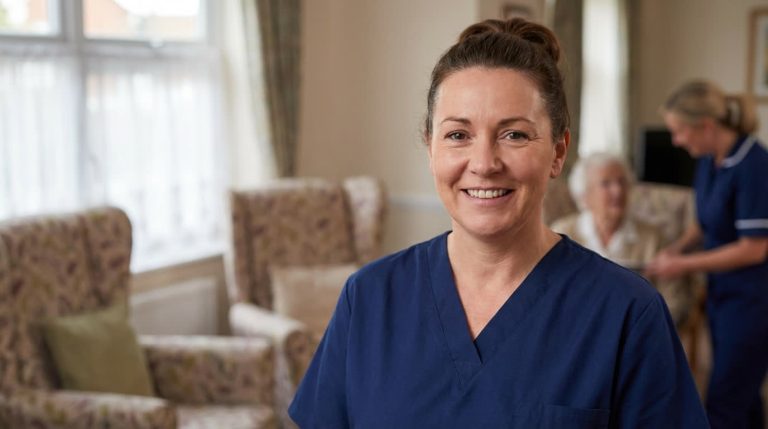
Allied health professions are a diverse group of healthcare roles that work alongside doctors, nurses and other medical staff to deliver care, treatment and support to patients. They play a major part in prevention, diagnosis, treatment and rehabilitation. Their skills and knowledge focus on improving patient health outcomes and helping people live as independently as possible. These professions bridge gaps between medical diagnoses and the everyday reality of living with illness, injury or disability.
People working in allied health often have direct contact with patients and their families. They apply specialist training to address physical, psychological, social and nutritional needs. Depending on the role, they may work in hospitals, clinics, community centres, schools, private practices or in people’s homes. Their contribution spans across a wide range of health services, making them an indispensable part of the healthcare workforce.
Range of Allied Health Professions
The term “allied health” covers many distinct professions. Each has a specific focus and set of duties. Some concentrate on physical recovery, while others focus on mental wellbeing or nutritional health. Common allied health professions include:
- Physiotherapists: Specialists who help restore movement and function after injury, illness or surgery. They use exercises, manual therapy and education to reduce pain and improve mobility.
- Occupational therapists: Professionals who help people carry out everyday activities, such as dressing, cooking and working, especially if the person has illness, injury or disability affecting their ability to function.
- Speech and language therapists: Experts who assess, diagnose and treat communication and swallowing problems in both children and adults.
- Dietitians: Professionals who advise on food and nutrition to support health and manage medical conditions such as diabetes or kidney disease.
- Radiographers: Specialists who operate imaging equipment like X-ray, MRI and CT scanners to help diagnose illness and injury.
- Podiatrists: Professionals who treat problems affecting the feet and lower limbs.
- Paramedics: First-response staff trained to provide emergency care and transport for patients in urgent need.
- Orthoptists: Experts in diagnosing and treating eye movement disorders and problems with visual development.
- Prosthetists and orthotists: Professionals who design, fit and monitor artificial limbs (prostheses) and supportive devices (orthoses).
- Art therapists and music therapists: Practitioners who use creative processes to support emotional and psychological wellbeing.
- Operating department practitioners: Staff who work in theatres to assist with anaesthesia, surgery and recovery.
- Clinical psychologists: Specialists in assessing and supporting people with mental health difficulties through therapy.
These roles vary widely in their methods and focus but share a commitment to helping patients identify goals, manage symptoms and improve quality of life.
Education and Training for Allied Health Professions
Allied health professionals typically undergo specialised education and training before qualifying to practise. This can involve degree-level studies, supervised clinical placements and ongoing professional development. The training prepares them for the technical elements of their work as well as for direct patient contact.
Courses often mix academic learning with practical skills. Students learn both theory and hands-on techniques, and they must demonstrate competence in safe and ethical practice. For example, physiotherapy students study anatomy, physiology, biomechanics and rehabilitation methods, while dietitians learn nutritional science and counselling techniques. All allied health roles require effective communication skills, empathy and the ability to work well with other healthcare staff.
After initial qualification, many allied health professionals take part in regular training sessions or advanced courses to maintain their skills. This may be to learn new methods, follow updated guidelines and continue meeting professional standards.
Areas of Activity
Allied health professions cover a range of activities that support patient health at different stages. These are often divided into specific areas of work such as prevention, diagnosis, intervention, rehabilitation and education.
Prevention involves helping individuals reduce the risk of developing certain conditions. Dietitians might run workshops on healthy eating, and physiotherapists may advise on exercises that prevent injury.
Diagnosis can include assessing symptoms, carrying out functional tests and, for some roles like radiographers, producing images that lead to medical diagnoses.
Intervention relates to active treatment, such as exercises provided by physiotherapists, therapy sessions run by speech and language therapists or fitting a prosthetic limb.
Rehabilitation focuses on restoring as much independence as possible after illness or injury. Occupational therapists, for example, provide strategies and equipment so patients can manage daily activities.
Education is an ongoing aspect of allied health work. This includes teaching patients, families and communities about managing health conditions, making lifestyle changes and using medical devices.
Working Across Settings
Allied health professionals work in varied environments depending on their speciality. Some work mainly in hospitals, either in wards, treatment rooms or operating theatres. Others work in community health settings, visiting patients in their homes or providing services through clinics and outreach programmes.
Schools are a common setting for speech and language therapists, occupational therapists and physiotherapists who support children with developmental or physical needs. Care homes often have physiotherapists and occupational therapists to improve residents’ mobility and independence.
Work in private practice is available to many allied health professionals, offering services to paying clients or through insurance schemes. This can range from physiotherapy treatment for sports injuries to dietetic advice for people managing chronic illnesses.
Teamwork and Collaboration
Allied health professionals rarely work alone. They collaborate with doctors, nurses, social workers and other healthcare staff to plan and deliver care. Each profession brings a unique perspective, and sharing knowledge helps create better treatment plans.
In a hospital ward, a physiotherapist may work with a nurse to encourage early mobilisation after surgery. A speech and language therapist may partner with a dietitian to help someone with swallowing difficulties choose safer foods. Operating department practitioners work directly with surgeons and anaesthetists during operations, coordinating tasks to maintain patient safety.
Collaboration also extends to the patient and their family. Allied health professionals often work together to provide advice and support tailored to the individual’s needs, helping to address concerns and agree on achievable goals.
Regulation and Professional Standards
Allied health professions are governed by regulatory bodies that set practice standards and handle registration. These organisations hold responsibility for ensuring professionals are qualified, maintain up-to-date knowledge and follow ethical codes.
Being registered means that the professional’s training and competence have been assessed. It confirms that they meet the required standards for safe practice. Regulatory bodies provide guidance, investigate complaints and take action if standards are not met.
Professional associations often support allied health professionals through training events, publications, peer networks and advice services. They also work to promote public awareness of the roles and benefits of these professions.
Benefits to Patient Care
Patients benefit from allied health services in many ways. These professions often provide care that is highly personalised to the patient’s condition, lifestyle and preferences. This can lead to:
- Faster recovery times after illness or injury
- Better management of chronic diseases
- Improved physical function and mobility
- More confidence in daily living
- Emotional support through creative or psychological therapies
- Reduced hospital stays through effective rehabilitation
- Increased ability to communicate or swallow safely
Such benefits contribute to improved quality of life for patients and can ease pressure on other parts of the healthcare system.
Challenges Faced by Allied Health Professions
Although their work is rewarding, allied health professionals face challenges. Services can be stretched if staffing is low or patient demand is high. Access to equipment or treatment facilities might be limited in certain settings.
Keeping skills updated requires time and commitment. Professionals must often fit in training while managing busy caseloads. Working with complex patient needs can be demanding both physically and emotionally, making self-care an important part of sustaining a long career.
There can also be public misunderstanding about what certain allied health roles involve. Education campaigns help raise awareness so that people understand the value of these professions.
Final Thoughts
Allied health professions provide wide-ranging expertise that supports patient care from prevention through to rehabilitation. They fill vital roles across hospitals, communities, schools and private settings. Their daily work blends technical skill, scientific knowledge and human compassion. The variety within the group means that almost every part of health and wellbeing can be addressed, from treating injuries to supporting communication and improving nutrition.
For patients, allied health professionals often represent the hands-on, practical side of healthcare, helping turn medical advice into real-life changes. By working closely with other healthcare staff, they ensure care is consistent, comprehensive and focused on the person as a whole. Their contribution continues to strengthen health services and improve lives, making them a fundamental part of healthcare delivery.
Subscribe to Newsletter
Get the latest news and updates from Care Learning and be first to know about our free courses when they launch.