
This guide will help you answer 2.2. Outline ways to help children to develop communication and language skills.
Children develop their communication and language skills through interactions with adults, peers and their environment. Communication skills help them express feelings, needs and ideas. Language skills give them the ability to understand and use words effectively. Both are key to their social, emotional and learning development.
Poor communication and language skills can affect a child’s confidence and ability to make friends. They can also struggle with learning because language is central to understanding instructions and concepts. Early support is important to help children gain these skills through everyday experiences.
Creating a Language Rich Environment
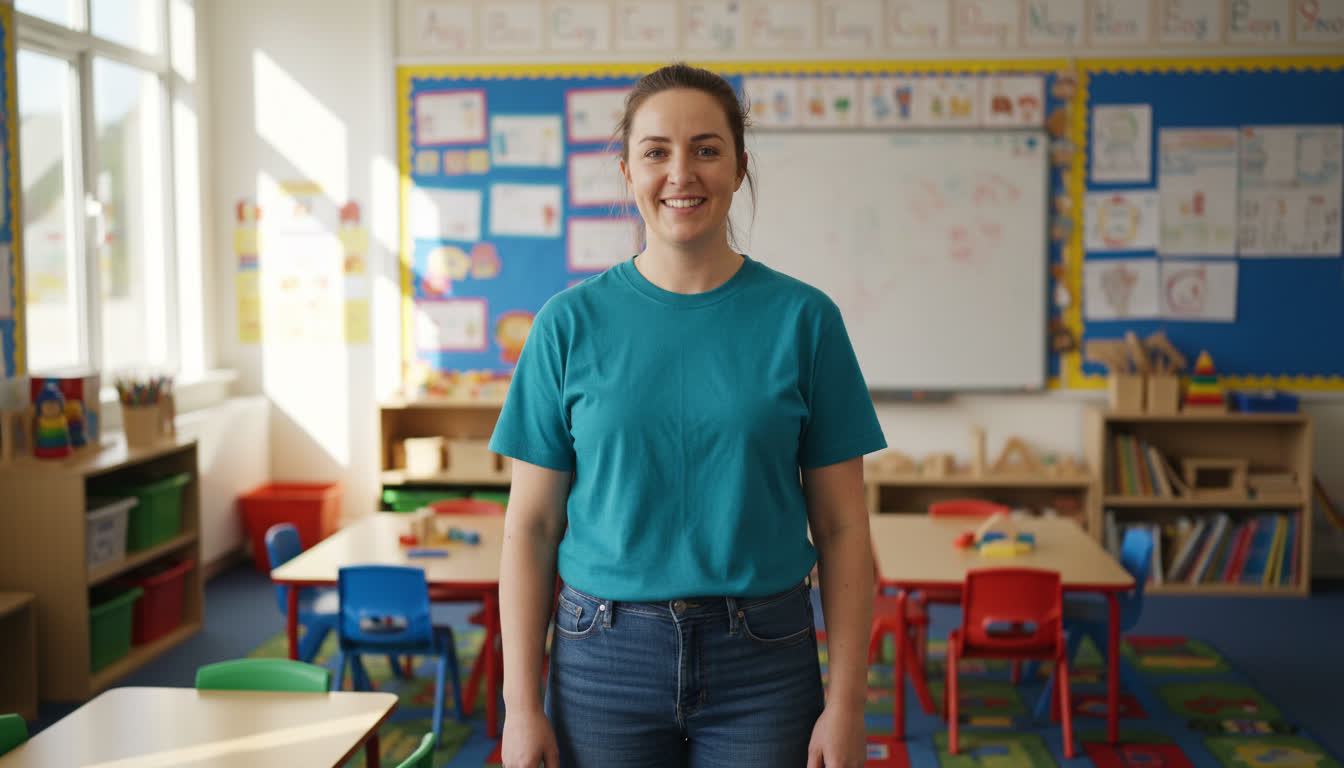
A language rich environment means children are surrounded by spoken words, conversation and meaningful communication opportunities. This helps them hear and use language in different situations.
Ways to create such an environment include:
- Talking to children during activities, describing actions and objects
- Displaying clear visual aids and labels to link words to objects
- Having a variety of books, story props and pictures available
- Providing role play areas where children can act out scenes
- Encouraging group times where discussion is central
When adults use clear and varied vocabulary, children hear new words in context. This helps them understand meaning and encourages them to try using those words themselves.
Using Play to Support Communication
Play is a natural way for children to develop speech and language. When adults join in and model language, it supports vocabulary growth and conversational skills.
Examples of play-based support:
- Role play in a pretend shop, café or home setting
- Small world play with dolls, cars or animal figures
- Building blocks together and talking about shapes, colours and sizes
- Outdoor play with sand, water or natural materials
During play, adults can ask open-ended questions. This encourages children to think and reply with more than one word. Play also gives chances for turn-taking, which is part of effective conversation.
Storytelling and Reading
Storytelling and reading provide rich opportunities for language learning. Children hear sentence structures, new vocabulary and expressive tones. They learn to follow a narrative and predict events.
Ways to use storytelling effectively:
- Read every day and make it interactive
- Use puppets or props to bring stories to life
- Ask children to describe pictures or guess what will happen next
- Encourage them to retell stories in their own words
Reading can be adapted for different ages. With younger children, focus on simple picture books with clear words. Older children can engage with more complex plots and characters.
Singing and Rhymes
Songs and rhymes introduce rhythm, repetition and sound patterns. These help children develop listening skills and awareness of phonics. They also make learning enjoyable.
Ways to use singing:
- Daily rhyme time sessions
- Action songs to link movement with words
- Encouraging children to make up new verses
- Singing in small groups for quieter, shy children
Songs can be themed to match learning topics. Repetition in rhymes helps children remember words and sounds.
Encouraging Turn-Taking in Conversations
Turn-taking teaches children how to respect others’ speaking time and listen carefully. It is a basic skill for effective communication.
Methods to teach turn-taking:
- Playing games that require waiting for turns
- Modelling turn-taking during group discussions
- Praising children when they wait and respond appropriately
- Using talking sticks or a visual cue to indicate whose turn it is
Turn-taking builds patience and social awareness, which supports good communication habits.
Using Positive Reinforcement
When children make an effort to speak, even if words are incorrect, positive reinforcement helps build confidence. Adults can acknowledge attempts and gently model correct language.
Examples:
- Praise for trying new words
- Smiling and showing interest in what they say
- Responding warmly to encourage further effort
Positive reinforcement creates a safe space where children feel comfortable experimenting with language.
Supporting Non-Verbal Communication
Non-verbal communication includes gestures, facial expressions and body language. These play a big role in understanding and expressing ideas. For some children, especially younger ones or those with speech delays, non-verbal cues may be the main form of communication.
Ways to support non-verbal skills:
- Using sign language or visual cards
- Encouraging pointing and gesturing to reinforce spoken words
- Teaching facial expressions for emotions
- Playing games like charades to practise body language
Non-verbal skills often develop alongside speech and should be encouraged as part of overall communication development.
Individual and Group Interactions
Children benefit from both one-to-one interactions and group discussions. Different settings offer different learning opportunities for communication.
One-to-one interactions allow more personal attention and targeted language support. Adults can adapt vocabulary and grammar to suit the child’s stage.
Group work encourages listening to others, contributing ideas and building confidence to speak in front of peers. It also gives children exposure to different speaking styles and cultural expressions.
Building Vocabulary
A wide vocabulary supports effective communication. Adults can help children increase their vocabulary through varied experiences.
Ways to help:
- Introducing new words in context
- Explaining meanings clearly
- Encouraging children to repeat and use new words in conversation
- Linking words to real objects and events
Using descriptive language rather than simple labels expands children’s ability to describe things in detail.
Encouraging Questions
Questioning is a key part of language development. It shows curiosity and builds conversational skills.
Adults can encourage questions by:
- Responding positively when children ask
- Giving time for them to think and form questions
- Modelling different types of questions for them to copy
- Using prompts to get them thinking about new topics
Questioning helps children learn how to gather information and engage in meaningful dialogue.
Providing Consistent Opportunities
Communication and language skills develop best when children have daily opportunities to practise. Adults should be consistent in creating these opportunities in varied settings.
This might include:
- Regular story and singing sessions
- Planned discussion times
- Group activities centered on cooperation
- Outdoor exploration with conversation about nature
The more varied and frequent the opportunities, the stronger the skills will become.
Supporting Children with Additional Needs
Some children may have speech and language delays, hearing impairments or other communication challenges. Support should be adapted to meet their needs.
Methods include:
- Using visual aids alongside speech
- Simplifying instructions and breaking tasks into steps
- Working closely with speech and language therapists
- Creating an environment that reduces background noise
Patience and consistency can make a big difference for children with additional needs.
Engaging Families
Families play a key role in supporting communication and language development. Adults working with children can guide families to use supportive strategies at home.
This can include:
- Sharing ideas for games and activities
- Encouraging regular reading together
- Suggesting use of songs and rhymes at home
- Advising on speaking clearly and listening attentively to the child
Family involvement strengthens learning because children practise skills in different settings.
Using Technology Appropriately
Technology can support language development if used carefully. Interactive stories, language apps and video calls with family members can offer extra opportunities for conversation and vocabulary building.
It is important to choose age-appropriate software and balance screen time with direct social interaction. Technology should be used to add to, not replace, real-life communication.
Observing and Monitoring Progress
Regular observation helps identify the stage of a child’s communication and language development. Workers can note how often the child initiates conversation, responds to others and uses new vocabulary.
Observations can guide planning for future activities and help spot any concerns early. Recording progress ensures that support strategies are effective.
Cultural Diversity in Communication
Language use and communication styles vary between cultures. Being aware of this helps adults respect different ways of speaking and interacting.
Children may use different words or speech patterns depending on their home language. Workers can support development by valuing these differences and linking them to English learning rather than replacing them.
Final Thoughts
Helping children develop communication and language skills is a daily process that needs active engagement from adults and peers. Small, consistent actions make a big impact over time. Every conversation, story, game and question is part of their learning.
Supporting these skills is not only about teaching words. It is about creating a space where children feel confident to express themselves, listen to others and explore ideas. With thoughtful guidance and varied opportunities, children can grow into effective communicators who are ready for learning and social life.