This online cultural capital course is designed for educators, health and social care workers, community practitioners, managers and other professionals who support learning, participation or progression. It explains how knowledge, behaviours, experiences, possessions and qualifications may be valued differently across social and institutional settings.
This free course examines the work of Pierre Bourdieu, including cultural capital, habitus, field, symbolic power and symbolic violence. It also considers attainment, inclusion, institutional recognition, community cultural wealth, intersectionality, research methods and practical ways to improve access without treating learners, families or communities as deficient.
Why Take This eLearning Course?
Understanding cultural capital can help professionals recognise how institutional expectations affect confidence, opportunity and participation. This course supports thoughtful, equitable practice by showing how to value existing strengths, identify barriers and make expectations more transparent.
This course will help you to:
- Understand how cultural capital differs from economic and social capital.
- Recognise cultural resources in education, employment and everyday life.
- Explore how institutions value some forms of knowledge and behaviour over others.
- Consider how previous experiences may influence confidence and participation.
- Identify barriers that can contribute to exclusion or unequal outcomes.
- Avoid deficit-based assumptions about learners, families and communities.
- Plan accessible learning, enrichment and participation opportunities.
- Recognise the value of multilingual, local, practical and community knowledge.
- Review how qualifications and credentials affect progression.
- Communicate cultural capital clearly and responsibly to colleagues.
Learning Outcomes
By the end of this course, you will be able to:
- Define cultural capital and distinguish it from economic and social capital.
- Describe embodied, objectified and institutionalised cultural capital.
- Explain habitus, field, symbolic power and symbolic violence.
- Identify examples of cultural capital in UK education, work and community life.
- Examine how institutional expectations may affect attainment and belonging.
- Evaluate inclusive and deficit-based approaches to cultural capital.
- Map cultural assets, recognition and barriers within a group or setting.
- Explain how cultural capital interacts with class, ethnicity, gender, disability and place.
- Describe common criticisms and limitations of cultural capital research.
- Recommend practical actions that widen access and value community cultural wealth.
Cultural Capital Course Outline
The course is organised into seven modules. It moves from the central concepts and theoretical foundations of cultural capital to its use in education, organisational practice, research and inclusive programme design.
Module 1: Understanding Cultural Capital and Its Forms
Learners will define cultural capital and distinguish it from economic resources and social connections. The module explains embodied, objectified and institutionalised forms, including language, knowledge, behaviour, cultural goods and recognised qualifications. Learners will also explore examples from everyday UK life, such as communication styles, cultural preferences, formal settings, community experiences and workplace or educational credentials. The module emphasises that cultural capital is not a measure of intelligence or personal worth and that its value depends on context and institutional recognition.
Module 2: Bourdieu, Habitus and Institutional Power
Learners will examine why Bourdieu developed the concept of cultural capital and how it can help explain the reproduction of advantage and disadvantage across generations. The module explores how family and community resources interact with institutional expectations, and how repeated recognition may influence confidence, attainment and progression. Learners will define habitus and consider how experience shapes preferences, expectations and what feels normal or achievable. They will also explore field, position, formal and informal rules, symbolic power and symbolic violence through accessible examples from education and employment.
Module 3: Cultural Capital, Education and Attainment
Learners will explore how schools and assessments may reward familiarity with particular language styles, knowledge and learned dispositions. The module considers examples commonly used in UK sociology teaching, including academic vocabulary, reading practices, museums, libraries, theatre, sport, travel and organised activities. It also recognises multilingualism, dialect, oral storytelling and community knowledge as valuable cultural resources. Learners will examine how assessment familiarity, classroom recognition, representation and belonging may affect educational experience while considering wider influences such as poverty, discrimination, disability, health and access to support.
Module 4: Cultural Capital in School and Organisational Practice
Learners will consider how cultural capital is discussed in relation to curriculum breadth, enrichment, school improvement and inclusive participation. The module examines the value of introducing learners to a wide range of knowledge, ideas, traditions and experiences through planned teaching rather than assuming prior access. It also addresses the risks of reducing cultural capital to a checklist of trips, books or activities, presenting dominant culture as inherently superior, overlooking access barriers or labelling families as culturally lacking. Learners will compare equitable approaches with deficit approaches and consider how to promote meaningful participation, recognition and belonging.
Module 5: Mapping Assets, Credentials and Intersecting Experiences
Learners will use a practical two-part approach to identify the knowledge, languages, interests, relationships, experiences, skills and qualifications already present within a class, workplace, cohort or community group. They will then review which resources are recognised, overlooked or misunderstood and identify barriers affecting access and progression. The module also examines institutionalised cultural capital through school qualifications, vocational awards, higher education, professional credentials and workplace certificates. Learners will consider how cultural capital interacts with class, ethnicity, gender, disability and place, while avoiding stereotypes and recognising intersecting experiences.
Module 6: Criticisms, Measurement and Developing Definitions
Learners will examine common analytical and ethical criticisms of cultural capital, including inconsistent definitions, narrow measurements and the risk of privileging dominant culture. The module explains how researchers use surveys, qualifications, participation indicators, interviews, observation and mixed methods to study cultural capital, as well as the limits of self-reported data and causal claims. Learners will also explore newer or extended forms of cultural capital, including digital, technical and subcultural resources. This module shows why definitions vary across social groups, institutions, occupational fields and historical periods.
Module 7: Inclusive and Ethical Application
Learners will identify practical actions that improve access without treating learners as problems to be corrected. The module covers defining clear outcomes, listening and co-designing, reviewing financial and accessibility barriers, widening opportunities, teaching unfamiliar conventions openly and evaluating participation. Learners will explore community cultural wealth by recognising multilingualism, local knowledge, relationships, practical expertise and community contributions. The module concludes with guidance on explaining cultural capital to colleagues and stakeholders through a clear definition, a relevant example and careful ethical framing.
Target Audience
This course is suitable for:
- Teachers, tutors, trainers and education support staff.
- Health and social care workers involved in learning or community support.
- Community development and voluntary-sector practitioners.
- Managers, team leaders and programme coordinators.
- Equality, diversity and inclusion professionals.
- Researchers and learners studying sociology, education or social inequality.
No previous specialist knowledge is required.
FAQ
Who is this cultural capital course suitable for?
The course is suitable for people working in education, health and social care, community services, voluntary organisations and other settings where access, learning, participation or progression are important. It is also relevant to learners studying sociology or social inequality.
Do I need any previous experience?
No previous knowledge of sociology or Bourdieu’s work is required. The course introduces each concept in plain language and uses practical examples from education, employment and community settings.
What will I learn on this course?
You will learn what cultural capital means, how it differs from economic and social capital, and how it relates to habitus, field and symbolic power. You will also explore institutional recognition, attainment, inclusion, credentials, research methods and community cultural wealth.
Will this course help with day-to-day practice?
Yes. The course provides a practical framework for recognising existing strengths, making expectations clearer, identifying participation barriers and reviewing whether programmes or activities offer fair and meaningful access.
Does the course cover practical skills?
The course includes practical approaches for mapping cultural resources, reviewing institutional recognition, identifying barriers, planning accessible opportunities and communicating the concept clearly to colleagues and stakeholders.
Does it cover relevant responsibilities or good practice?
Yes. The course promotes respectful, inclusive and ethical practice. It considers accessibility, representation, co-design, fair recognition, proportionate information gathering and the importance of avoiding stereotypes or deficit-based labels.
How long does the course take?
The course is self-paced and usually takes around 1 hour to complete.
Will I receive a certificate?
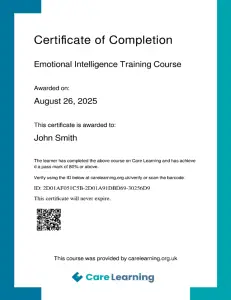
Yes. A certificate is issued after successful completion.
Understanding cultural capital can support more informed decisions about teaching, communication, participation and access. This course provides a balanced introduction to the concept while helping professionals apply it without overlooking structural inequality or the cultural resources already present within communities.
Enrol now to build your understanding of cultural capital.