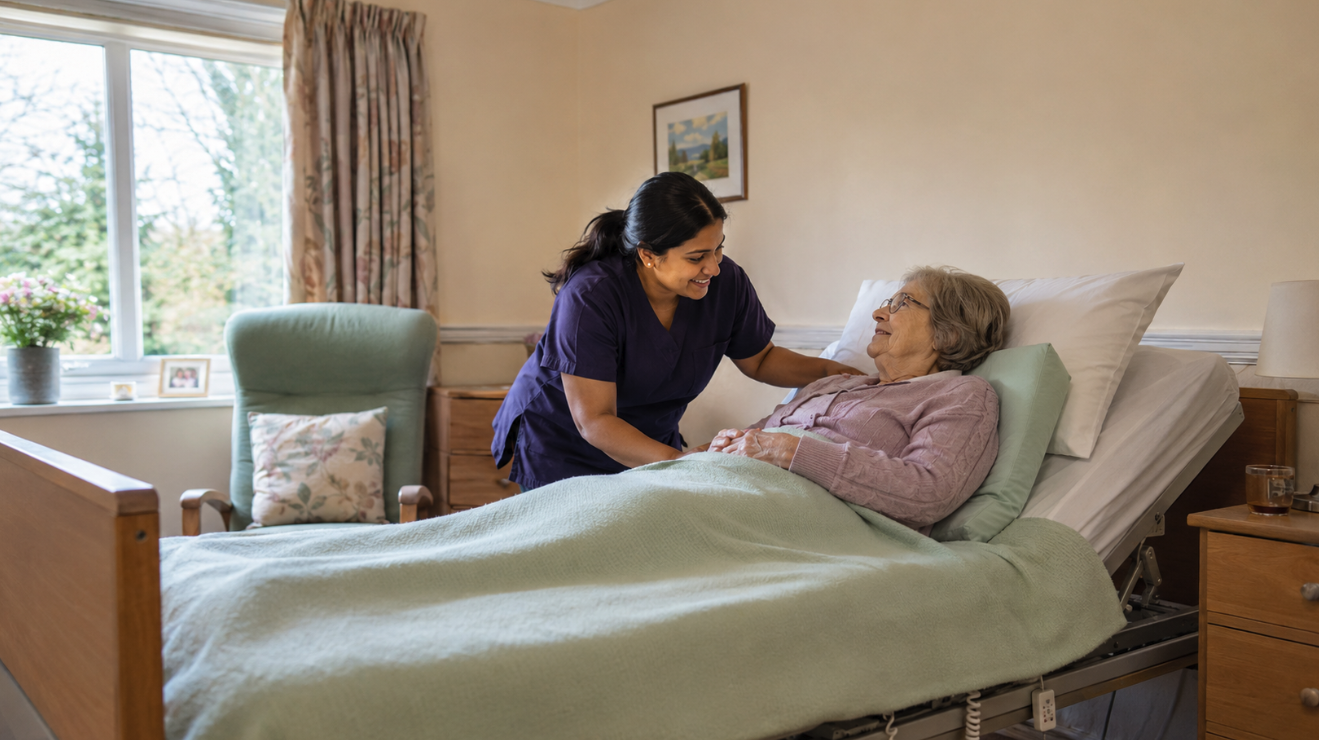
This Skin Integrity and Pressure Ulcer Prevention awareness course is designed for health and social care workers who support adults at risk of skin damage. It provides the awareness-level knowledge needed to protect healthy skin, recognise possible pressure damage and contribute to safe, person-centred preventive care.
This free course covers pressure ulcer risks and categories, routine skin observation, repositioning, pressure-relieving equipment, moisture management, nutrition, documentation and escalation. It also explains professional boundaries, multidisciplinary working, incident reporting, safeguarding considerations and accountability in England-focused care services.
Why Take This eLearning Course?
Maintaining skin integrity depends on consistent everyday care, early recognition and timely communication. This course supports workers to understand their responsibilities, follow individual care plans and respond appropriately when a person’s condition or level of risk changes.
This course will help you to:
- Recognise the factors that can increase the risk of pressure damage
- Observe vulnerable areas of skin more confidently
- Identify early changes across different skin tones
- Support safe and personalised repositioning
- Use pressure-relieving equipment as directed
- Reduce skin exposure to moisture, friction and shear
- Support nutrition and hydration plans appropriately
- Record skin observations and preventive care accurately
- Escalate concerns through the correct reporting route
- Work safely within awareness-level wound care boundaries
Learning Outcomes
By the end of this course, you will be able to:
- Define skin integrity and explain how pressure ulcers develop
- Identify common pressure ulcer sites and contributing risk factors
- Describe the four pressure ulcer categories at awareness level
- Distinguish between general features of pressure damage and moisture-associated skin damage
- Recognise early signs of pressure damage in a range of skin tones
- Explain the importance of repositioning and pressure redistribution
- Describe safe use and routine checks of pressure-relieving equipment
- Document skin observations, repositioning and escalation objectively
- Identify concerns requiring prompt clinical or managerial escalation
- Explain professional responsibilities, safeguarding considerations and care boundaries
Skin Integrity and Pressure Ulcer Prevention Course Outline
The course is organised into seven modules covering skin integrity awareness, risk assessment, prevention, equipment, reporting, professional working and organisational responsibilities.
Module 1: Understanding Skin Integrity and Pressure Damage
Learners will explore the meaning of healthy skin integrity and how sustained pressure, shear, friction and moisture can cause tissue damage. The module identifies common pressure ulcer sites, including bony prominences and areas beneath medical devices. It introduces the four pressure ulcer categories at awareness level and explains why categorisation must be completed by an appropriately trained professional. Learners will also compare the general features of pressure ulcers, moisture-associated skin damage and combined damage without attempting to make an independent diagnosis.
Module 2: Risk Assessment and Early Recognition
Learners will examine common risk factors, including limited mobility, incontinence, poor circulation, reduced sensation, fragile skin, inadequate nutrition, dehydration and cognitive impairment. The module explains how to observe for changes in colour, temperature, texture, swelling, pain and skin condition. Particular attention is given to recognising pressure damage in darker skin tones, where changes may not appear as bright redness. Learners will also understand how Waterlow and Braden scales support structured assessment while recognising that scores cannot replace observation, professional judgement or information provided by the person.
Module 3: Repositioning and Safe Movement
Learners will understand how repositioning relieves pressure, redistributes body weight and supports blood flow to vulnerable tissues. The module covers personalised repositioning schedules, the purpose of the 30-degree tilt and the importance of following the individual care plan. It also addresses consent, dignity, safe moving and handling techniques, positioning equipment and the protection of medical devices. Learners will understand how to complete accurate repositioning records, document refusals or difficulties and report when a planned movement cannot be completed safely.
Module 4: Equipment, Moisture, Nutrition and Hydration
Learners will explore common pressure-relieving and pressure-redistributing equipment, including specialist mattresses, cushions and heel-offloading devices. The module explains how to check positioning, condition, cleanliness and comfort while recognising that equipment does not replace skin observation or movement. Learners will also consider how prompt continence care, gentle cleansing, careful drying and suitable barrier products help protect the skin from moisture. The role of food and fluid intake in maintaining skin resilience and supporting tissue repair is also covered.
Module 5: Escalation, Documentation and Reporting
Learners will identify skin concerns that require prompt reporting, including persistent discolouration, non-blanching changes, unusual temperature or texture, swelling, pain, blisters, broken skin and possible signs of infection. The module explains who should be informed, how quickly concerns should be escalated and when urgent clinical or emergency support may be required. Learners will practise the principles of objective documentation, including recording the location, appearance, symptoms, actions and advice received. Incident reporting, clinical review and safeguarding procedures are also explained as related but distinct processes.
Module 6: Professional Boundaries and Coordinated Care
Learners will understand the awareness-level boundaries of a social care worker’s role in wound prevention and management. The module clarifies when workers may observe, prevent, record or follow authorised treatment instructions and why they must not independently diagnose or categorise wounds. It introduces professionals who may contribute to complex wound management, including nurses, general practitioners, tissue viability specialists, dietitians, occupational therapists, physiotherapists, podiatrists and specialist services. Learners will also consider how to follow professional advice, report practical barriers and maintain continuity through clear handovers and secure information sharing.
Module 7: Accountability, Learning and Person-Centred Practice
Learners will examine how the NHS England Never Events framework relates to pressure ulcers and why pressure ulcers should not automatically be described as Never Events. The module explains how avoidability and accountability are considered through evidence, individual circumstances, care planning, equipment, communication and actions taken. Common practice failures are explored, including missed recognition, delayed reporting, incomplete records, unsafe movement and poor equipment management. Learners will also understand how respectful communication, informed choice, documentation and timely professional review support person-centred care when prevention plans are declined or no longer working.
Target Audience
This course is suitable for:
- Care workers and support workers
- Residential and nursing home staff
- Domiciliary and home care workers
- Personal assistants supporting adults with care needs
- Senior carers, team leaders and care coordinators
- Volunteers or other workers involved in supporting vulnerable adults
No previous specialist knowledge is required.
FAQ
Who is this course suitable for?
This awareness course is suitable for health and social care workers who support adults who may be at risk of pressure damage. It is particularly relevant to staff involved in personal care, repositioning, continence support, nutrition, skin observation or care documentation. This course does not qualify you to carry out clinical or medical procedures.
Do I need any previous experience?
No previous specialist wound care experience is required. The course provides awareness-level knowledge and is suitable for new workers as well as experienced staff refreshing their understanding.
What will I learn on this skin integrity and pressure ulcer prevention course?
You will learn how pressure ulcers develop, which areas of the body are commonly affected and how to recognise early signs. You will also learn about repositioning, equipment, moisture management, nutrition, documentation, escalation and professional boundaries.
Will this course help with day-to-day care practice?
Yes. The course focuses on practical responsibilities such as following repositioning schedules, observing vulnerable skin, using allocated equipment correctly, recording care accurately and reporting concerns without delay.
Does the course cover practical skills?
The course explains the principles of safe repositioning, skin observation and equipment checks. Practical moving and handling techniques, wound treatment and clinical assessment must still be taught and assessed by an appropriately qualified person within the workplace.
Can social care workers categorise or diagnose a pressure ulcer?
Social care workers should observe, record and report suspected damage rather than independently diagnosing or categorising a wound. Formal assessment and categorisation should be completed by a trained and authorised professional.
Does the course cover incident reporting and safeguarding responsibilities?
Yes. The course explains how incident reporting, clinical assessment and safeguarding procedures may apply. It also clarifies that a pressure ulcer does not automatically prove neglect or meet the threshold for an external safeguarding referral.
How long does the course take?
The course is self-paced and usually takes around 1 hour to complete.
Will I receive a certificate?
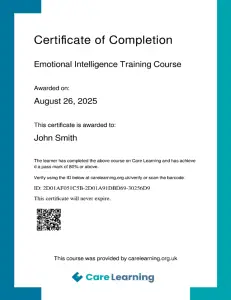
Yes. A certificate is issued after successful completion.
This course provides a clear foundation for protecting skin integrity and contributing to effective pressure ulcer prevention. It supports workers to recognise changes early, follow agreed care plans and communicate concerns in a timely, factual and person-centred way.
Enrol now to build your understanding of skin integrity and pressure ulcer prevention.