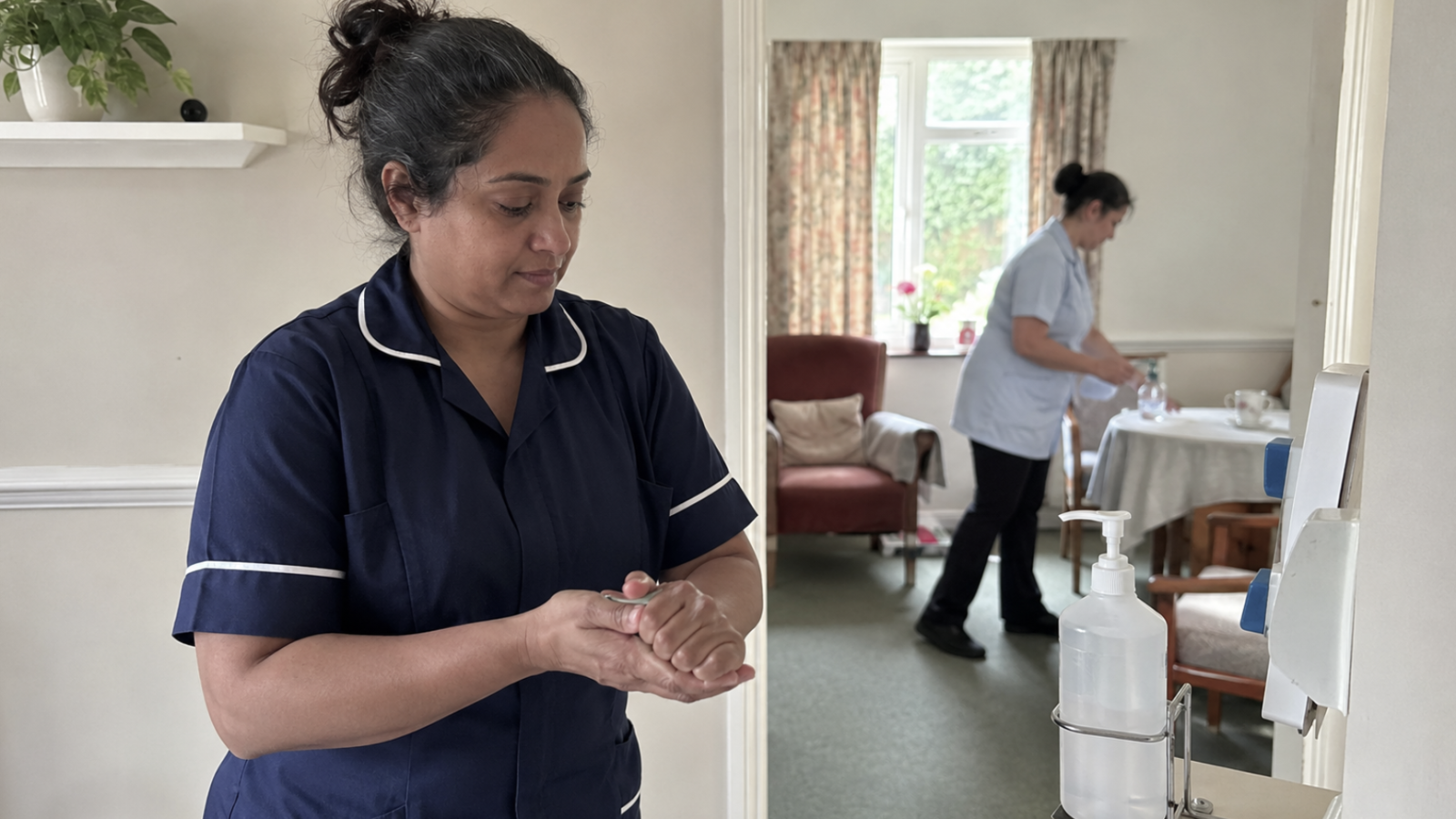
This Hand Hygiene course is designed for staff, learners and volunteers working in hospitals, care homes, GP practices and community care services. Effective hand hygiene is a fundamental infection prevention measure that helps protect people receiving care, workers and visitors from avoidable infection risks.
This free course explains how microorganisms are transmitted, when hand hygiene is required and how to choose between liquid soap and water and alcohol-based handrub. It also covers the WHO Five Moments for Hand Hygiene, correct cleaning techniques, glove use, skin care, workplace responsibilities, practical barriers and the importance of observation and feedback.
Why Take This eLearning Course?
Reliable hand hygiene depends on making the right decision at the right moment and using an effective technique. This course supports learners to recognise infection risks, apply appropriate precautions and contribute to consistent standards across different care environments.
This course will help you to:
- Understand how contaminated hands can spread microorganisms
- Recognise the importance of timely and effective hand hygiene
- Apply the Five Moments during everyday care activities
- Choose the correct cleaning method for different situations
- Use soap and water and alcohol-based handrub correctly
- Prepare hands, nails and forearms for safe practice
- Use gloves without overlooking hand hygiene requirements
- Identify commonly missed areas during hand cleaning
- Respond appropriately to limited facilities or missing supplies
- Support safer team practice through reminders, observation and feedback
Learning Outcomes
By the end of this course, you will be able to:
- Define key hand hygiene and infection prevention terms
- Explain direct and indirect transmission through contaminated hands
- Identify the point of care, immediate care area and critical sites
- Recognise each of the WHO Five Moments for Hand Hygiene
- Determine when soap and water must be used
- Determine when alcohol-based handrub is appropriate
- Demonstrate the stages of effective handwashing and handrub use
- Explain correct hand hygiene before and after wearing gloves
- Identify barriers, technique errors and commonly missed hand areas
- Describe how reporting, observation and feedback support improvement
Hand Hygiene in Healthcare Course Outline
Module 1: Hand Hygiene Principles and Responsibilities
Learners will explore essential terminology, including hand hygiene, microorganisms, contamination, transmission, infection prevention and healthcare-associated infections. The module explains how hands spread infection through direct contact and contaminated equipment or surroundings. It also considers why consistent timing and technique matter, the limits of glove protection and the workplace responsibilities involved in following national guidance, local procedures, product instructions and reporting arrangements.
Module 2: The WHO Five Moments for Hand Hygiene
Learners will examine the point of care, the immediate care area and the wider environment, alongside protected sites and body fluid exposure risks. The module explains the moments before touching a person, before a clean or aseptic procedure, after body fluid exposure risk, after contact with a person and after contact with their immediate surroundings. Practical examples demonstrate how these moments apply in hospitals, care homes, GP practices, community services and people’s homes.
Module 3: Selecting the Correct Hand Hygiene Method
Learners will distinguish between situations requiring liquid soap and water and those where alcohol-based handrub is suitable. This includes visible contamination, vomiting or diarrhoea, suspected gastrointestinal infection and spore-forming organisms. The module also covers point-of-care access, approved products, temporary arrangements when facilities are limited, planning for community visits and the requirement to wash at the first suitable opportunity. Correct hand hygiene before and after glove use is also explained.
Module 4: Preparing and Cleaning the Hands Effectively
Learners will understand how exposed forearms, appropriate jewellery arrangements, short natural nails and protected skin support effective cleaning. The module describes each stage of the recommended handwashing and alcohol-based handrub techniques, including the palms, backs of hands, spaces between fingers, thumbs and fingertips. It also addresses suitable product quantities, recommended durations, drying requirements and common errors such as stopping too soon or touching contaminated surfaces immediately after cleaning.
Module 5: Supporting Consistent Hand Hygiene Practice
Learners will consider how frequent cleaning can affect the skin and when redness, soreness, cracking or broken skin should be reported. The module identifies practical barriers such as poor access, missing supplies, unsuitable product placement, interruptions and competing demands. It explains how workplace prompts, accessible facilities, education, observation, constructive feedback and regular review can improve compliance. Learners will also consider respectful reminders, positive role modelling and appropriate support for colleagues, learners, visitors and people using services.
Module 6: Applying Learning and Responding to Concerns
Learners will apply the Five Moments to realistic examples from NHS wards, care homes, general practice and community care. The module corrects common myths, including the belief that gloves replace hand hygiene or that cleaning is needed only when entering and leaving a room. It also explains what to do after a missed opportunity, including completing hand hygiene at the next safe moment, protecting the person receiving care, reporting environmental problems and reviewing contributing factors. The course concludes by distinguishing awareness training from practical competency observation and workplace sign-off.
Target Audience
This course is suitable for:
- Healthcare assistants and support workers
- Nurses, nursing associates and clinical staff
- Care-home and domiciliary care workers
- GP practice and community healthcare teams
- Students, apprentices and new starters
- Volunteers and other workers who enter care environments
No previous specialist knowledge is required.
FAQ
Who is this course suitable for?
The course is suitable for staff, learners and volunteers who work in or enter healthcare and social care environments. It is relevant to hospitals, care homes, GP practices, community services and home-care settings.
Do I need any previous experience?
No. The course introduces the key principles clearly and is suitable for new starters as well as experienced workers completing refresher training.
What will I learn on this hand hygiene course?
You will learn how hands transmit microorganisms, when hand hygiene is required, how to apply the WHO Five Moments and how to use soap and water or alcohol-based handrub correctly.
Will this course help with day-to-day practice?
Yes. The course uses practical care situations to help you recognise hand hygiene opportunities, select an appropriate method and respond safely when facilities or supplies are limited.
Does the course cover practical skills?
The course explains the complete handwashing and handrub techniques, including commonly missed areas and frequent errors. Practical competence should also be observed and confirmed through your organisation’s local arrangements.
Does it cover relevant responsibilities and good practice?
Yes. The course covers following national guidance, local infection prevention procedures, approved product instructions, reporting shortages or damaged facilities and raising concerns when safety could be affected.
Are gloves a replacement for cleaning my hands?
No. Hands should be cleaned before gloves are put on and immediately after they are removed. Gloves can become damaged, and hands may also become contaminated during removal.
When should I use soap and water instead of handrub?
Soap and water should be used when hands are visibly dirty and during specified situations involving vomiting, diarrhoea, gastrointestinal infection or spore-forming organisms. Local infection prevention guidance should also be followed.
How long does the course take?
The course is self-paced and usually takes around 1 hour to complete.
Will I receive a certificate?
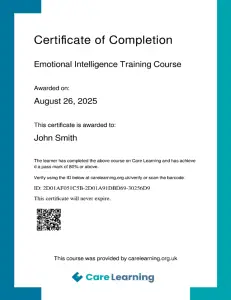
Yes. A certificate is issued after successful completion.
Effective hand hygiene is a shared responsibility and an essential part of safer care. This course provides the knowledge needed to recognise important moments, select the correct method, improve technique and contribute to reliable infection prevention practice.
Enrol now to build your understanding of hand hygiene in healthcare.