
The Charity Trustee Roles and Responsibilities course is designed for current and prospective charity trustees, board members and others who support charity governance. It provides a clear introduction to the trustee role and explains how trustees can contribute responsibly to the direction, oversight and administration of a charity.
The course covers collective board responsibility, the main legal and regulatory duties of trustees, effective decision-making, delegation, conflicts of interest, accountability and potential personal liability. It also explores how trustees and senior managers can work together while maintaining appropriate boundaries between governance and day-to-day management.
Why Take This eLearning Course?
Charity trustees carry significant responsibilities for ensuring that their organisation remains focused on its purposes, uses its resources appropriately and operates within its governing document and the law. This course supports trustees in understanding those responsibilities and applying sound governance principles in board meetings and organisational decisions.
This course will help you to:
- Understand the purpose and scope of the charity trustee role
- Contribute confidently to collective board decisions
- Recognise the difference between governance and management
- Keep decisions aligned with the charity’s purposes and public benefit
- Apply a structured approach to significant decisions
- Oversee delegated responsibilities without losing accountability
- Identify and manage financial and loyalty conflicts
- Improve the quality of board discussions and meeting records
- Understand regulatory and public accountability
- Reduce avoidable governance, financial and personal risks
Learning Outcomes
By the end of this course, you will be able to:
- Define the role and overall responsibilities of a charity trustee
- Explain how trustees exercise collective responsibility as a board
- Identify the main sources of trustee authority and guidance
- Describe the principal legal and governance duties of trustees
- Distinguish between board governance and operational management
- Apply an informed and balanced decision-making process
- Explain how authority can be delegated while accountability is retained
- Recognise, declare and manage common conflicts of interest
- Describe how trustee decisions should be recorded and reviewed
- Explain trustee accountability, liability and practical risk-reduction measures
Charity Trustee Roles and Responsibilities Course Outline
Module 1: Understanding the Charity Trustee Role
Learners will examine what it means to be a charity trustee and why trustees hold ultimate responsibility for a charity’s governance, direction and use of resources. This module explains alternative trustee titles, the legal responsibilities attached to the role and the importance of governing collectively rather than relying on individual officers. Learners will also explore the governing document, relevant legislation, regulatory guidance and the role of the Charity Commission for England and Wales.
Module 2: Core Trustee Duties
Learners will explore the duties that keep a charity focused, lawful and accountable. The module covers charitable purposes, public benefit, compliance with governing rules and the responsible use of money, property, staff time and other resources. It also explains reasonable care and skill, the use of relevant knowledge, the importance of preparation and when trustees should obtain external professional advice.
Module 3: Governance, Management and Delegation
Learners will consider the distinction between strategic governance and day-to-day management. The module explains how trustees set direction and oversee performance while senior managers and other authorised people deliver agreed plans. It also examines delegated authority, reporting arrangements and the practical steps required to delegate work without transferring the board’s overall accountability.
Module 4: Effective Meetings and Board Decisions
Learners will develop an understanding of effective participation in trustee meetings, including preparation, attendance, questioning, independent judgement and constructive disagreement. The module presents a structured approach to informed decisions based on trustee powers, reliable information, relevant factors, good faith and properly managed conflicts. It also explains how proportionate minutes can record decisions, reasoning, advice, actions and review arrangements.
Module 5: Conflicts of Interest and Loyalty
Learners will examine the difference between financial conflicts and conflicts of loyalty. The module uses common situations involving relatives, employers, connected organisations, trustee payments, contracts and multiple trusteeships to show how conflicts can arise. Learners will explore how to identify conflicts early, make declarations, follow governing rules, prevent improper influence and create a clear record of the action taken.
Module 6: Accountability, Liability and Risk Reduction
Learners will explore trustee accountability to regulators, beneficiaries, funders, supporters and the wider public. The module explains personal liability in accessible terms and considers how legal structure, authority and individual conduct may affect a trustee’s exposure. It concludes with practical safeguards, including sound decision-making, financial oversight, clear records, suitable insurance and timely legal, financial or regulatory advice.
Target Audience
This course is suitable for:
- Newly appointed charity trustees
- Prospective trustees considering joining a board
- Experienced trustees seeking to refresh their knowledge
- Charity board members, governors and management committee members
- Chairs, treasurers and other charity officers
- Senior managers and staff who work closely with trustee boards
No previous specialist knowledge is required.
FAQ
Who is this course suitable for?
This course is suitable for current and prospective charity trustees, board members, governors and management committee members. It may also benefit senior managers and staff who need to understand how trustee boards govern charities and oversee delegated work.
Do I need any previous experience?
No previous trustee or governance experience is required. The course introduces the main responsibilities in clear language and is suitable for new trustees as well as those refreshing their knowledge.
What will I learn on the Charity Trustee Roles and Responsibilities course?
You will learn about collective board responsibility, charitable purposes, public benefit, legal compliance, responsible resource management, decision-making, delegation, conflicts of interest, accountability and potential trustee liability.
Will this course help with day-to-day trustee practice?
Yes. The course connects trustee duties with practical activities such as preparing for meetings, reviewing proposals, asking appropriate questions, overseeing delegated work, recording decisions and monitoring agreed actions.
Does the course cover practical governance skills?
The course explains practical processes that trustees can use when making decisions, managing conflicts, reviewing financial information, recording meeting outcomes and deciding when professional advice may be needed.
Does the course cover Charity Commission responsibilities and good practice?
Yes. The course explains the Charity Commission’s regulatory role in England and Wales and introduces the importance of its published guidance, including the main trustee duties described in The Essential Trustee. Trustees should also follow their charity’s governing document and any legislation or regulatory requirements that apply to their organisation.
Does delegation remove a trustee’s responsibility?
No. Trustees may authorise staff, volunteers, committees or individual trustees to carry out agreed work, but the board remains responsible for setting appropriate limits, receiving reports and monitoring performance.
What happens when a trustee has a conflict of interest?
The conflict should be identified and declared before it influences discussion or decision-making. The board must follow its governing document, applicable law and its conflicts policy, which may require the affected trustee to withdraw from the discussion and vote.
How long does the course take?
The course is self-paced and usually takes around 1 hour to complete.
Will I receive a certificate?
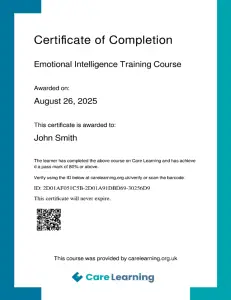
Yes. A certificate is issued after successful completion.
This online course provides a practical foundation for understanding the responsibilities attached to charity trusteeship. It supports informed participation, effective board oversight and responsible decisions that remain focused on the charity’s purposes and best interests.
Enrol now to build your understanding of charity trustee roles and responsibilities.