
This guide will help you answer 1.3 Outline the roles and responsibilities of: • school governors • teachers and tutors • support staff.
This guide covers the roles and responsibilities of school governors, teachers and tutors, and support staff in UK schools. Each has an important part in how schools run, how pupils are supported, and how learning takes place.
An understanding of these roles helps workers know how to work with others and support the school’s aims. It also helps build respect between different types of staff and keeps work organised.
School Governors
School governors are volunteers. They work as part of a governing body. Their main role is to support the school’s leadership and hold it to account. They do this by making decisions about the direction, policies, and priorities of the school.
Governors have legal responsibilities. They help make sure the school meets all required standards. They are not involved in day-to-day teaching but work at a strategic level.
Typical responsibilities include:
- Setting the school’s vision and values
- Deciding policy on behaviour and attendance
- Approving budgets and monitoring spending
- Reviewing academic performance and pupil progress
- Ensuring the school meets health and safety requirements
- Supporting decisions about staffing and recruitment
- Working with the headteacher to set targets for improvement
Governors often meet several times each term. They operate in committees such as finance, curriculum, or staffing. Each governor might take on a specific focus such as safeguarding or special educational needs. This helps share the work and allows governors to specialise.
They act as a link between the school and the wider community. They might meet parents, representatives from local councils, and other organisations. They also review reports from the headteacher and from Ofsted inspections.
Governors are responsible for monitoring how the school spends money from government funding, grants and other sources. This includes the pupil premium funding which is aimed at improving outcomes for disadvantaged pupils.
They are expected to challenge the school leadership in a constructive way. This means asking questions about decisions, progress, and plans. This “critical friend” approach supports improvement without undermining staff.
Teachers and Tutors
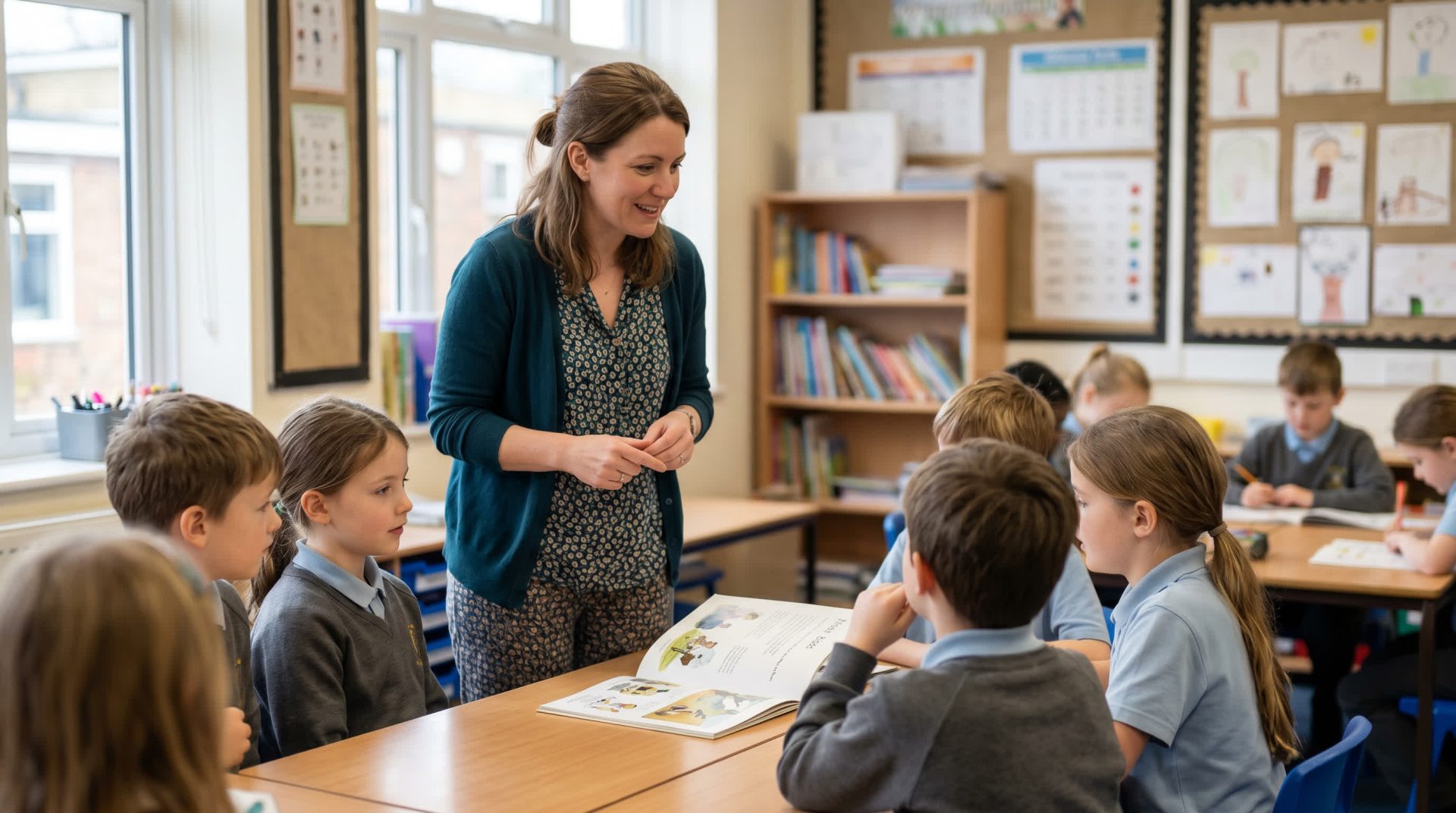
Teachers and tutors work directly with pupils. They plan, deliver, and assess lessons. Their role is central to the academic progress of pupils. Tutors may work one-to-one or in small groups, often supporting pupils who need extra help.
A teacher’s responsibilities include:
- Planning lessons that match the school’s curriculum
- Using teaching methods that suit different learning needs
- Assessing pupils through tests, assignments and observations
- Giving feedback to pupils and parents on progress
- Managing the classroom environment to keep learning safe and effective
- Recording attendance and monitoring behaviour
- Working with colleagues to improve teaching methods
- Meeting safeguarding duties to protect children from harm
Teachers prepare schemes of work. These are detailed plans for a series of lessons. They might adapt these plans to meet the needs of pupils with special educational needs or those who speak English as an additional language.
Teachers often lead assemblies, organise trips, and contribute to school events. They are expected to keep up-to-date with subject knowledge and teaching approaches. This involves regular training and professional development.
They also write reports and keep records on pupil progress. Schools use these records to track performance. This information might be shared during parent meetings or sent home as progress reports.
Teachers may have pastoral responsibilities. This means they look after the well-being of pupils and help them deal with personal challenges. They might be a form tutor, responsible for a small group of pupils, providing guidance and monitoring attendance.
Tutors have many of the same responsibilities but often focus on specific learning targets. For example they may help improve literacy, numeracy, or exam preparation. Some tutors work with pupils who have been excluded or missed school. Their role is to help pupils catch up and improve confidence in learning.
Teachers and tutors work closely with support staff. They share information so that learning activities are aligned and pupils get the help they need.
Support Staff
Support staff are sometimes referred to as non-teaching staff. They help with a wide range of tasks that keep the school running and assist teachers in their work. Support staff roles vary depending on the type of school and the needs of pupils.
Common types of support staff include:
- Teaching assistants
- Learning support assistants
- Administrative staff
- Lunchtime supervisors
- Site managers
- Technicians
- Pastoral support workers
Teaching assistants work in classrooms alongside teachers. They help pupils to understand lesson material and complete tasks. They might support a small group or one pupil who needs extra help.
Learning support assistants often work with pupils who have special educational needs. They might adapt materials, use specialist equipment, or help with personal care. They may follow an individual education plan written by the teacher and SEN coordinator.
Administrative staff handle paperwork, communications, and records. They might organise parent correspondence, maintain pupil files, and prepare reports for governors. They also answer phone calls and greet visitors, making sure the school complies with security and safeguarding rules.
Lunchtime supervisors look after pupils during lunch breaks. They make sure pupils are safe, follow rules, and have access to meals. They might help younger pupils with eating and encourage positive play.
Site managers are responsible for the school buildings and grounds. They check health and safety standards, arrange repairs, and manage cleaning. They ensure classrooms and outdoor spaces are safe for pupils and staff.
Technicians support specialist subjects such as science, IT, or design and technology. They prepare equipment, set up experiments, and help with maintenance of resources.
Pastoral support workers help pupils with emotional or social problems. They might work closely with parents, social services, and other professionals. They keep records of pupil welfare and offer guidance on attendance and behaviour.
Support staff have safeguarding duties. They must report any concerns about a pupil to the designated safeguarding lead. They complete training so they know what signs to look for and how to respond.
These staff play an active part in creating an inclusive school environment. They help pupils feel safe, respected, and supported. They build relationships based on trust and give pupils the confidence to take part in learning activities.
Working Together in Schools
Although each role is different, they overlap in many ways. For example:
- Governors set policies that teachers and support staff follow
- Teachers direct teaching assistants on how to support lesson plans
- Support staff share observations with teachers about pupil needs
- Governors review reports written by teachers and administrative staff
Good communication ensures everyone understands their role. Clear procedures keep work consistent and help staff respond to incidents effectively.
Safeguarding is a shared responsibility across all roles. This means protecting pupils from harm, abuse, neglect, and other risks. Every adult in school has a duty to act if they see something that could harm a child’s safety or welfare.
Schools often hold regular meetings for staff from all roles. This helps update everyone on changes to policies, upcoming events, and key tasks.
Final Thoughts
Schools depend on teamwork between governors, teachers, tutors, and support staff. Each role contributes to the overall success of the school. Governors offer direction and accountability. Teachers and tutors bring learning to life. Support staff make sure the day-to-day environment runs smoothly and pupils get the help they need.
When workers understand these roles well, they can interact more effectively. They can see how their own work fits into the bigger picture. This leads to an organised, safe, and supportive school where pupils have the best chance to succeed.
If you stay aware of what others do and respect their responsibilities, you will find it easier to work with them and make a positive impact on the school community.