This Autism in Girls and Women course is designed for professionals and staff who want to develop a more informed, person-centred understanding of autism. It is particularly relevant to people working across health and social care, education, community services and employment support in the UK.
This free course explores autistic experience, masking and camouflaging, late identification, changing support needs and barriers across education, healthcare and employment. It also explains how respectful communication, practical adjustments, partnership working and appropriate referral routes can improve access and participation.
Why Take This eLearning Course?
Autistic girls and women may be overlooked when their experiences do not match familiar stereotypes. This training supports professionals to look beyond outward presentation, listen to individual experiences and respond to identified barriers without making assumptions.
This course will help you to:
- Develop a respectful understanding of autism and neurodiversity.
- Recognise that autism does not have one gendered presentation.
- Look beyond eye contact, spoken fluency and academic achievement.
- Understand how masking can conceal distress and support needs.
- Recognise pressures associated with late identification.
- Identify less obvious signs that someone may require support.
- Make communication and sensory environments more accessible.
- Work collaboratively with individuals, families and other professionals.
- Understand professional boundaries, referral routes and escalation procedures.
- Support inclusive practice in education, services and employment.
Learning Outcomes
By the end of this course, you will be able to:
- Define autism, neurodiversity, masking and camouflaging.
- Describe key areas of autistic experience without relying on stereotypes.
- Explain why autistic girls and women may be missed or identified later.
- Identify possible effects of prolonged masking and unsupported demands.
- Recognise how life changes can reveal previously hidden support needs.
- Describe practical adjustments for education, healthcare and employment.
- Apply person-centred communication and autonomy-supporting approaches.
- Explain how intersectional factors may affect recognition and access to support.
- Distinguish between recognition, referral, diagnosis and urgent escalation.
- Outline inclusive actions that organisations can embed into everyday practice.
Autism in Girls and Women Course Outline
The course is organised into six modules covering autistic experience, masking, late identification, education, services and employment.
Module 1: Understanding Autism and Individual Experience
Learners will develop a clear understanding of autism as a lifelong neurodevelopmental difference and explore neurodiversity as a natural variation between human minds. The module considers identity-first and person-first language, emphasising the importance of respecting individual preferences. Learners will examine communication, information processing, sensory patterns, routines and focused interests while recognising that support needs cannot be predicted from appearance, speech or diagnosis. The module also challenges gendered stereotypes and explains how strengths, lived experience and individual support needs should be considered together.
Module 2: Masking, Camouflaging and Late Recognition
Learners will explore how autistic people may consciously or unconsciously change, conceal or compensate for their natural responses. The module examines copying behaviour, rehearsing conversations, forcing eye contact, suppressing movement, using social scripts and concealing distress. It explains how narrow stereotypes, hidden support needs and co-occurring difficulties can contribute to delayed diagnosis. Learners will also consider key research into lived experience and camouflaging, including the limitations of applying group findings to an individual person.
Module 3: The Effects of Late Identification and Changing Demands
Learners will examine how repeated misunderstanding, sensory strain, social effort and delayed access to support can affect confidence, identity, education, employment and wellbeing. The module considers pressures that may remain hidden despite attendance, achievement or an outwardly calm presentation. It also explores how puberty, transitions, further study, employment, relationships and later-life changes can make support needs more visible. Intersectional experiences are addressed, including the influence of gender identity, sexuality, race, ethnicity, language, culture, disability and socioeconomic circumstances.
Module 4: Recognition and Support in Education
Learners will identify less obvious indicators of unmet need across school, home and community environments. The module considers school avoidance, perfectionism, sensory discomfort, friendship difficulties, reliance on routines and distress during unstructured periods. It outlines practical adjustments such as predictable routines, advance notice of changes, direct instructions, quieter spaces, flexible participation and structured breaks. Learners will also explore partnership working with the learner, families, the SENCO and other professionals, alongside role boundaries, graduated support processes and referral routes.
Module 5: Accessible Health, Community and Social Care Practice
Learners will explore communication and sensory adjustments that can improve access to appointments, care interactions and community services. The module covers information provided in advance, direct language, processing time, quieter waiting arrangements and individual communication preferences. It examines informed choice, autonomy, harmless stimming and the importance of speaking directly to the person. Learners will also consider how to respond when autism may be unrecognised, including factual recording, immediate support, local pathways, professional advice, routine referral, urgent concerns and safeguarding action.
Module 6: Inclusive Recruitment, Employment and Organisations
Learners will examine barriers created by recruitment processes, workplace environments and unwritten social expectations. The module explores accessible interviews, written information, clear instructions, quieter workspaces, predictable supervision and agreed communication methods. It also addresses disclosure, confidentiality, collaborative adjustment planning and ongoing review. Learners will consider relevant reasonable adjustment responsibilities in Great Britain and the importance of following location-specific legislation and guidance. The module concludes by exploring how inclusive communication, accessible systems and autistic involvement can improve practice across whole organisations.
Target Audience
This course is suitable for:
- Health, community and social care staff.
- Teachers, teaching assistants and education support staff.
- SENCOs and staff involved in additional learning support.
- Managers, supervisors and human resources professionals.
- Employment advisers and community service workers.
- Anyone seeking a more informed understanding of autism in girls and women.
No previous specialist knowledge is required.
FAQ
Who is this course suitable for?
The course is suitable for staff and professionals who may support autistic girls or women across education, healthcare, social care, community services or employment. It is also relevant to managers and organisations seeking to make their services more inclusive.
Do I need any previous experience?
No previous experience or specialist knowledge is required. The course introduces key concepts clearly and is suitable for learners developing their awareness as well as those refreshing existing knowledge.
What will I learn on the Autism in Girls and Women course?
You will learn about autistic experience, respectful language, masking, late identification, hidden support needs and changing demands. You will also examine practical adjustments, professional boundaries, referral routes and inclusive organisational practice.
Will this course help with day-to-day practice?
Yes. The course provides practical guidance for communicating clearly, identifying barriers, considering sensory needs and working collaboratively with the person. It encourages staff to respond to individual information rather than stereotypes.
Does the course cover practical skills?
The course covers practical approaches that can be used in education, appointments, care interactions, workplaces and community services. These include providing clear information, allowing processing time, planning changes, offering quieter environments and agreeing suitable communication methods.
Does it cover relevant responsibilities and good practice?
Yes. The course explains person-centred practice, confidentiality, informed choice, reasonable adjustments, role boundaries, referral and safeguarding. It includes England-focused education frameworks and Great Britain employment responsibilities while recognising that arrangements differ across the UK.
Can adjustments be provided before an autism diagnosis?
Support for known communication, sensory, educational or workplace barriers does not always need to wait for a formal diagnosis. Staff should follow their organisation’s procedures, work within their role and base adjustments on identified individual needs.
Does the course explain when staff should refer or escalate concerns?
Yes. Learners will consider routine referral, specialist advice, urgent physical or mental health concerns and safeguarding action. The course reinforces the importance of factual records, appropriate information sharing and following local procedures.
How long does the course take?
The course is self-paced and usually takes around 1 hour to complete.
Will I receive a certificate?
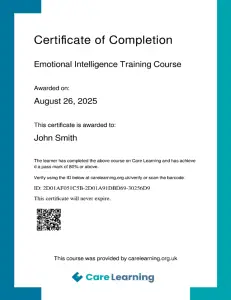
Yes. A certificate is issued after successful completion.
This course provides a balanced introduction to the experiences of autistic girls and women and the barriers they may face. It supports learners to communicate respectfully, recognise hidden effort and contribute to more accessible, inclusive and person-centred environments.
Enrol now to build your understanding of autism in girls and women.