
This online ADHD in girls and women course is designed for health, social care, education and community professionals who may support girls and women with attention, organisation, emotional regulation or everyday functioning. It explains why ADHD may be overlooked when a person does not display the disruptive or visibly hyperactive behaviours commonly associated with the condition.
This free course covers ADHD features, gender disparities in recognition, inattentive and internalised presentations, masking, emotional wellbeing and the effects of missed identification. Learners will also explore hormonal life stages, referral and assessment processes, supportive approaches, professional responsibilities and the England legal and SEND framework.
Watch the course trailer

Captions are available in the player (CC). The video plays from YouTube, which only loads when you press play.
Read the transcript
Could ADHD be going unnoticed in the girls and women you support? Knowing the signs helps you respond with confidence. Our free ADHD in Girls and Women course is CPD accredited and comes with a certificate. You'll learn why ADHD can be missed in girls and women, how masking can hide it, possible changes across hormonal life stages, and practical ways to give support. You'll also look at referral and assessment, and when to escalate mental health or safeguarding concerns. Test a common myth with a true or false question: does doing well at school or work rule out ADHD? Then drag the right words into place to see how missed ADHD can affect daily life. It's ideal for health and social care workers, teachers and SENCOs, and community and youth support workers. One learner said: "The course layout was very clear and the information was incredibly helpful throughout." Start learning today, for free, at carelearning.org.uk.
Why Take This eLearning Course?
ADHD can affect education, employment, relationships, self-care and emotional wellbeing. Girls and women may develop demanding strategies that conceal their difficulties, meaning their support needs are not always recognised. This course helps professionals respond without relying on stereotypes, making assumptions or working beyond their role.
This course will help you to:
- Recognise less visible signs of ADHD in girls and women
- Understand why referrals and diagnoses may be delayed
- Identify masking and compensatory strategies
- Consider the effort behind apparently successful performance
- Respond appropriately to emotional distress and safety concerns
- Gather useful information without attempting to diagnose
- Support access to appropriate referral and assessment routes
- Use practical, person-centred support strategies
- Understand relevant England SEND and equality responsibilities
- Work confidently within professional role boundaries
Learning Outcomes
By the end of this course, you will be able to:
- Define ADHD and describe its main features
- Explain why ADHD may be under-recognised in girls and women
- Identify inattentive, organisational, internalised and emotional presentations
- Describe how masking can affect recognition and wellbeing
- Explain how possible ADHD can affect learning, work, relationships and daily life
- Recognise concerns that require mental health or safeguarding escalation
- Describe possible changes during key hormonal and reproductive life stages
- Outline the information and professional input required for an ADHD assessment
- Select practical support approaches for education, health, home and community settings
- Explain the importance of person-centred, lawful and joined-up support
ADHD in Girls and Women Course Outline
The course is organised into six modules. It begins with the main features of ADHD and barriers to recognition before exploring presentations, everyday effects, life-stage considerations, assessment and practical support.
Module 1: Understanding ADHD and Recognition Differences
Learners will define ADHD as a neurodevelopmental condition affecting the regulation of attention, activity and impulses. The module explains the importance of persistent patterns, developmental history and effects across everyday life. It examines why girls and women may receive fewer referrals or diagnoses, including the influence of stereotypes based on visibly hyperactive or disruptive behaviour. Learners will also challenge common myths, understand that academic achievement does not rule out significant difficulties and distinguish professional observation from clinical diagnosis.
Module 2: Recognising Different Presentations
Learners will explore inattentive and organisational presentations, including difficulties with instructions, distractions, routines, time awareness, belongings and task completion. The module considers internal restlessness, overwhelm, emotional responses, reduced confidence and delayed exhaustion. It also explains how copying peers, excessive preparation, perfectionism and people-pleasing may conceal support needs. Learners will consider how age, personality, culture, health, coexisting conditions and environmental structure can influence what is observed.
Module 3: Effects on Wellbeing and Everyday Life
Learners will examine how missed or delayed identification can affect education, employment, friendships, family relationships and daily routines. The module explores the impact of blame, negative labels, inconsistent performance and repeated misunderstandings on confidence and self-esteem. It also considers anxiety, low mood, eating difficulties, diagnostic overlap and the importance of a full professional assessment. Guidance is included on responding calmly to self-harm concerns, following safeguarding procedures and seeking urgent assistance when there is an immediate risk to safety.
Module 4: Hormonal and Reproductive Life Stages
Learners will consider reported changes in attention, memory, organisation, mood and everyday functioning during puberty and the menstrual cycle while recognising the limits of current evidence. The module explains safe support during pregnancy and after childbirth, including the importance of professional medication review, practical planning and prompt attention to mental health concerns. It also explores experiences reported during perimenopause and menopause and explains how record-keeping, functional examples and personalised clinical review can support safer decisions.
Module 5: Referral, Information Gathering and Assessment
Learners will identify useful information that can support a specialist assessment, including the person’s own account, developmental history, examples from different settings, the duration of concerns and their effect on daily life. The module outlines possible education and health referral routes, including discussions with a SENCO or general practitioner, while recognising that local arrangements vary. Learners will understand how qualified professionals assess ADHD and why observations, rating scales or behaviour in one setting cannot confirm or exclude the condition on their own.
Module 6: Practical and Person-Centred Support
Learners will explore supportive approaches in education, including clear instructions, manageable task stages, predictable routines, discreet prompts and planned reviews. The module also covers collaborative support in health, home and community settings through preparation, reduced distractions, written follow-up and jointly agreed adjustments. Learners will examine the England SEND framework, the graduated approach, the Children and Families Act 2014, Equality Act responsibilities and reasonable adjustments. The module concludes with person-centred communication, confidentiality, appropriate information sharing and coordinated professional support.
Target Audience
This course is suitable for:
- Health and social care workers
- Teachers, teaching assistants and education support staff
- SENCOs and staff involved in SEND provision
- Community, family and youth support workers
- Managers responsible for inclusive services or staff development
- Professionals who support girls and women in everyday settings
No previous specialist knowledge is required.
FAQ
Who is this course suitable for?
The course is suitable for professionals who may notice or respond to attention, organisation, emotional regulation or everyday functioning difficulties in girls and women. This includes staff working in health, social care, education and community services.
Do I need any previous experience?
No previous ADHD training or clinical knowledge is required. The course introduces the topic clearly while maintaining appropriate professional and diagnostic boundaries.
What will I learn on this course?
You will learn about the main features of ADHD, barriers to recognition, inattentive and internalised presentations, masking, emotional wellbeing, life-stage changes, assessment processes and practical support approaches.
Why can ADHD in girls and women be difficult to recognise?
Some girls and women experience less visible inattention, internal restlessness or organisational difficulties rather than obvious physical hyperactivity. Coping strategies, perfectionism, quiet behaviour and strong academic performance may also conceal the effort required to manage everyday demands.
Will this course help with day-to-day practice?
Yes. The course includes practical approaches for giving instructions, structuring activities, preparing for appointments, reducing competing demands, recording concerns and reviewing support with the person.
Does the course cover practical skills?
The course explains how to observe and record patterns, provide reasonable support, communicate respectfully, gather appropriate information and respond to changing needs. It does not train learners to diagnose ADHD or recommend medication changes.
Does it cover relevant responsibilities or good practice?
Yes. Learners will consider professional role boundaries, consent, confidentiality, information sharing, safeguarding escalation and the England SEND and equality framework. Local procedures and current organisational guidance should always be followed.
How long does the course take?
The course is self-paced and usually takes around 1 hour to complete.
Will I receive a certificate?
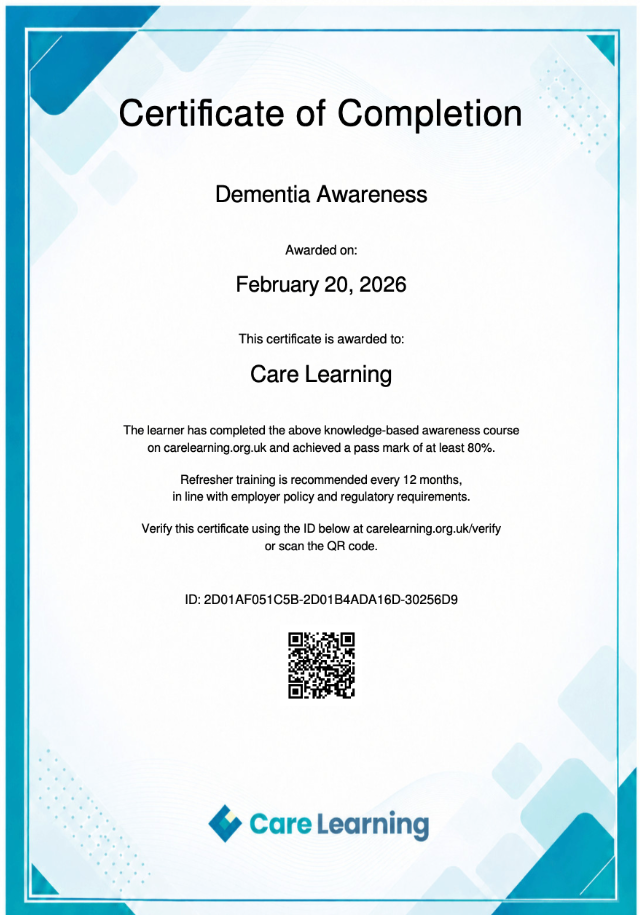
Yes. A certificate is issued after successful completion.
This ADHD in girls and women training provides a balanced introduction to recognition, assessment and support. It can help professionals replace stereotypes and blame with careful observation, respectful communication and practical, person-centred responses.
Enrol now to build your understanding of ADHD in girls and women.