This Women’s Health Awareness Training Course is designed for health and social care workers and others who may support people with women’s health concerns. It develops awareness of health needs across the life course and helps learners respond respectfully, recognise when further support may be needed and remain within appropriate professional boundaries.
This free course covers health inequalities, menstrual and gynaecological health, maternal and perinatal mental health, perimenopause and menopause, cervical and breast screening, health literacy and effective signposting. Learners will also explore inclusive communication, urgent escalation, reliable sources of information and the distinction between awareness support and clinical assessment.
Why Take This eLearning Course?
Women’s health needs can change throughout life, and people may face barriers that affect whether their concerns are heard, understood or appropriately assessed. This course supports staff to provide informed, person-centred assistance without making assumptions or stepping beyond their competence.
This course will help you to:
- Develop a broader understanding of women’s health across different life stages.
- Recognise health inequalities and barriers that can affect access to care.
- Communicate about sensitive health concerns respectfully and inclusively.
- Respond appropriately to menstrual and gynaecological concerns.
- Increase awareness of maternal and perinatal mental health needs.
- Understand common experiences associated with perimenopause and menopause.
- Explain the purpose of cervical and breast screening more confidently.
- Distinguish routine screening from assessment of new or concerning symptoms.
- Help people find reliable health information and suitable services.
- Maintain clear professional boundaries and escalate serious concerns appropriately.
Learning Outcomes
By the end of this course, you will be able to:
- Define women’s health awareness and explain a life-course approach.
- Describe the gender health gap, health inequalities and common barriers to care.
- Apply inclusive and person-centred communication principles to women’s health conversations.
- Identify common menstrual, endometriosis and PMOS-related concerns that may warrant professional assessment.
- Describe maternal and perinatal mental health concerns and recognise signs that someone may need support.
- Identify circumstances requiring urgent mental health, safeguarding or emergency escalation.
- Describe perimenopause, menopause and common associated symptoms.
- Explain the purpose and routine offer of cervical and breast screening.
- Distinguish screening for people without symptoms from clinical assessment of health concerns.
- Explain how health literacy, reliable information, signposting and professional boundaries support safe awareness practice.
Women’s Health Awareness Training Course Outline
Module 1: Foundations of Women’s Health Awareness
Learners will explore what women’s health awareness means and how a life-course approach can help staff understand changing health needs from puberty and reproductive years through pregnancy, menopause and ageing. The module considers the gender health gap, historical gaps in research and the importance of listening seriously to people’s experiences. Learners will also examine inequalities linked to deprivation, geography, disability, language, discrimination and access to services. The module concludes with practical principles for inclusive, person-centred communication, including respectful language, avoiding assumptions, protecting privacy and recognising individual identity and preferences.
Module 2: Menstrual and Gynaecological Health
Learners will develop awareness of menstrual health and recognise when changes in bleeding, pain or everyday functioning may justify professional advice. The module introduces common features associated with endometriosis, including pelvic pain, pain during sex, toilet-related pain, fatigue and fertility concerns, while reinforcing that diagnosis belongs to qualified healthcare professionals. Learners will also explore PMOS terminology, previously widely known as PCOS, and consider possible menstrual, hormonal, skin, hair, fertility, mental health and metabolic effects. Practical guidance focuses on listening carefully, supporting symptom recording where appropriate, encouraging assessment and maintaining clear clinical boundaries.
Module 3: Maternal and Perinatal Mental Health
Learners will examine emotional and mental health during pregnancy and after birth, including depression, anxiety and different levels of support need. They will consider signs that someone may be struggling, such as persistent low mood, hopelessness, overwhelming anxiety, difficulty coping or bonding concerns. The module explains supportive responses and routes to help through primary care, maternity services and specialist perinatal mental health provision. Particular attention is given to immediate risks involving self-harm, suicide or harm to a baby, with learners reviewing the importance of emergency action, safeguarding procedures, appropriate information sharing and timely escalation.
Module 4: Perimenopause and Menopause Awareness
Learners will develop an understanding of perimenopause and menopause as stages of a life transition associated with changing ovarian function and hormone levels. The module covers common experiences including changes to periods, hot flushes, night sweats, sleep disturbance, mood changes, genitourinary symptoms, muscle and joint discomfort and wider effects on daily life. Learners will consider practical ways to provide person-centred support, including privacy, workplace or care adjustments and access to professional assessment. The module also reinforces the distinction between offering general awareness support and giving individual clinical or treatment advice.
Module 5: Cervical and Breast Screening Awareness
Learners will explore the purpose of cervical and breast screening and how population screening differs from diagnostic assessment. The module explains cervical screening for high-risk HPV and related cell changes, together with the routine screening offer described for eligible people in England. Learners will also examine mammography within NHS breast screening, routine invitation arrangements and the existence of different pathways for people at higher risk. Practical sections address emotional, communication, cultural, disability and access barriers to screening. Learners will reinforce the key principle that new or concerning symptoms require appropriate clinical advice rather than waiting for a routine screening appointment.
Module 6: Health Literacy, Signposting and Professional Practice
Learners will consider how health literacy helps people find, understand and use reliable information to support informed decisions. The module explores appropriate sources of information and support across primary and community care, maternity services, screening programmes, specialist services and developing women’s health hub arrangements. Learners will review the boundaries of an awareness role, including avoiding diagnosis and unauthorised treatment advice, protecting privacy and following local referral, safeguarding and escalation pathways. Practical examples demonstrate how respectful listening, accurate information, inclusive communication and appropriate signposting can support people in primary care, community, workplace and social care settings.
Target Audience
This course is suitable for:
- Health and social care workers who may discuss or respond to women’s health concerns.
- Support workers and community-based staff working with adults.
- Primary care and healthcare support staff in awareness-level roles.
- Social care staff who may notice changes in health or wellbeing.
- Staff with workplace wellbeing or employee support responsibilities.
- Workers who signpost people to health, screening or community services.
No previous specialist knowledge is required.
FAQ
Who is this course suitable for?
This course is suitable for health and social care workers and other staff who may encounter women’s health concerns as part of an awareness, support or signposting role. It is particularly relevant to people who need a broad understanding of women’s health while remaining within non-clinical or defined professional boundaries.
Do I need any previous experience?
No previous specialist knowledge of women’s health is required. The course provides awareness-level learning and explains key concepts, common concerns and appropriate responses in accessible professional language.
What will I learn on this women’s health awareness course?
You will learn about women’s health across the life course, health inequalities, menstrual and gynaecological health, perinatal mental health, menopause, cervical and breast screening, health literacy, inclusive communication, signposting and professional boundaries.
Will this course help with day-to-day practice?
Yes. The course focuses on situations staff may encounter when listening to health concerns, providing reliable general information, supporting access to services or recognising when a concern needs professional assessment or urgent escalation.
Does the course cover practical skills?
The course develops practical awareness and communication skills rather than clinical procedures. It covers listening, inclusive communication, recognising changes or concerns, supporting access to suitable services, signposting and responding within the limits of your role.
Does it cover relevant responsibilities and good practice?
Yes. Learners explore person-centred communication, privacy, information handling, professional competence, safeguarding, local escalation procedures and the importance of directing clinical questions to appropriately qualified healthcare professionals.
Does the course explain when a women’s health concern may need further assessment?
Yes. The course highlights a range of situations where professional advice may be appropriate, including persistent or changing menstrual symptoms, significant mental health concerns, troublesome menopause-associated symptoms and new breast or cervical concerns. It also explains when immediate risk requires urgent escalation.
Does the course cover cervical and breast screening?
Yes. It explains the purpose of cervical and breast screening, routine eligibility information presented within the course, barriers to participation and informed choice. It also makes clear that routine screening is intended for people without symptoms and should not replace assessment of a new health concern.
How long does the course take?
The course is self-paced and usually takes around 1 hour to complete.
Will I receive a certificate?
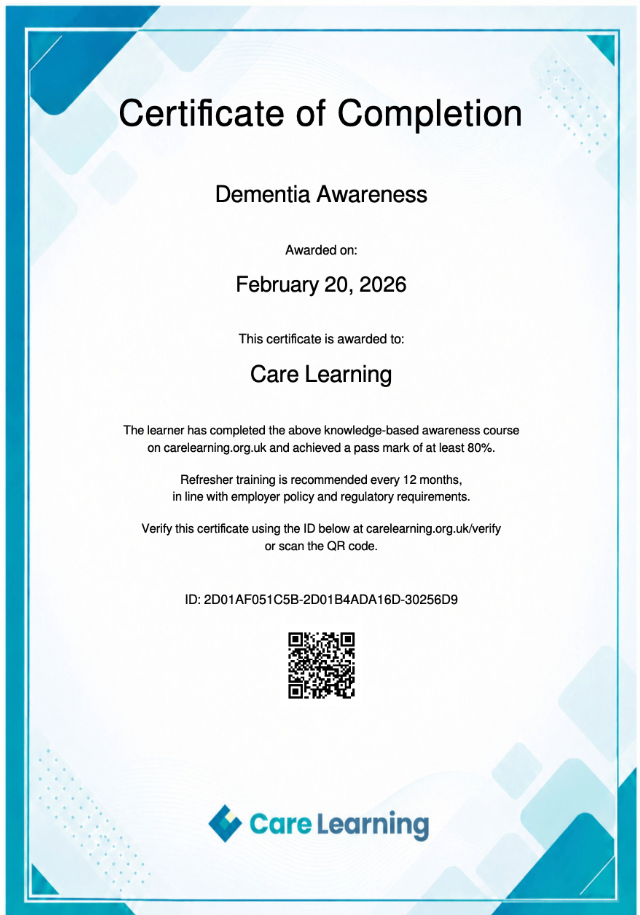
Yes. A certificate is issued after successful completion.
Women’s health awareness can help staff respond more effectively when someone raises a concern, needs reliable information or is unsure where to seek support. This course provides a practical foundation for respectful communication, appropriate signposting and safe awareness practice while keeping individual needs, informed choice and professional boundaries at the centre.
Enrol now to build your understanding of women’s health awareness.