This Allyship in the Workplace eLearning Course is designed for staff, managers and organisations that want to build fairer, more respectful and more inclusive working environments. It explains what allyship means in everyday workplace practice and why it matters for colleagues who may face barriers, exclusion or unfair treatment.
This free course explores equality, diversity and inclusion, protected characteristics under the Equality Act 2010, unconscious bias, power, privilege, microaggressions and practical ways to support colleagues. It also explains how to speak up safely, use inclusive language, respect confidentiality and make allyship an ongoing part of workplace culture.
Why Take This eLearning Course?
Allyship helps people recognise unfairness, challenge poor practice respectfully and contribute to a workplace where colleagues feel safe, valued and able to participate. This course supports learners to understand both the principles and practical behaviours that make allyship meaningful in day-to-day work.
This course will help you to:
- Understand what allyship means in a workplace context.
- Recognise how bias, discrimination and exclusion can affect colleagues.
- Build confidence in speaking up safely and respectfully.
- Use inclusive language and behaviour in everyday interactions.
- Reflect on privilege, power and decision-making.
- Support colleagues from underrepresented groups appropriately.
- Understand the importance of confidentiality and consent.
- Identify microaggressions and exclusionary behaviour.
- Contribute to fairer meetings, recruitment and workplace processes.
- Support a more respectful and positive workplace culture.
Learning Outcomes
By the end of this course, you will be able to:
- Define allyship and explain its role in workplace inclusion.
- Describe the difference between allyship, advocacy and activism.
- Explain equality, diversity and inclusion in practical workplace terms.
- Identify the protected characteristics under the Equality Act 2010.
- Recognise how discrimination, bias and inequality can occur at work.
- Explain how privilege and power affect workplace experiences.
- Identify barriers that may prevent effective allyship.
- Describe behaviours that support active and respectful allyship.
- Apply practical approaches to challenge inappropriate language or behaviour.
- Explain how organisations can encourage sustained allyship.
Allyship in the Workplace eLearning Course Outline
Module 1: Understanding Allyship
Learners will explore what allyship means in a workplace context and how it involves ongoing, practical support for colleagues who may experience barriers or unfair treatment. This module explains the difference between allyship, advocacy and activism, helping learners understand when different forms of support may be appropriate. It also considers why allyship matters in UK workplaces, including its role in supporting fairness, dignity, staff wellbeing and safer team communication.
Module 2: Equality, Diversity, Inclusion and Workplace Impact
Learners will examine the meaning of equality, diversity and inclusion, including how these ideas apply to recruitment, leadership, daily work and participation. This module covers the protected characteristics under the Equality Act 2010 and explains how discrimination, bias and inequality can appear in workplace systems and decisions. It also considers the impact of exclusion on individuals, teams and organisations, including wellbeing, engagement, retention, learning culture and service quality.
Module 3: Privilege, Power and Unconscious Bias
Learners will develop an understanding of privilege and power in working life, including how influence, status and access to opportunity can shape workplace experiences. This module explains how unconscious bias can affect behaviour, communication and decisions in areas such as recruitment, supervision, workload and progression. Learners will also consider examples of privilege in everyday practice and how power can be used positively to remove barriers, share opportunities and support psychological safety.
Module 4: Barriers, Silence and Exclusionary Behaviour
Learners will identify common barriers that may stop people from acting as effective allies, including fear of getting it wrong, lack of confidence, workplace norms and uncertainty about policies. This module explores fears and misunderstandings that can prevent allyship, such as fear of conflict or consequences. It also explains the impact of silence and inaction, and helps learners recognise microaggressions, stereotyping, dismissive language and exclusionary practices.
Module 5: Practical Allyship Behaviours
Learners will explore the everyday behaviours of an effective ally, including listening without defensiveness, checking assumptions, respecting names and pronouns, sharing credit and supporting fair access to opportunities. This module explains how to listen actively and empathetically, how to speak up safely and respectfully, and how to challenge inappropriate language or behaviour using calm, specific and proportionate approaches. It also reinforces the importance of following workplace standards and using appropriate routes when concerns continue.
Module 6: Supporting Colleagues and Using Inclusive Practice
Learners will consider practical ways to support colleagues from underrepresented groups while respecting privacy, choice and consent. This module explains how allyship can be shown in meetings, recruitment and day-to-day work through fair workload allocation, structured decisions, inclusive language and support for reasonable adjustments. It also covers confidentiality and consent, helping learners understand how to protect trust when sensitive experiences or personal information are shared.
Module 7: Sustaining Allyship and Building Positive Culture
Learners will understand why allyship is an ongoing commitment rather than a one-off action. This module explores reflection, personal learning and ways to notice patterns in behaviour, decisions and workplace culture. It also explains how organisations can support allyship through policies, safe reporting routes, training, supervision, leadership, data and staff networks. Learners will consider how sustained allyship contributes to trust, psychological safety, teamwork, retention and a more positive workplace culture.
Target Audience
This course is suitable for:
- Employees in any workplace who want to understand allyship and inclusion.
- Managers, supervisors and team leaders responsible for fair working practices.
- HR, learning and development, and people management teams.
- Staff working in health and social care settings where respectful teamwork supports safe practice.
- Volunteers, coordinators and community-based teams.
- Organisations aiming to strengthen equality, diversity and inclusion awareness.
No previous specialist knowledge is required.
FAQ
Who is this course suitable for?
This course is suitable for staff, managers, volunteers and organisations that want to understand allyship and build more inclusive workplace behaviours. It is relevant across sectors and is especially useful for teams where fairness, communication and respectful challenge are important.
Do I need any previous experience?
No previous experience is required. The course introduces key ideas clearly and explains how they apply to everyday workplace situations.
What will I learn on this course?
You will learn what allyship means, how it differs from advocacy and activism, how bias and exclusion can occur, and how to support colleagues through respectful, practical action. The course also covers protected characteristics, inclusive language, confidentiality, consent and positive workplace culture.
Will this course help with day-to-day practice?
Yes. The course focuses on everyday workplace situations such as meetings, recruitment, workload allocation, conversations, feedback, speaking up and supporting colleagues who may experience barriers or unfair treatment.
Does the Allyship in the Workplace course cover practical skills?
Yes. It covers practical approaches such as active listening, challenging inappropriate language, using inclusive communication, supporting reasonable adjustments, sharing opportunities fairly and using workplace routes appropriately.
Does it cover relevant responsibilities or good practice?
Yes. The course includes workplace responsibilities linked to fairness, equality, respectful behaviour and the Equality Act 2010. It also supports good practice in areas such as confidentiality, consent, safe challenge, consistent decision-making and inclusive team culture.
How long does the course take?
The course is self-paced and usually takes around 1 hour to complete.
Will I receive a certificate?
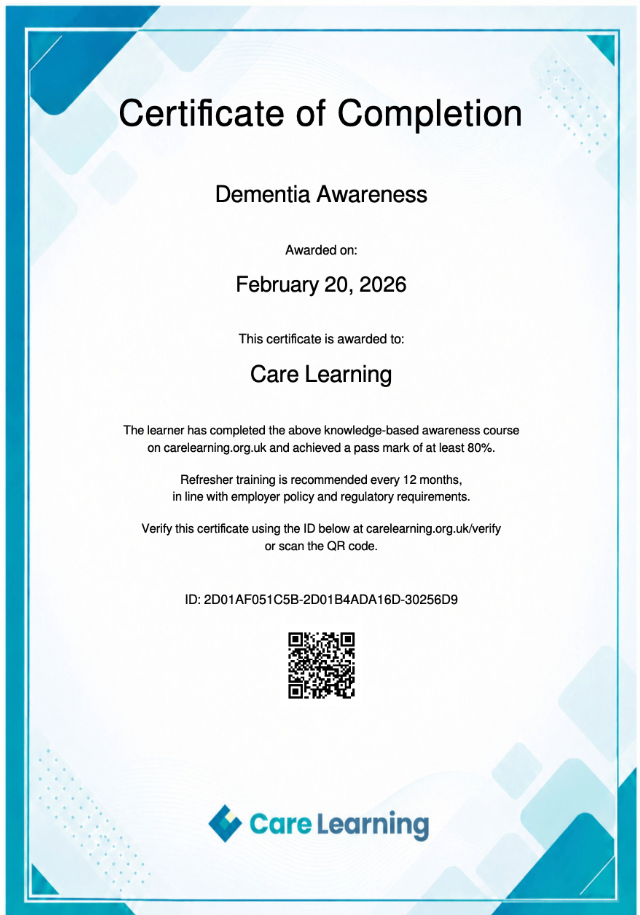
Yes. A certificate is issued after successful completion.
Allyship is an important part of creating fair, respectful and effective workplaces. This course gives learners the knowledge and practical confidence to recognise barriers, support colleagues appropriately and contribute to a culture where inclusion is part of everyday behaviour.
Enrol now to build your understanding of allyship in the workplace.