This Microaggressions Awareness course is designed for workers who want to recognise subtle forms of prejudice, exclusion and unequal treatment. It explains how everyday words, actions and assumptions can affect colleagues and people using services, even where harm was not intended.
This free course covers the history and meaning of the term, examples relating to different identities, the possible cumulative effects of repeated incidents and practical ways to respond. Learners will also explore person-centred communication, constructive reflection, bystander strategies, reporting responsibilities and the role of leaders in developing inclusive workplaces.
Why Take This eLearning Course?
Everyday interactions can influence dignity, trust, participation and a person’s sense of belonging. This course supports staff to examine behaviour carefully, listen to different experiences and take proportionate action without treating every disagreement or mistake as a legal finding.
This course will help you to:
- Recognise words, actions and assumptions that may communicate prejudice or exclusion.
- Understand the difference between intent, impact and context.
- Identify repeated patterns that may be overlooked when incidents are considered separately.
- Communicate respectfully with colleagues and people using services.
- Avoid assumptions about identity, ability, relationships, culture or personal needs.
- Respond calmly when somebody raises a concern.
- Give a clear and constructive apology when behaviour has caused harm.
- Choose safe and appropriate bystander actions.
- Record and report concerns through suitable workplace procedures.
- Contribute to a more inclusive and psychologically safe working environment.
Learning Outcomes
By the end of this course, you will be able to:
- Define microaggressions and describe the history of the term.
- Distinguish between microassaults, microinsults and microinvalidations.
- Explain how intent, impact, context, repetition and power can shape an interaction.
- Recognise examples relating to race, disability, sex, gender reassignment, sexual orientation, religion and belief.
- Describe possible effects on wellbeing, belonging, participation, teamwork and retention.
- Apply person-centred and inclusive approaches during service delivery.
- Reflect on personal assumptions and check automatic judgements.
- Respond appropriately to concerns, including through acknowledgement, apology and changed behaviour.
- Use the 5Ds when deciding how to act as a bystander.
- Explain how reporting systems, leadership and psychological safety support inclusive practice.
Microaggressions Awareness Course Outline
Module 1: Understanding Microaggressions
Learners will explore the definition and history of microaggressions, including the term’s origins in discussions of repeated racial slights and its later application to other marginalised groups. The module explains microassaults, microinsults and microinvalidations, as well as the importance of distinguishing intent from impact. Learners will consider how context, repetition, previous experiences and power differences can affect meaning. The module also places the concept within the UK equality context, explaining that microaggression is an awareness term rather than a separate legal category and outlining relevant protected characteristics, harassment considerations and the Public Sector Equality Duty.
Module 2: Recognising Microaggressions in Everyday Interactions
Learners will examine practical examples involving race, disability, sex, gender reassignment, sexual orientation, religion and belief. The module considers assumptions about names, accents, competence, independence, communication, relationships, leadership, religious practice and participation. Learners will explore why an isolated mistake may differ from a repeated pattern and how respectful questions, direct communication and informed choice can prevent stereotypes from influencing workplace and service interactions.
Module 3: Understanding Cumulative Effects
Learners will consider the “death by a thousand cuts” metaphor and how repeated incidents can create a significant burden over time. The module explores possible effects on emotional wellbeing, psychological safety and a person’s sense of belonging. It also examines how repeated interruption, dismissal or exclusion may influence participation, teamwork, morale, staff retention and service safety. Learners will be encouraged to listen to individual experiences without assuming that everybody will respond in the same way.
Module 4: Inclusive and Person-Centred Service Delivery
Learners will examine how microaggressions may appear when assumptions replace individual assessment during health, care, education or community service delivery. The module contrasts person-centred practice with assumption-led behaviour and considers how stereotyping can affect trust, communication and shared decision-making. Learners will explore practical approaches including addressing people directly, using agreed names, supporting communication needs, providing reasonable adjustments, listening carefully and explaining decisions clearly.
Module 5: Reflecting on Personal Assumptions
Learners will review everyday habits that may reveal unequal expectations or automatic assumptions. This includes language, humour, interruptions, eye contact, body language, recognition, access to opportunities and changing standards of competence or professionalism. The module introduces a simple pause-and-check approach for examining initial judgements before acting. Learners will also consider how to receive feedback constructively, separate behaviour from personal identity and use supervision or further learning to make practical changes.
Module 6: Responding to a Concern
Learners will explore an effective immediate response when somebody identifies a microaggression or raises a concern about exclusion. The module covers stopping and listening, acknowledging what has been said, remaining calm and correcting behaviour promptly. Learners will examine the elements of a meaningful apology, including naming the behaviour, accepting responsibility, recognising the impact and following through on agreed changes. Defensive responses such as denial, minimising, seeking reassurance, blaming or centring personal embarrassment are also addressed.
Module 7: Bystander Action, Reporting and Support
Learners will be introduced to the 5Ds of bystander intervention: Distract, Delegate, Document, Delay and Direct. The module explains how to select an approach according to safety, authority, context and the wishes of the person affected. Learners will also consider when concerns should be reported, how to document factual information and how to protect confidentiality. Appropriate routes may include management, human resources, equality procedures, complaints, Freedom to Speak Up, safeguarding or professional reporting arrangements.
Module 8: Building Inclusive Teams and Organisations
Learners will examine how respectful team conversations, shared standards and reflective learning can address both individual incidents and recurring patterns. The module explains psychological safety and the importance of leaders modelling inclusive behaviour, admitting mistakes, inviting different views and responding fairly to concerns. Learners will also explore practical personal and organisational actions, including accessible reporting routes, consistent leadership, equality impact consideration and the review of themes from feedback, complaints, workforce information and service experience.
Target Audience
This course is suitable for:
- Health and social care employees at all levels.
- Care workers, support workers and healthcare assistants.
- Nurses, allied health professionals and clinical support staff.
- Registered managers, team leaders and supervisors.
- Administrative, reception and service coordination staff.
- Volunteers, students and people preparing for roles in care services.
No previous specialist knowledge is required.
FAQ
Who is this course suitable for?
The course is suitable for staff, managers, volunteers and learners working in health and social care. It is relevant to people who communicate with colleagues, patients, residents, families, carers or members of the public.
Do I need any previous experience?
No previous experience of equality or inclusion training is required. The course introduces the key concepts clearly and uses practical examples from workplace and service settings.
What will I learn on this microaggressions awareness course?
You will learn how to recognise different forms of microaggression, consider intent and impact, identify possible cumulative effects and respond appropriately when a concern is raised. You will also explore bystander strategies, reporting procedures and inclusive leadership.
Will this course help with day-to-day practice?
Yes. The course includes practical approaches for checking assumptions, communicating respectfully, responding to feedback, supporting individual needs and addressing inappropriate behaviour in everyday situations.
Does the course cover practical skills?
The course develops practical communication, reflection and response skills. These include listening without interrupting, acknowledging concerns, apologising effectively, using the 5Ds and recording factual information through approved procedures.
Does it cover relevant responsibilities and good practice?
Yes. The course introduces the protected characteristics under the Equality Act 2010, explains the limits of the term microaggression and considers harassment, the Public Sector Equality Duty, confidentiality, safeguarding and local reporting responsibilities. It does not treat the term itself as a separate legal finding.
How long does the course take?
The course is self-paced and usually takes around 1 hour to complete.
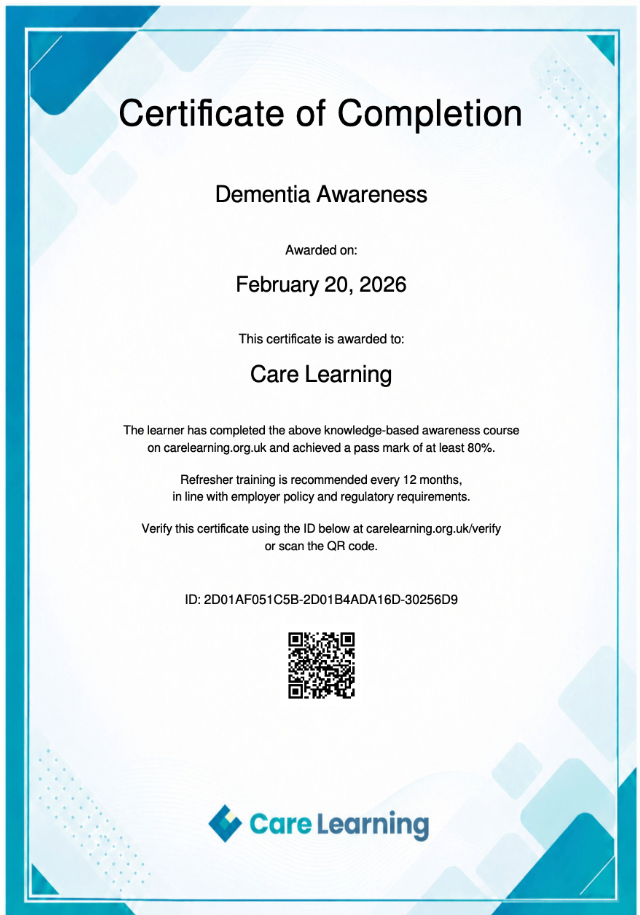
Will I receive a certificate?
Yes. A certificate is issued after successful completion.
Microaggressions Awareness training helps health and social care workers recognise subtle patterns of exclusion and respond with greater confidence, fairness and respect. By applying the approaches covered in this course, learners can support more inclusive teams, safer communication and person-centred services.
Enrol now to build your understanding of microaggressions awareness.