
This foundational course introduces culturally responsive teaching for teachers, subject and curriculum leads, SEND leads and senior leaders. It explores how teaching can recognise pupils’ experiences while retaining ambitious subject learning. It provides awareness-level CPD, rather than a regulated qualification or proof of practical competence, and does not replace safeguarding induction or official guidance.
This free course covers cultural assumptions, careful use of attainment evidence, curriculum representation, classroom relationships, multilingualism and family knowledge. England-specific responsibilities are identified, with attention to the different contexts of schools and further education.
Why Take This eLearning Course?
Teaching decisions can depend on unspoken assumptions about pupils, families and what counts as knowledge. This course supports a more considered understanding of those decisions, with practical principles for subject learning and access.
This course will help you to:
- Recognise pupils as individuals within and across cultural communities.
- Distinguish careful evidence use from assumptions about attainment.
- Consider representation through subject depth and curriculum coherence.
- Notice the difference between meaningful inclusion and tokenism.
- Connect high expectations with appropriate learning support.
- Understand language access and family knowledge without intrusive enquiries.
Learning Outcomes
By the end of this course, you will be able to:
- Define culturally responsive teaching without assigning fixed traits to ethnic groups.
- Describe Geneva Gay’s contribution and the limits of transferring research between settings.
- Explain how to interpret dated attainment data and distinguish association from causation.
- Identify features of accurate and meaningfully representative curriculum materials.
- Describe respectful relationships and fair opportunities to participate.
- Explain distinctions between multilingualism, EAL and SEND.
- Outline respectful family communication within the setting’s arrangements.
- Identify responsibilities for sustained reflection, review and safe teaching.
Culturally Responsive Teaching Course Outline
The course contains six modules and 24 concise teaching lessons, with a final subject recap. Each module builds a different part of understanding culturally responsive teaching.
Module 1: Understand culture and teaching
Learners will explore the meaning of responsive teaching and the contribution of Geneva Gay’s scholarship. This module explains changing and overlapping identities, variation within groups and the assumptions that can enter classroom judgements. It distinguishes knowledge about wider cultural contexts from evidence about an individual pupil.
Module 2: Know how to interpret evidence and inequality
Learners will examine how source, year, measure and cohort affect the interpretation of attainment data. The module addresses historical England data about Black Caribbean boys and Gypsy, Roma and Traveller pupils without treating group averages as individual predictions. It also distinguishes economic disadvantage from ethnicity and explains why evidence for a particular teaching programme cannot guarantee results elsewhere.
Module 3: Understand meaningful curriculum representation
Learners will consider diverse histories and contributions through accurate subject teaching. This module connects representation with curriculum coherence, suitable materials, accessibility and lawful resource use. It explains how sustained learning differs from superficial additions or asking a pupil to represent a community.
Module 4: Know how relationships support participation
Learners will explore recognition, reliability and fair opportunities to contribute. The module connects ambitious learning with clear explanations, appropriate support and attention to individual needs. It also explains pupil voice as voluntary personal experience, rather than an obligation to disclose or speak for a group.
Module 5: Understand language and family knowledge
Learners will distinguish multilingualism and EAL from SEND, while recognising that language and additional needs can overlap. This module introduces the value of knowledge developed outside school and explains respectful communication with families. It considers accessible contact, language support and proportionate information handling.
Module 6: Know how to sustain responsive practice
Learners will consider equality and pupil-safety responsibilities through current official guidance and local policies. The module explains review through both pupil experience and subject learning, alongside the responsibilities of teachers, curriculum leads, specialists and senior leaders. A concise recap brings curriculum, evidence, relationships and access together.
Target Audience
This course is suitable for:
- Primary and secondary teachers.
- Heads of department and subject leaders.
- SEND leads and inclusion colleagues.
- Curriculum designers in schools, academies and colleges.
- Senior leaders in mainstream and special-school settings.
No previous specialist knowledge is required.
FAQ
Who is Culturally Responsive Teaching suitable for?
It is designed for education staff who want a foundational understanding of culture, curriculum and classroom relationships. Its teaching principles have relevance across school phases, with FE context distinguished where responsibilities differ.
Do I need any previous experience?
No specialist knowledge of this topic is required. Familiarity with an education setting may help connect the concepts with professional discussion.
What will I learn about curriculum representation?
You will learn how accuracy, context and a clear subject purpose distinguish meaningful representation from a decorative addition. The course also explains how representation and a coherent learning sequence can support one another.
Will the course tell me how particular cultural groups learn?
It explains why cultural background cannot determine an individual pupil’s preferred teaching method or ability. The focus is on respectful understanding and evidence about the pupil and the learning.
Does the course cover evidence about attainment?
Yes. It explains careful interpretation of dated England statistics and evidence for related teaching approaches, including limits on drawing causal conclusions or transferring findings between settings.
Does it cover relevant responsibilities or good practice?
It signposts equality and safeguarding responsibilities and distinguishes current England guidance from general teaching principles. It also addresses appropriate information handling and ongoing professional review.
How long does the course take?
The course is self-paced and usually takes around 1 hour to complete.
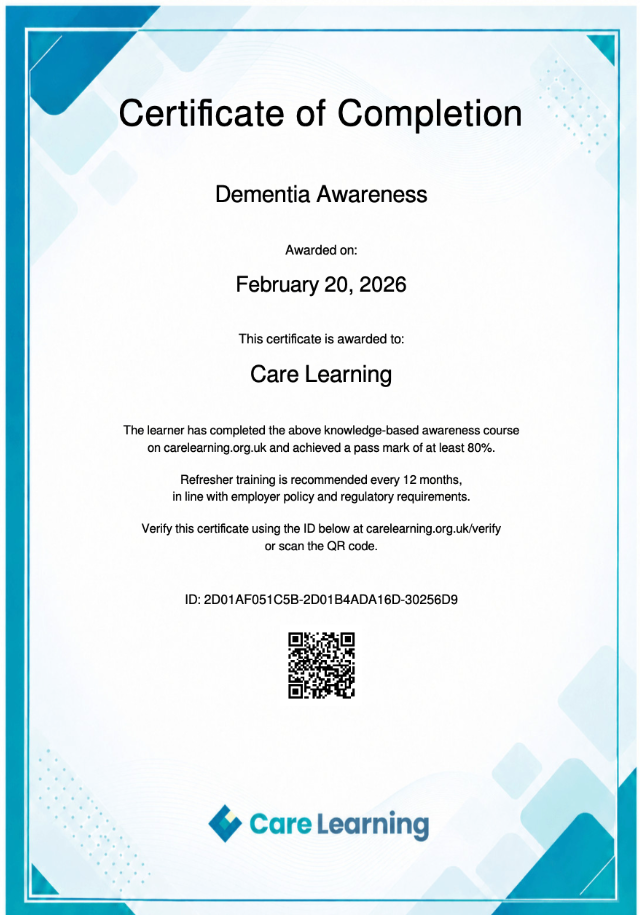
Will I receive a certificate?
Yes. A certificate is issued after successful completion.
Build a clearer understanding of how curriculum choices, relationships and evidence can support responsive teaching. The course offers a concise foundation for continued professional discussion within your setting.
Enrol now to build your understanding of culturally responsive teaching.