
This Compassionate Leadership course is designed for managers, team leaders, senior staff and professionals who want to lead with clarity, empathy and accountability. It explores how compassionate leadership can support wellbeing, engagement, trust and performance in UK workplaces, without lowering standards or avoiding difficult decisions.
This free course covers the core behaviours of compassionate leadership, including attending, understanding, empathising and helping. Learners will also explore self-compassion, resilient leadership habits, active listening, psychological safety, inclusive team culture, difficult conversations, conflict resolution and practical ways to embed compassionate leadership into everyday systems.
Why Take This eLearning Course?
Compassionate leadership matters because the way people are led affects how safe, valued and able to contribute they feel at work. This course supports learners to develop practical behaviours that strengthen communication, team culture and responsible decision-making.
This course will help you to:
- Understand what compassionate leadership means in everyday practice
- Recognise how compassion supports wellbeing, engagement and performance
- Challenge common myths about compassion and accountability
- Use practical communication habits that build trust
- Give feedback with respect while keeping expectations clear
- Support psychological safety and fair participation in teams
- Identify barriers such as stress, time pressure and blame culture
- Prepare more effectively for difficult conversations
- Balance empathy with standards, fairness and boundaries
- Create a practical action plan for continued leadership development
Learning Outcomes
By the end of this course, you will be able to:
- Define compassionate leadership and explain how it differs from simply “being nice”
- Describe the link between compassion, staff engagement and wellbeing at work
- Identify the four core elements of compassion in leadership
- Recognise what attending, understanding, empathising and helping look like in practice
- Explain how self-compassion supports resilience and better decision-making
- Use active listening and empathetic dialogue in management conversations
- Identify language patterns that build trust and psychological safety
- Recognise signs of unsafe micro-cultures and exclusion
- Prepare for conflict, performance and boundary conversations with compassion
- Develop a 30–60 day action plan to embed compassionate leadership behaviours
Compassionate Leadership Course Outline
Module 1: Understanding Compassionate Leadership
Learners will explore what compassionate leadership means and how it differs from simply being nice or avoiding discomfort. This module explains the relationship between compassion, staff engagement and wellbeing at work, while addressing common myths about compassion and performance. It also introduces where compassionate leadership is used in UK leadership practice, including team culture, service improvement, supervision and organisational change.
Module 2: Core Compassionate Leadership Behaviours
Learners will examine the four core elements often used in compassionate leadership models: attending, understanding, empathising and helping. The module looks at how focused attention, listening and presence support better management conversations, and how helping can be shown through wise action such as removing barriers, clarifying priorities and making fair decisions. It also covers common barriers to compassion, including time pressure, stress, blame culture and emotional fatigue.
Module 3: Self-Compassion, Resilience and Reflective Practice
Learners will consider how self-compassion supports steadier leadership under pressure. This module explains how stress can affect judgement, listening and decision-making, and helps learners identify personal triggers such as fatigue, overload and conflict avoidance. It also introduces practical self-care habits and reflective routines, including journalling, debriefs, supervision, peer support and prompt-based reflection.
Module 4: Compassionate Communication in Management
Learners will develop their understanding of active listening and empathetic dialogue in one-to-ones, team meetings and change conversations. This module explores how language can build or weaken trust, with a focus on clarity, curiosity, respect, non-judgement and honest limits. It also covers how to give compassionate feedback that remains specific, fair and accountable, and how to communicate with steadiness during pressure, uncertainty or organisational change.
Module 5: Psychological Safety and Inclusive Team Culture
Learners will explore psychological safety and why it matters for performance, speaking up and organisational learning. This module looks at how compassionate leadership supports inclusion, fair participation and belonging by helping leaders notice who is heard, who may be overlooked and where barriers exist. It also covers signs of unsafe micro-cultures, such as silence, fear of blame, cliques and uneven participation, before introducing practical culture-building actions such as check-ins, learning reviews and inclusive meeting habits.
Module 6: Conflict, Performance, Boundaries and Escalation
Learners will examine how to prepare for difficult conversations by considering facts, impact, emotions and desired outcomes. This module covers compassionate approaches to conflict resolution and problem-solving, including listening to different perspectives, separating the person from the problem and agreeing clear next steps. It also explains how to balance compassion with standards, accountability and fairness, and when to escalate concerns or signpost support through routes such as HR, occupational health, employee assistance programmes or safeguarding routes where relevant.
Module 7: Embedding Compassionate Leadership in Everyday Systems
Learners will consider how compassionate leadership becomes visible through regular routines rather than one-off statements. This module covers role-modelling through huddles, supervision, debriefs, recognition, follow-through and calm communication under pressure. It also explains simple ways to measure progress, such as pulse checks, retention signals, team feedback and reflective logs, before helping learners support colleagues through coaching, peer learning and mentoring. The course ends by guiding learners to create a realistic personal action plan for the next 30–60 days.
Target Audience
This course is suitable for:
- Managers and team leaders who want to strengthen their leadership practice
- Senior staff with responsibility for supporting colleagues or teams
- Supervisors involved in one-to-ones, feedback and staff development
- Professionals leading teams through pressure, change or uncertainty
- HR, organisational development and learning professionals
- Staff preparing for leadership or management responsibilities
No previous specialist knowledge is required.
FAQ
Who is this course suitable for?
This course is suitable for managers, team leaders, supervisors, senior staff and professionals who want to lead in a way that combines empathy, clarity, accountability and practical support.
Do I need any previous experience?
No previous specialist knowledge is required. The course introduces compassionate leadership in clear, practical terms and is suitable for both new and experienced leaders.
What will I learn on this course?
You will learn what compassionate leadership means, how it supports wellbeing and performance, and how to apply it through communication, feedback, conflict resolution, inclusive team culture and everyday management routines.
Will this Compassionate Leadership course help with day-to-day management?
Yes. The course focuses on practical leadership behaviours that can be used in one-to-ones, team meetings, supervision, feedback discussions, change conversations and difficult workplace situations.
Does the course cover practical skills?
Yes. It covers active listening, empathetic dialogue, trust-building language, compassionate feedback, preparation for difficult conversations, reflective practice and personal action planning.
Does it cover relevant responsibilities or good practice?
Yes. The course supports good leadership practice by helping learners balance compassion with standards, accountability, fairness, escalation and appropriate signposting to support where needed.
How long does the course take?
The course is self-paced and usually takes around 1 hour to complete.
Will I receive a certificate?
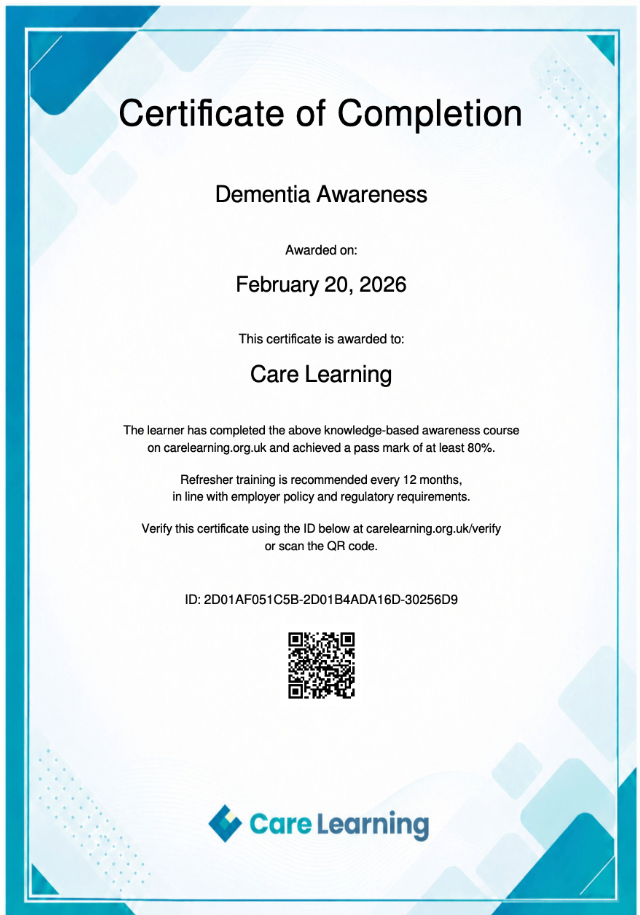
Yes. A certificate is issued after successful completion.
Compassionate leadership helps create workplaces where people feel heard, respected and able to contribute, while maintaining clear standards and responsible decision-making. This course gives learners practical tools to lead with greater awareness, steadiness and confidence.
Enrol now to build your understanding of compassionate leadership.