
This contextual safeguarding course is designed for professionals and volunteers who work with children, young people or families. It explains how harm can happen outside the family home, including in peer groups, schools, neighbourhoods, public places and digital spaces.
This free course covers extra-familial harm, common indicators of exploitation, safe information gathering, professional curiosity, context mapping, safety planning, escalation, multi-agency working and prevention. It supports learners to recognise wider patterns of risk and respond in a calm, proportionate and child-centred way.
Why Take This eLearning Course?
Contextual safeguarding matters because children and young people are influenced by the people, places and online spaces around them. This course helps learners look beyond individual incidents and understand the wider context in which harm may occur.
This course will help you to:
- Understand what contextual safeguarding means in practice.
- Recognise extra-familial harm and exploitation.
- Identify risks linked to peers, places and online spaces.
- Notice possible indicators of harm without making assumptions.
- Gather and record safeguarding concerns safely.
- Use professional curiosity to explore hidden or complex risks.
- Understand how context mapping supports safer planning.
- Respond appropriately when concerns need urgent action.
- Work more effectively with safeguarding partners.
- Support prevention through safer environments and trusted relationships.
Learning Outcomes
By the end of this course, you will be able to:
- Define contextual safeguarding and explain why it is important.
- Describe different forms of extra-familial harm.
- Identify common contextual risks affecting children and young people.
- Recognise signs that may indicate exploitation or wider harm.
- Gather, record and share concerns through appropriate safeguarding routes.
- Apply professional curiosity when information is unclear or incomplete.
- Identify protective and harmful factors across family, peers, places and online spaces.
- Explain immediate safeguarding actions and escalation routes.
- Describe the role of multi-agency working in contextual safeguarding.
- Review whether safeguarding plans are reducing risk in the wider context.
Contextual Safeguarding Course Outline
Module 1: Understanding Contextual Safeguarding
Learners will explore what contextual safeguarding means and how it differs from approaches focused only on home life or parenting capacity. This module explains extra-familial harm, the influence of peer groups, public places and online spaces, and why professionals need to consider the wider context around a child. It also introduces the roles of education staff, care and health staff, and community partners in recognising patterns of concern.
Module 2: Recognising Contextual Risk and Exploitation
Learners will examine common examples of contextual risk, including peer abuse, sexual exploitation, criminal exploitation, serious youth violence, bullying, harassment and online harm. The module explains how exploitation can affect young people through grooming, coercion, fear, dependency, isolation and health impacts. It also covers possible indicators of harm and shows how risky contexts may exist across public places and digital environments.
Module 3: Gathering Information and Understanding the Wider Picture
Learners will consider how to gather concerns safely by listening carefully, recording clearly, separating fact from opinion and checking wider patterns. This module introduces professional curiosity, protective and harmful factors, and the value of looking across family relationships, trusted adults, peers, places and online spaces. It also explains context mapping as a practical way to understand where a young person may feel safe, unsafe or under pressure.
Module 4: Safeguarding Responses, Safety Planning and Escalation
Learners will review immediate safeguarding actions, including following local procedures, reporting concerns promptly and contacting emergency services where there is immediate danger. This module explains how to create realistic safety plans involving safe contacts, routes, places, online actions, peer planning and shared agency roles. It also covers support options such as family help, children’s social care, education support, youth services, police support and specialist services, as well as when concerns should be escalated.
Module 5: Multi-Agency Working and Information Sharing
Learners will explore why multi-agency working is essential when harm crosses settings, relationships and service boundaries. The module describes the role of statutory safeguarding partners in England, education settings and community services. It also explains appropriate information sharing, including relevance, necessity, proportionality, prompt action and accurate recording, alongside the role of parents and carers where it is safe to involve them.
Module 6: Context-Focused Intervention, Prevention and Review
Learners will understand how context-focused interventions aim to make risky places, groups, activities or online spaces safer. This module gives examples of prevention work through safer environments, trusted relationships, early conversations and online safety education. It also explains how to involve young people meaningfully, adapt communication to their needs and review progress by checking whether the context has become safer, not only whether the young person has followed a plan.
Target Audience
This course is suitable for:
- Health and social care workers who support children, young people or families.
- Teachers, pastoral staff, safeguarding leads and education professionals.
- Youth workers, outreach staff and community volunteers.
- Police, community safety and local authority staff involved in safeguarding.
- Voluntary sector, faith group, sports setting and community service workers.
- Managers and supervisors responsible for safeguarding practice.
No previous specialist knowledge is required.
FAQ
Who is this course suitable for?
This course is suitable for professionals and volunteers who may identify or respond to safeguarding concerns involving children and young people. It is relevant to staff in health, social care, education, youth work, community safety and voluntary sector settings.
Do I need any previous experience?
No previous specialist knowledge is required. The course introduces contextual safeguarding clearly and is suitable for learners who need a practical understanding of harm outside the family home.
What will I learn on this contextual safeguarding course?
You will learn what contextual safeguarding means, how extra-familial harm can occur, what indicators may suggest risk, and how professionals can gather concerns, record information, share appropriately and support safer planning.
Will this course help with day-to-day practice?
Yes. The course focuses on practical safeguarding awareness, including recognising patterns, asking calm and appropriate questions, avoiding blame, following local procedures and working with other services.
Does the course cover practical skills?
Yes. It covers practical approaches such as professional curiosity, context mapping, safe recording, safety planning, escalation and reviewing whether actions are reducing risk.
Does it cover relevant responsibilities or good practice?
Yes. The course covers good safeguarding practice in England, including local procedures, proportionate information sharing, multi-agency working, escalation and the importance of keeping the child’s safety and lived experience central.
How long does the course take?
The course is self-paced and usually takes around 1 hour to complete.
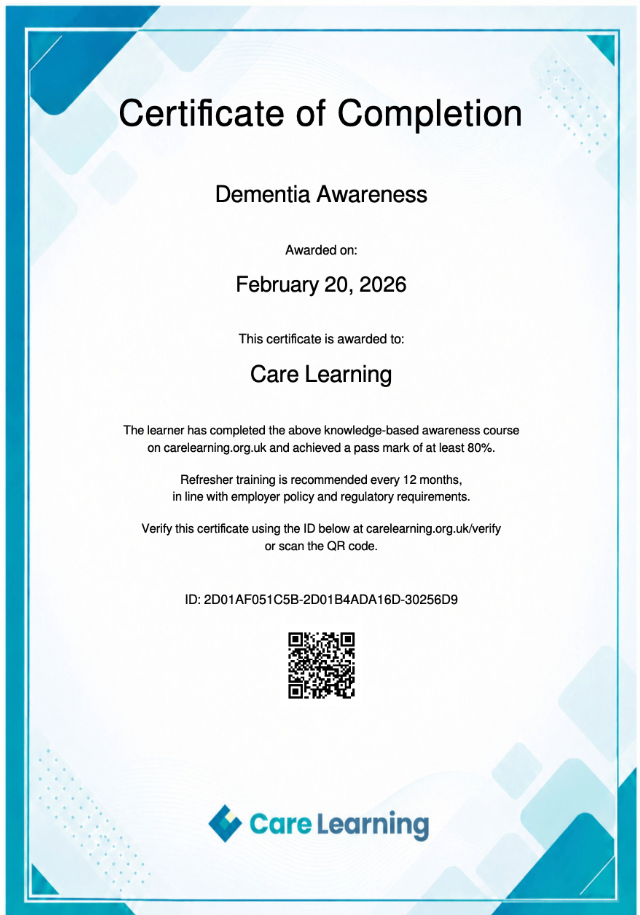
Will I receive a certificate?
Yes. A certificate is issued after successful completion.
This contextual safeguarding training gives learners a clear foundation for recognising harm beyond the home and responding in a professional, non-blaming and coordinated way. It supports safer decision-making by helping workers understand the wider environments that affect children and young people.
Enrol now to build your understanding of contextual safeguarding.