
This Safeguarding Children Level 1 course is designed for healthcare staff and others working in health and social care settings who may come into contact with children, young people, parents or carers. It explains what safeguarding means, why children’s welfare matters, and how staff can act within their role when something raises concern.
This free course covers the meaning of safeguarding and child protection, common types and signs of abuse or neglect, exploitation risks, children who may be more vulnerable to harm, safe reporting, factual recording, information sharing and relevant UK safeguarding guidance.
This Safeguarding Children Level 1 course content has been mapped to the learning outcomes of the Core Skills Training Framework (CSTF) Safeguarding Children Level 1. It is intended as general Level 1 awareness learning for health and social care staff. Completion of this course does not, on its own, evidence organisational CSTF declaration, trainer/facilitator competence, local policy induction, role-specific competence, or employer assurance. Organisations using this course should assure its suitability for their staff, local procedures and statutory/mandatory training records.
Why Take This eLearning Course?
Safeguarding children is a shared responsibility across healthcare services. This course supports Level 1 staff to recognise possible concerns, respond calmly and follow the correct local procedures without stepping beyond their role.
This course will help you to:
- Understand what safeguarding children means in a healthcare context
- Recognise possible indicators of abuse, neglect and exploitation
- Know why every member of staff has a role in safeguarding
- Respond appropriately if a child discloses harm
- Record concerns clearly, factually and securely
- Report concerns through the correct local route
- Understand when to seek advice or escalate a concern
- Recognise risks linked to online activity, trafficking and radicalisation
- Consider how parental or carer needs may affect a child
- Avoid unsafe responses such as delaying, investigating or promising secrecy
Learning Outcomes
By the end of this course, you will be able to:
- Explain the difference between safeguarding and child protection
- Describe the responsibilities and limits of a Level 1 safeguarding role
- Identify common types of child maltreatment
- Recognise possible signs of physical, emotional and sexual abuse
- Recognise possible signs of neglect in healthcare settings
- Describe safeguarding risks linked to exploitation, trafficking and online harm
- Explain how added vulnerability may affect a child’s safety or communication
- Respond safely when a child may be at immediate risk
- Record safeguarding concerns using clear factual information
- Follow local reporting, escalation and information sharing procedures
Safeguarding Children Level 1 Course Outline
Module 1: Understanding Safeguarding Children
Learners will explore what safeguarding children means and how it supports the safety, welfare, rights and best interests of children and young people. This module explains the difference between safeguarding and child protection, introduces abuse, neglect and harm, and reinforces that Level 1 staff are not expected to investigate concerns. Learners will also consider why safeguarding is everyone’s responsibility, how small observations can contribute to a wider picture, the importance of children’s rights, and the core Level 1 duties to recognise, record and report concerns.
Module 2: Recognising Abuse, Neglect and Concern
Learners will examine common forms of child maltreatment, including physical abuse, emotional abuse, sexual abuse, neglect, grooming, exploitation and domestic abuse. This module explains possible indicators such as injuries, behaviour changes, fearfulness, sexualised behaviour, disclosures and concerns raised by others. Learners will also consider signs of neglect, including unmet basic care needs, poor supervision and repeated missed appointments, as well as how safeguarding concerns may appear through everyday observations, interactions and healthcare records.
Module 3: Exploitation, Harmful Practices and Online Risks
Learners will build awareness of safeguarding risks that may be hidden, complex or linked to coercion. This module covers child trafficking, modern slavery, sexual exploitation, criminal exploitation, county lines and missing episodes. It also introduces harmful practices, coercive abuse and radicalisation as safeguarding concerns, including the importance of Prevent routes where relevant. Learners will also review risks linked to electronic media and online activity, including grooming, bullying, harmful content, unsafe contact and the need to avoid handling sexual images or investigating online concerns independently.
Module 4: Vulnerability, Family Circumstances and Hidden Harm
Learners will consider why some children may face additional barriers to safety, support or communication. This module looks at children in care, care leavers, children in kinship or residential arrangements, children with disabilities, unaccompanied asylum-seeking children, young carers and children who go missing. It also explains how parental or carer needs, including mental health needs, physical illness, substance misuse, alcohol misuse, learning disability and combined pressures, may affect a child’s welfare. Learners will also review the impact of domestic abuse and less obvious patterns such as controlled communication or repeated missed healthcare contact.
Module 5: Responding, Reporting and Recording
Learners will focus on what to do when a safeguarding concern arises. This module explains how to respond if a child appears to be at immediate risk, including seeking urgent help and following emergency procedures. Learners will review common reporting routes, such as line managers, safeguarding leads, named professionals and local policies. The module also covers safe recording, including dates, times, observations, the child’s own words, actions taken and secure storage. Learners will also consider when to seek advice, escalate unresolved concerns, report concerns about colleagues or use speaking-up routes.
Module 6: Safeguarding Frameworks, Confidentiality and Safe Practice
Learners will develop awareness of the legal and procedural framework that supports safeguarding children. This module introduces key UK safeguarding legislation and guidance, including the Children Acts, relevant laws on exploitation and harmful practices, and the devolved context across the UK. It explains the role of Working Together to Safeguard Children in England and the importance of shared responsibility across agencies. Learners will also review confidentiality, proportionate information sharing, secure records and common mistakes to avoid, including ignoring concerns, delaying reporting, asking leading questions, investigating or confronting alleged perpetrators.
Target Audience
This course is suitable for:
- Healthcare staff who may come into contact with children or families
- Reception, administrative, domestic, porter and support staff in healthcare settings
- Volunteers working in health or related services
- New starters who need Level 1 safeguarding children awareness
- Staff who need to understand how to recognise, record and report concerns
- Organisations providing introductory safeguarding training for non-specialist staff
No previous specialist knowledge is required.
FAQ
Who is this course suitable for?
This course is suitable for healthcare and health and social care staff who may come into contact with children, young people, parents or carers. It is aimed at Level 1 staff who need safeguarding awareness rather than specialist child protection training.
Do I need any previous experience?
No. This is an introductory course and no previous safeguarding knowledge is required. It explains the key responsibilities clearly and focuses on what staff should notice, record and report within a Level 1 role.
What will I learn on this course?
You will learn what safeguarding children means, how to recognise possible signs of abuse, neglect and exploitation, how children’s rights shape safe practice, and how to report and record concerns through local procedures.
Will this Safeguarding Children Level 1 course help with day-to-day practice?
Yes. The course uses everyday healthcare examples such as waiting areas, clinics, reception spaces, records, appointments and conversations with children or carers. It helps staff understand how concerns may appear during routine contact.
Does the course cover practical skills?
Yes. It covers practical safeguarding actions such as listening calmly, avoiding leading questions, making factual records, using the child’s own words where relevant, reporting promptly and seeking advice when unsure.
Does it cover relevant responsibilities or good practice?
Yes. The course covers Level 1 safeguarding responsibilities, role boundaries, confidentiality, information sharing, escalation, local procedures and awareness of relevant UK safeguarding legislation and England-focused statutory guidance.
How long does the course take?
The course is self-paced and usually takes around 1 hour to complete.
Will I receive a certificate?
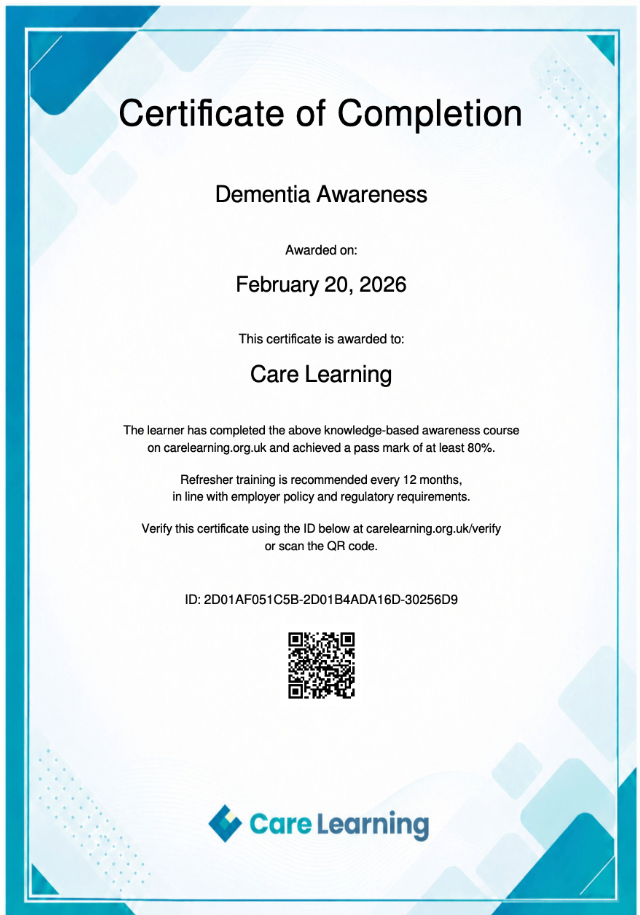
Yes. A certificate is issued after successful completion.
This Safeguarding Children Level 1 course gives staff a clear and practical foundation for recognising possible harm and taking the right action. It supports safe, calm and proportionate responses that help protect children while keeping staff within their role.
Enrol now to build your understanding of safeguarding children.