
This Drug and Alcohol Awareness for Youth Workers course is designed for youth workers, project staff, outreach workers and others who support young people in community, school and youth service settings. It helps learners understand substance-related risks, communicate safely with young people and respond within appropriate role boundaries.
This course covers key terminology, common patterns of use, risk and protective factors, UK guidance, harm reduction, supportive conversations, disclosures, referrals, recording, information-sharing and practical responses in youth centres, schools and outreach work.
Why Take This eLearning Course?
Drug and alcohol concerns can affect young people’s safety, wellbeing, relationships and access to support. This eLearning course helps youth workers respond calmly, avoid assumptions and use clear procedures when concerns arise.
This course will help you to:
- Understand key drug and alcohol awareness terms in plain language.
- Recognise how patterns of use may vary between young people and communities.
- Identify factors that can increase or reduce risk.
- Avoid stereotypes and use respectful, neutral language.
- Understand the limits of the youth worker role.
- Share safe awareness messages without giving drug-use instructions.
- Respond supportively to disclosures and signs of need.
- Know when safeguarding, emergency action or specialist referral may be required.
- Make warm referrals using safe and proportionate information-sharing.
- Support consistent practice across youth work settings.
Learning Outcomes
By the end of this course, you will be able to:
- Define key terms used in drug and alcohol awareness.
- Describe common patterns of substance use among young people in the UK.
- Identify risk factors and protective factors linked to substance-related harm.
- Explain why assumptions, stigma and stereotypes can damage trust.
- Describe relevant UK guidance and trusted information sources.
- Explain the limits of the youth worker role when responding to concerns.
- Identify when local policy, safeguarding procedures or emergency action is needed.
- Describe harm reduction and safe awareness messages in youth work.
- Use supportive, strength-based questions when speaking with young people.
- Explain how to record, share information and refer appropriately.
Drug and Alcohol Awareness for Youth Workers Course Outline
Module 1: Understanding Substance Use and Risk
Learners will explore key terms used in drug and alcohol awareness, including substances, drugs, alcohol, vaping, nicotine, new psychoactive substances, intoxication, dependence, risk and harm reduction. This module also looks at common patterns of use among young people in the UK and explains why youth workers should rely on current trusted information and local insight rather than assumptions. Learners will consider risk and protective factors, including peer pressure, trauma, mental wellbeing, trusted relationships, positive activities and access to support.
Module 2: Guidance, Boundaries and Safe Escalation
Learners will review relevant UK guidance and information sources, including local organisational procedures, FRANK, NHS advice, NICE guidance, national strategy and clinical drug misuse guidance. The module explains how youth workers can offer early support, basic information, harm reduction messages, factual recording and signposting while staying within role boundaries. Learners will also identify when local policy, safeguarding procedures or emergency action is needed, including situations involving possession, intoxication, exploitation, disclosure, medical concern or immediate danger.
Module 3: Harm Reduction and Safe Awareness Messages
Learners will examine harm reduction in youth work and how it supports safer choices without encouraging substance use or replacing specialist advice. This module covers safe awareness messages about alcohol, vaping, recreational drugs, new psychoactive substances, overdose concerns, looking after friends and seeking early support. Learners will also consider how to challenge myths without shame, including myths about how common substance use is, legal status, vaping and asking for help.
Module 4: Supportive Conversations and Disclosures
Learners will develop their understanding of supportive, respectful conversations with young people. This module explains how to use calm communication, open questions, active listening, confidentiality boundaries and consent where appropriate. Learners will identify signs that a young person may want or need help, including visible changes, raised concerns and disclosures. The module also covers how to respond to disclosures, record facts, follow procedures and use strength-based questions that focus on goals, safety, support and the young person’s own strengths.
Module 5: Signposting, Specialist Support and Warm Referrals
Learners will explore local and wider support options, including commissioned drug and alcohol services, school pastoral support, general practitioners, mental health routes, safeguarding contacts, FRANK and emergency services. This module explains when referral to specialist services may be needed, including frequent or escalating substance use, dependence, withdrawal, overdose risk, alcohol-related harm, mental health concerns, self-harm, exploitation, homelessness or pregnancy. Learners will also understand how to make a warm referral by agreeing what will be shared, supporting the young person practically and sharing information safely.
Module 6: Practical Responses and Consistent Practice
Learners will consider practical responses to substance-related concerns in youth centres, schools and outreach settings. This includes responding to intoxication, suspected possession, peer influence, conflict, lone working and outreach safety. The module also covers factual recording, confidentiality limits, safe information-sharing and common mistakes to avoid, such as moralising, promising secrecy, gossiping or giving detailed drug-use instructions. Learners will also look at how project leads can support consistent practice through supervision, service directories, staff briefings, incident review, referral pathways and partnership links.
Target Audience
This course is suitable for:
- Youth workers and youth support staff.
- Outreach and detached youth work teams.
- School-based pastoral and support staff.
- Community project staff working with young people.
- Volunteers supporting young people in youth settings.
- Project leads and managers responsible for youth work practice.
No previous specialist knowledge is required.
FAQ
Who is this course suitable for?
This course is suitable for youth workers, outreach teams, school support staff, community project workers, volunteers and managers who may need to respond to drug, alcohol or vaping concerns involving young people.
Do I need any previous experience?
No previous specialist knowledge is required. The course introduces key terms and practical responsibilities in clear language, making it suitable for new and experienced staff.
What will I learn on this course?
You will learn about substance-related terminology, patterns of use, risk and protective factors, role boundaries, harm reduction, safe awareness messages, disclosures, referrals, recording and information-sharing.
Will this course help with day-to-day practice?
Yes. The course focuses on realistic youth work situations, including supportive conversations, signs of need, local procedures, safeguarding concerns, emergency action and warm referrals.
Does the drug and alcohol awareness course cover practical skills?
Yes. It covers practical approaches such as using neutral language, asking strength-based questions, responding calmly to disclosures, checking safety, recording facts and signposting young people to suitable support.
Does it cover relevant responsibilities or good practice?
Yes. The course explains role boundaries, confidentiality limits, safeguarding escalation, emergency action, factual recording, safe information-sharing and the importance of following local procedures.
How long does the course take?
The course is self-paced and usually takes around 1 hour to complete.
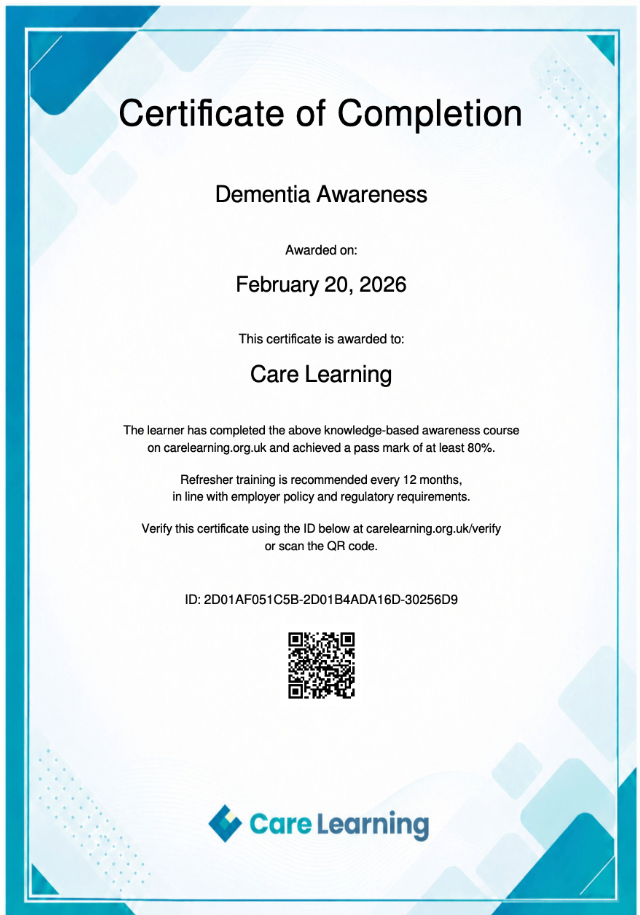
Will I receive a certificate?
Yes. A certificate is issued after successful completion.
Drug and Alcohol Awareness for Youth Workers supports safe, consistent and respectful practice when working with young people. It helps learners understand risk, keep communication open and take appropriate action when support, referral or safeguarding may be needed.
Enrol now to build your understanding of drug and alcohol awareness for youth workers.