The Employing and Managing a Personal Assistant course is designed for people who employ, or are preparing to employ, a Personal Assistant (PA) to provide agreed care and support. It is also suitable for family members, authorised representatives and professionals who help people manage direct payments and individual employment arrangements in England.
This free course provides practical guidance across the employment journey, from understanding employer responsibilities and planning the PA role through to recruitment checks, written employment arrangements, payroll, insurance, safe working, record keeping and managing the working relationship. It also explains when specialist advice may be needed and where individual employers can find local and national support.
Why Take This eLearning Course?
Employing a PA can give a person greater choice and control over how their support is arranged, but becoming an individual employer also brings important practical and employment responsibilities. This course helps learners understand those responsibilities and approach recruitment, day-to-day management and employment decisions in a clear, organised and person-led way.
This course will help you to:
- Understand the different responsibilities of a PA, individual employer and people providing employment support.
- Plan a PA role around the person’s needs, preferences and agreed outcomes.
- Approach recruitment checks and employment arrangements more confidently.
- Understand the basics of payroll, PAYE and wider employment costs.
- Plan for PA holidays, sickness and other periods of absence.
- Support safer working in the home and community.
- Keep appropriate employment, payroll and personal information securely.
- Build a positive and respectful working relationship with a PA.
- Address feedback, performance concerns and difficult conversations appropriately.
- Recognise when to seek specialist employment, safeguarding or safety advice.
Learning Outcomes
By the end of this course, you will be able to:
- Define the roles and responsibilities of a Personal Assistant and individual employer.
- Explain how direct payments may be used to employ a PA.
- Plan duties, hours, skills requirements and boundaries for a PA role.
- Identify appropriate pre-employment checks and induction arrangements.
- Explain how pay, working hours and employment terms should be agreed and recorded.
- Describe the basics of payroll, PAYE, employee entitlements and employer costs.
- Explain the importance of insurance, contingency planning and safe working arrangements.
- Describe good practice for records, confidentiality and handling personal information.
- Apply practical approaches to feedback, performance concerns and difficult employment conversations.
- Identify suitable local and national sources of support and specialist advice.
Employing and Managing a Personal Assistant Course Outline
Module 1: Understanding the PA and Individual Employer Relationship
Learners will explore the role of a Personal Assistant and the responsibilities that come with becoming an individual employer. The module explains how direct payments can support person-led care arrangements, the difference between directly employing a PA and using an agency, and how responsibility may be shared with family members, support brokers, payroll providers or other services without transferring the employer role automatically. It also considers the importance of identifying who has authority to make employment decisions.
Module 2: Planning, Recruiting and Inducting a Personal Assistant
Learners will examine how to plan a PA role around the person’s actual support needs, including the purpose of the role, working hours, flexibility, required skills and appropriate boundaries. The module covers recruitment checks such as right-to-work checks, references and consideration of DBS eligibility, as well as job offers, written employment particulars, pay, hours and employment procedures. It also explains how to provide a practical induction covering person-led support, safe working, confidentiality, record keeping and routes for raising concerns.
Module 3: Pay, Payroll and Ongoing Employment Arrangements
Learners will develop an understanding of how pay, hours and duties should be agreed and recorded, including the importance of meeting applicable wage and working time requirements. The module introduces payroll and PAYE, pay records, deductions, payslips, HMRC reporting and the role of payroll support services. It also considers wider employment costs and responsibilities such as holiday, sickness, statutory leave, employer National Insurance, insurance and workplace pension duties, together with the need for contingency arrangements when a PA is unavailable.
Module 4: Insurance, Safe Working and Employment Records
Learners will explore the purpose of Employers’ Liability insurance and the importance of arranging suitable cover where required. The module considers practical ways to support safe working in the person’s home and in community settings, including foreseeable risks, equipment, training, lone working and emergency arrangements. Learners will also examine the importance of accurate employment and payroll records, confidentiality, appropriate handling of personal information and secure storage, before considering when serious safety, safeguarding, employment or legal concerns need further advice or escalation.
Module 5: Managing the Working Relationship and Employment Concerns
Learners will consider how clear expectations and respectful communication can support a positive working relationship between an employer and PA, including where the PA is also a friend or relative. The module explains how to give constructive feedback, distinguish between skills and behaviour concerns, agree improvements and record important discussions. It also provides a practical approach to preparing for difficult conversations and identifies circumstances in which formal employment advice should be obtained before taking substantial action.
Module 6: Finding Support and Planning Next Steps
Learners will identify local sources of support that may help with direct payments, recruitment, payroll, employment administration, care coordination and insurance. The module also introduces national sources of information and specialist advice, including resources relating to employment, tax, pensions and workplace rights. It concludes by helping learners review their own next steps, including confirming employer responsibilities, arranging recruitment and payroll support, checking insurance and contingency arrangements, and knowing where to seek help if employment, safeguarding, safety or contractual concerns arise.
Target Audience
This course is suitable for:
- People who employ, or are preparing to employ, a Personal Assistant.
- People using direct payments to arrange their care and support.
- Family members or authorised representatives helping someone manage a PA.
- People supporting an individual employer with recruitment or employment administration.
- Social care practitioners, care coordinators and support brokers involved in direct payment arrangements.
- Personal Assistants who want to understand the responsibilities and expectations within a direct employment relationship.
No previous specialist knowledge is required.
FAQ
Who is this course suitable for?
This course is suitable for individual employers, people considering employing a PA through a direct payment, family members or authorised representatives providing support, and professionals who help people understand or manage individual employment arrangements.
Do I need any previous experience?
No. The course introduces the main responsibilities and practical arrangements involved in employing and managing a Personal Assistant. It is suitable for learners who are new to individual employment as well as those who want to refresh their understanding.
What will I learn on the Employing and Managing a Personal Assistant course?
You will learn about the employer and PA roles, direct payments, planning and recruiting for the role, employment checks, written arrangements, induction, payroll and PAYE, employment costs, insurance, safe working, record keeping, contingency planning and managing the working relationship.
Will this course help with day-to-day practice?
Yes. The course focuses on practical areas that individual employers may need to manage, including agreeing duties and hours, organising payroll information, planning for absence, communicating expectations, keeping records and responding to concerns.
Does the course cover practical skills?
The course develops practical knowledge for planning and managing PA employment. It covers areas such as preparing the role, checking recruitment information, arranging induction, maintaining employment records, giving feedback and preparing for difficult conversations. It does not replace specialist practical training for tasks requiring specific competence or equipment.
Does it cover relevant employer responsibilities and good practice?
Yes. The course covers key employment responsibilities and good practice, including written employment arrangements, pay, payroll, insurance, confidentiality, safe working, recruitment checks and knowing when to obtain specialist advice. Learners are also reminded to check current guidance where legal or local requirements may change.
How are direct payments covered in the course?
The course explains how direct payments may be used to arrange agreed care and support, including employing a PA where this fits the person’s care and support arrangements. It also considers budgeting, local conditions, employment costs and the importance of checking what the direct payment agreement allows.
What happens if I have a problem with a Personal Assistant?
The course explains how to raise concerns early, give clear feedback and approach difficult conversations. It also helps learners recognise when an issue may require formal employment advice, safeguarding action, specialist safety guidance or another form of escalation.
How long does the course take?
The course is self-paced and usually takes around 1 hour to complete.
Will I receive a certificate?
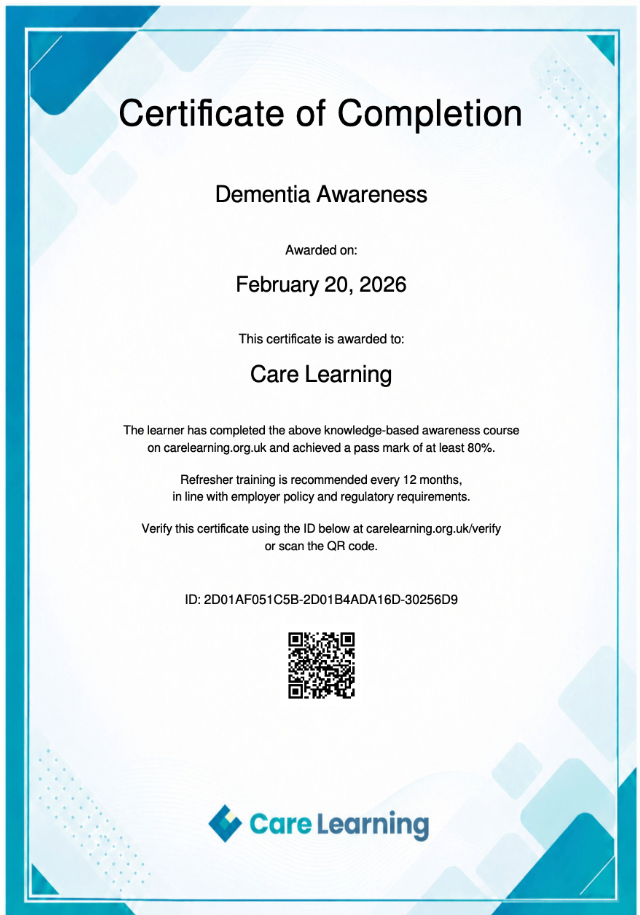
Yes. A certificate is issued after successful completion.
This course provides a practical introduction to the responsibilities involved in employing and managing a Personal Assistant. By understanding the employment relationship, planning carefully and knowing where to obtain support, learners can approach individual employment with greater clarity and confidence.
Enrol now to build your understanding of employing and managing a Personal Assistant.