This free introductory impulsive behaviours course is designed for general learners, support staff, carers and anyone who wants to build a clear basic understanding of impulsivity and how it may present in everyday life. The course explains what impulsive behaviours are, why they are important, and how they can affect decision-making, relationships, wellbeing and safety.
Learners will explore common signs, triggers and contributing factors, including links with stress, strong emotions, ADHD, emotional dysregulation, mood changes and distress. The course also covers early warning signs, practical pause strategies, supportive communication and appropriate help routes where risk or concern is present.
Why Take This eLearning Course?
Impulsive behaviour can affect people in many different ways, from everyday interruptions or rushed decisions to more serious concerns involving safety, relationships or mental wellbeing. This course supports a calm, informed and person-centred approach, helping learners recognise patterns, respond with confidence and know when further help may be needed.
This course will help you to:
- Understand what impulsive behaviours are and how they may appear.
- Recognise common signs such as interrupting, risk-taking and acting suddenly.
- Identify triggers linked to stress, frustration, boredom, conflict and tiredness.
- Understand how impulsive reactions may relate to emotional distress or underlying needs.
- Consider the impact of impulsivity on wellbeing, work, learning and relationships.
- Recognise when behaviour may involve safeguarding, health or mental health concerns.
- Notice early warning signs before impulsive actions occur.
- Use simple tools such as trigger logs, reflection sheets and coping plans.
- Apply practical strategies to support safer decision-making.
- Identify appropriate UK support routes and urgent help pathways.
Learning Outcomes
By the end of this course, you will be able to:
- Define impulsive behaviours and explain what is meant by acting without thinking.
- Describe how impulsive behaviours can affect decisions, actions, relationships and safety.
- Identify common examples of impulsive behaviour across home, education, work and social settings.
- List common triggers and contributing factors that may increase impulsive reactions.
- Explain why similar behaviours may have different causes for different people.
- Describe the possible impact of impulsivity on wellbeing, learning, work and daily life.
- Identify risks linked to unsafe choices, aggression, self-harm, substance misuse or financial problems.
- Recognise personal, behavioural and environmental warning signs.
- Outline practical strategies that may help reduce impulsive reactions.
- Describe when to seek support, referral or urgent help in the UK.
Impulsive Behaviours eLearning Course Outline
Module 1: Understanding Impulsive Behaviours
Learners will explore what impulsive behaviours are and what is meant by acting without thinking. This module explains how impulsivity can affect decisions, actions, relationships and safety, while introducing common signs such as interrupting, difficulty waiting, sudden reactions and risk-taking. Learners will also consider examples across everyday life, home, education, work, social situations and online behaviour.
Module 2: Causes, Triggers and Contributing Factors
Learners will examine the factors that may increase impulsive reactions, including stress, frustration, boredom, strong emotions, conflict, overstimulation and tiredness. This module also introduces possible links with ADHD, emotional dysregulation, personality disorder traits, bipolar mood changes and distress, while emphasising the importance of avoiding assumptions and considering context, environment and unmet needs.
Module 3: Impact, Risk and Concern
Learners will consider how impulsive behaviours can affect wellbeing, learning, work, relationships and daily functioning. This module explores possible risks such as unsafe choices, aggression, self-harm, substance misuse, financial difficulties and contact with services. It also explains why some behaviours may be short-term attempts to cope with difficult feelings and when impulsivity may become a safeguarding, health or mental health concern.
Module 4: Recognising Patterns and Early Warning Signs
Learners will look at the signs that may appear before an impulsive act, including personal, behavioural and environmental warning signs. This module explains how thoughts, feelings, body sensations and situations can interact, and introduces simple ways to notice patterns through diaries, trigger logs, reflection sheets and support discussions. Learners will also explore practical questions that can help someone pause and review consequences before acting.
Module 5: Supportive Strategies to Reduce Impulsive Reactions
Learners will explore practical approaches that may help create space between an impulse and a response. This module covers pause strategies such as stop and think, breathing, stepping away and delaying action. It also explains the value of routine, structure, exercise, sleep and reducing environmental triggers, alongside self-management tools such as traffic-light systems, coping plans, calm-down techniques and supportive communication.
Module 6: Support, Referral and Urgent Help in the UK
Learners will identify when support may be needed from a GP, mental health service, school, college, workplace support, community service or social care route. This module explains when urgent help is required, particularly where there is immediate risk of self-harm, suicide, violence or inability to stay safe. It also highlights person-centred support, dignity, and the importance of using appropriate UK help routes while recognising that crisis pathways can vary across England, Scotland, Wales and Northern Ireland.
Target Audience
This course is suitable for:
- Support staff and frontline workers who may encounter impulsive behaviour.
- Carers, family members and volunteers who want a better understanding of impulsivity.
- Education, workplace or community staff supporting people with emotional or behavioural needs.
- Learners interested in mental health, wellbeing and behaviour support.
- Managers or team leaders who want staff to respond consistently and safely.
- Anyone who wants introductory UK-based training on impulsive behaviours.
No previous specialist knowledge is required.
FAQ
Who is this course suitable for?
This course is suitable for general learners, support staff, carers, volunteers, education staff, workplace teams and anyone who wants to understand impulsive behaviours and how to respond in a calm, informed and supportive way.
Do I need any previous experience?
No. This is an introductory course, so it explains the key ideas clearly and does not require previous specialist knowledge of mental health, behaviour support or clinical practice.
What will I learn on this impulsive behaviours course?
You will learn what impulsive behaviours are, how they may present, common triggers, possible contributing factors, early warning signs, practical coping strategies and appropriate UK help pathways.
Will this course help with day-to-day practice?
Yes. The course focuses on everyday understanding and practical responses, including how to notice patterns, reduce triggers, communicate supportively and recognise when further help may be needed.
Does the course cover practical skills?
Yes. It covers simple pause strategies, trigger logs, reflection tools, traffic-light systems, coping plans, calm-down techniques and clear communication approaches that can support safer decision-making.
Does it cover relevant responsibilities or good practice?
Yes. The course explains when impulsive behaviour may become a safeguarding, health or mental health concern, and highlights the importance of person-centred support, dignity, appropriate referral and urgent help where risk is present.
How long does the course take?
The course is self-paced and usually takes around 1 hour to complete.
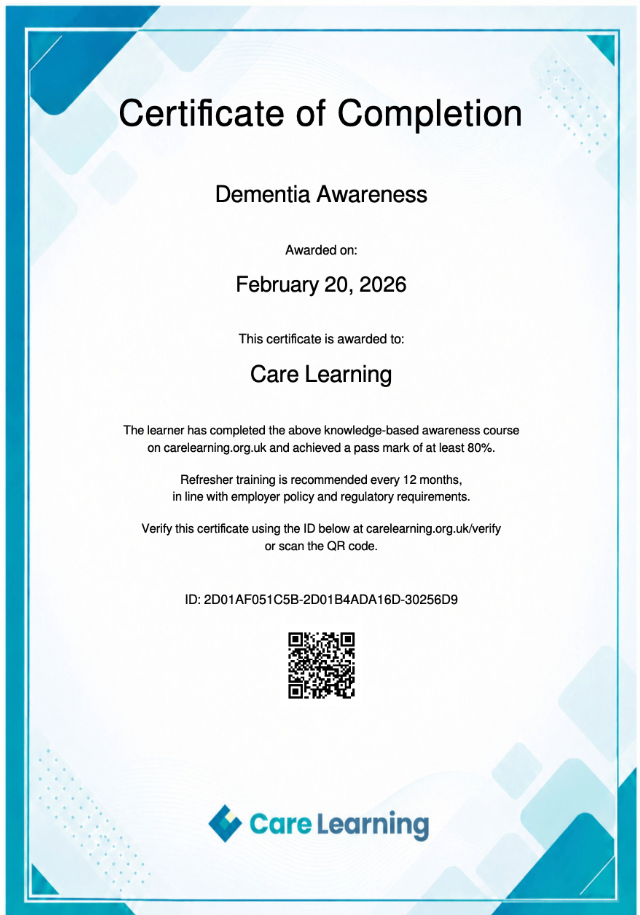
Will I receive a certificate?
Yes. A certificate is issued after successful completion.
This impulsive behaviours eLearning course provides a clear and practical introduction to recognising impulsivity, understanding possible causes and responding in a safe, respectful and supportive way. It is suitable for individuals and organisations looking to build confidence, improve awareness and support better outcomes in everyday practice.
Enrol now to build your understanding of impulsive behaviours.