
This Rejection Sensitive Dysphoria Awareness course is for staff, volunteers, families, education teams, workplace managers and support professionals who want to understand intense emotional responses linked to perceived rejection, criticism or failure. It is suitable for health and social care, education, family, community and workplace settings.
This free course explains how rejection sensitivity and RSD-type experiences are commonly understood, why they are often discussed alongside ADHD and emotional dysregulation, and how these responses may affect confidence, behaviour, relationships and day-to-day participation. Learners will also explore practical communication, de-escalation, self-management, reasonable adjustments and UK signposting routes.
Why Take This eLearning Course?
Rejection sensitive dysphoria can be distressing for the person experiencing it and confusing for those around them. This course supports a calm, informed and practical approach so learners can recognise patterns, reduce shame, communicate more clearly and respond safely where additional support may be needed.
This course will help you to:
- Understand what rejection sensitivity means and how RSD is commonly described.
- Recognise why RSD-type reactions are often linked with ADHD and emotional dysregulation.
- Identify common emotional responses, behaviours and triggers.
- Respond to distress without increasing shame or conflict.
- Use clear, validating language while maintaining boundaries.
- Support learners, colleagues, family members or people using services more effectively.
- Recognise when reactions may be affecting wellbeing, relationships, learning or work.
- Understand practical adjustments in education and workplace settings.
- Know when professional or urgent support may be needed.
- Signpost people towards appropriate UK support routes and resources.
Learning Outcomes
By the end of this course, you will be able to:
- Define rejection sensitivity and explain how RSD is commonly used as a descriptive term.
- Describe the relationship between RSD-type experiences, ADHD and emotional dysregulation.
- Explain why RSD is not usually treated as a separate formal diagnosis in UK clinical systems.
- Identify common emotional reactions such as shame, panic, anger, tearfulness and withdrawal.
- Recognise behaviour patterns including avoidance, perfectionism, people-pleasing, masking and shutdown.
- Identify common triggers, including feedback, correction, social exclusion, uncertainty and tone of voice.
- Distinguish between actual rejection and perceived rejection.
- Explain how repeated experiences can affect confidence, self-worth and willingness to try.
- Apply supportive language, de-escalation approaches and practical adjustments.
- Identify when to seek professional help and outline suitable UK signposting routes.
Rejection Sensitive Dysphoria Awareness Course Outline
Module 1: Understanding Rejection Sensitivity and RSD
Learners will explore what rejection sensitivity means and how the term rejection sensitive dysphoria is commonly used to describe intense distress linked to perceived rejection, criticism or failure. This module explains that RSD is a descriptive term rather than a formal diagnosis, and introduces its connection with ADHD, emotional dysregulation and wider support needs. Learners will also consider why services focus on the person’s impact, risk and circumstances rather than treating RSD as a standalone assessment route.
Module 2: Emotional Responses and Behaviour Patterns
Learners will examine how RSD-type reactions can escalate quickly, often beginning with strong internal emotions before outward behaviour is visible. The module covers shame, panic, anger, tearfulness and withdrawal, alongside common behaviour patterns such as avoidance, perfectionism, people-pleasing, masking, conflict and shutdown. Learners will also consider how these reactions may be mislabelled in schools, workplaces, families and support settings.
Module 3: Triggers, Perception and Amplifying Factors
Learners will identify common triggers linked to feedback, assessment, social exclusion, changes of plan, tone of voice, correction and unanswered messages. This module also explains the difference between actual rejection and perceived rejection, helping learners understand why a response can be genuine even when rejection was not intended. It also considers how stress, fatigue, sensory overload, past criticism, bullying, trauma or feeling misunderstood can increase sensitivity.
Module 4: Impact on Confidence, Relationships and Wellbeing
Learners will explore how repeated RSD-type experiences can affect self-worth, confidence and willingness to try new tasks. The module considers how fear of criticism or failure can lead to avoidance, guardedness or reluctance to engage. It also covers the effect on relationships, including miscommunication, reassurance-seeking, conflict cycles, withdrawal and strain on trust, as well as possible links with anxiety, low mood, isolation and wider wellbeing concerns.
Module 5: Supportive Communication and De-escalation
Learners will consider practical ways to respond when a person is distressed, including validating feelings, clarifying intent and offering choices while maintaining clear boundaries. This module explains de-escalation approaches such as pausing feedback, reducing the audience, allowing time to regulate, using a neutral tone, offering brief reassurance and agreeing a follow-up point. It also covers what to avoid, including public criticism, sarcasm, telling someone to calm down, adding more feedback or debating feelings in the moment.
Module 6: Self-Management and Supportive Environments
Learners will review self-management strategies that can help people notice patterns earlier and recover more effectively. This includes naming triggers, recognising body signs, slowing breathing, grounding, journalling, coaching, therapy and planned repair conversations. The module also covers practical education and workplace adjustments, including predictable feedback routines, advance notice, written follow-up, clear instructions, structured check-ins and reasonable adjustments where the legal duty applies.
Module 7: Professional Support and UK Signposting
Learners will identify when RSD-type experiences may require additional professional support, particularly where distress is persistent, daily functioning is affected, anxiety or low mood is severe, or there are thoughts of self-harm. This module outlines UK routes through health, education, workplace and community support, including GPs, local NHS mental health services, ADHD or neurodevelopmental pathways, SENCOs, pastoral staff, Human Resources, occupational health, Employee Assistance Programmes, charities and local SEND support services.
Target Audience
This course is suitable for:
- Education staff, tutors, pastoral teams and SENCOs.
- Managers, supervisors and Human Resources staff.
- Health and social care workers supporting neurodivergent people.
- Family members, carers and community support workers.
- Volunteers and youth workers.
- Anyone who wants to understand rejection sensitivity in everyday settings.
No previous specialist knowledge is required.
FAQ
Who is this course suitable for?
This course is suitable for anyone who supports, manages, teaches, works with or cares for people who may experience intense emotional responses to criticism, rejection or failure. It is relevant to education, workplace, family, community, health and social care settings.
Do I need any previous experience?
No. The course introduces rejection sensitivity and RSD-type experiences in plain language, so learners do not need clinical, specialist or previous neurodiversity training.
What will I learn on this Rejection Sensitive Dysphoria Awareness course?
You will learn what rejection sensitivity means, how RSD is commonly described, why it is often linked with ADHD and emotional dysregulation, and how it can affect emotions, behaviour, relationships, learning and work.
Will this course help with day-to-day practice?
Yes. The course focuses on practical understanding and response. It covers common triggers, communication strategies, de-escalation approaches, supportive environments and when to seek further help.
Does the course cover practical skills?
Yes. Learners will explore practical ways to reduce shame, communicate clearly, pause feedback, support regulation, agree follow-up conversations and consider reasonable adjustments in education and workplace settings.
Does it cover relevant responsibilities or good practice?
Yes. The course covers good practice in communication, support, signposting and risk awareness. It also refers to reasonable adjustments in education and work settings where the Equality Act 2010 duty applies.
How long does the course take?
The course is self-paced and usually takes around 1 hour to complete.
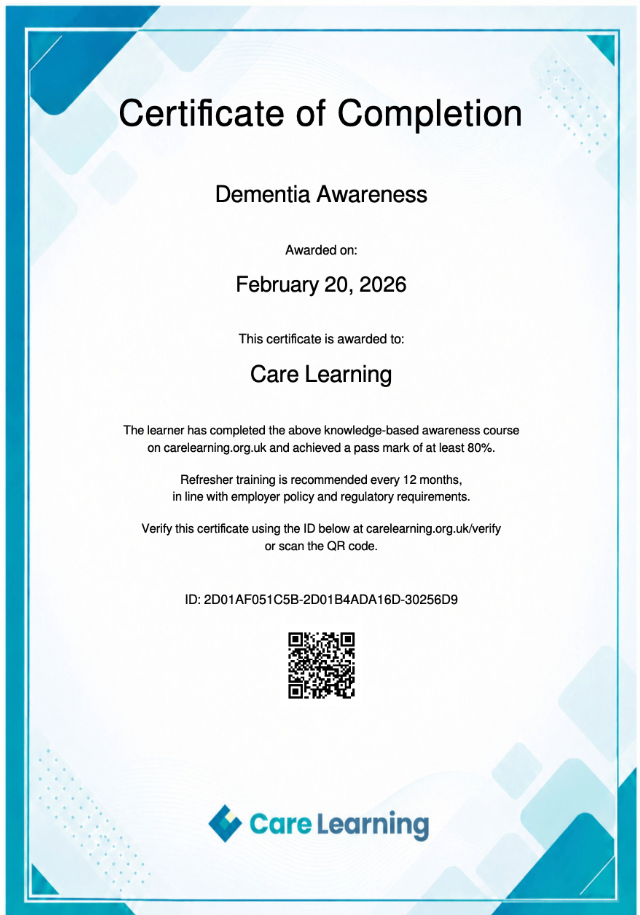
Will I receive a certificate?
Yes. A certificate is issued after successful completion.
This Rejection Sensitive Dysphoria Awareness course gives learners a clearer understanding of a distressing and often misunderstood experience. It supports more confident, respectful and structured responses across everyday settings, helping learners reduce unnecessary escalation while recognising when further support is needed.
Enrol now to build your understanding of rejection sensitive dysphoria.