This Misogyny Awareness course is for staff, volunteers, managers and community groups who want to understand misogyny and respond to it more confidently. It explains what misogyny means, how it can affect safety, dignity and equal participation, and why challenging harmful attitudes matters in workplaces, education, communities and online spaces.
This free covers misogyny, sexism, gender stereotypes, discrimination, harassment, online influence, violence against women and girls, UK duties and protections, safe bystander responses, support needs, reporting options and practical steps for building respectful environments.
Why Take This eLearning Course?
Misogyny can affect how people feel, participate, work, learn and use public or online spaces. This course supports learners to recognise harmful behaviour, understand its impact and respond in ways that are safe, proportionate and respectful.
This course will help you to:
- Understand the meaning of misogyny, sexism and related harmful attitudes.
- Recognise common examples of misogynistic behaviour in everyday settings.
- Understand how misogyny can affect safety, dignity and confidence.
- Identify how harmful attitudes can become normalised.
- Understand links between misogyny, harassment, abuse and violence against women and girls.
- Recognise warning signs of online misogyny and harmful influence.
- Respond more safely to sexist comments, harassment and “banter”.
- Support someone affected by misogyny or harassment without blame.
- Understand reporting options in workplaces, education, safeguarding and online settings.
- Contribute to safer, fairer and more respectful spaces.
Learning Outcomes
By the end of this course, you will be able to:
- Define misogyny, sexism, gender stereotypes, discrimination and prejudice.
- Identify common misogynistic attitudes and behaviours.
- Explain the impact of misogyny on individuals, organisations and wider society.
- Describe who may be affected, including people with overlapping experiences of inequality.
- Explain how misogyny can link to harassment, abuse, consent and violence against women and girls.
- Identify common places where misogyny may occur.
- Outline relevant UK duties, protections and reporting routes.
- Recognise online warning signs and safer responses to harmful content.
- Give examples of safe bystander intervention.
- Describe practical ways to support culture change.
Misogyny Awareness Course Outline
Module 1: What Misogyny Is
Learners will explore the meaning of misogyny and how it connects with sexism, gender stereotypes, discrimination and prejudice. This module explains how misogyny differs from general rudeness, how it can appear through words, behaviour, online content and assumptions, and why it can affect confidence, mental health, dignity, work, education, relationships and public participation. Learners will also consider who may be affected, including women and girls, disabled women, minoritised women, LGBTQ+ people and wider communities.
Module 2: Misogyny in UK Society
Learners will examine how misogyny can contribute to a culture where harassment, stalking, domestic abuse, sexual violence, coercive control and image-based abuse are minimised or excused. This module looks at common settings where misogyny may occur, including workplaces, schools, colleges, universities, public transport, nightlife, sport, community spaces and social media. It also explains how repeated jokes, peer pressure, online influencers, weak reporting routes and poor leadership can normalise harmful attitudes, and why early prevention, equality, healthy relationships and respect are important.
Module 3: UK Legal and Policy Context
Learners will be introduced to key UK duties and protections linked to discrimination, harassment, safeguarding and workplace safety. This module covers the Equality Act 2010, sexual harassment at work, the workplace duty to take reasonable steps to prevent sexual harassment, safeguarding responsibilities and organisational policies. It also outlines nation-specific approaches across England, Wales and Scotland, while explaining why policies alone are not enough without leadership, safe reporting, training, accountability and culture change.
Module 4: Online Misogyny
Learners will explore how misogyny can appear in digital spaces, including social media, gaming platforms, forums, messaging apps and image-sharing sites. This module covers online abuse, harassment, threats, doxxing, dogpiling, harmful influencers, manosphere content, deepfakes, image-based harm and victim-blaming. Learners will also consider common warning signs, how online content can influence offline behaviour, and safer responses such as reporting, blocking, saving evidence where appropriate, avoiding amplification and supporting affected people.
Module 5: Challenging Misogyny Safely
Learners will understand what active bystander behaviour means and how to choose a safe, proportionate response. This module explains direct and indirect ways to intervene, including naming behaviour, distracting, delegating, delaying, documenting and reporting. It also covers how to respond to sexist comments or “banter” by explaining impact, setting boundaries and using support routes where needed. Learners will consider when direct intervention may be unsafe, including situations involving escalation, threats, personal safety concerns or the need for specialist help.
Module 6: Support, Reporting and Culture Change
Learners will look at how to support someone affected by misogyny or harassment by listening, believing, avoiding blame, protecting confidentiality where possible and asking what support they want. This module explains reporting options through workplace policies, safeguarding leads, HR, education settings, police, specialist support services and online platforms. It also covers how organisations can reduce misogyny through clear expectations, leadership, risk assessment, training, accessible reporting, fair investigations and regular review, as well as how learners can help build safer and fairer spaces.
Target Audience
This course is suitable for:
- Employees, managers and team leaders in UK workplaces.
- Volunteers and community group members.
- Staff and learners in education or training settings.
- People responsible for equality, wellbeing, conduct or safeguarding routes.
- Organisations seeking introductory misogyny awareness training.
- Adults who want to understand and challenge harmful attitudes safely.
No previous specialist knowledge is required.
FAQ
Who is this course suitable for?
This course is suitable for adults who want a clear introduction to misogyny awareness, including staff, volunteers, managers, community groups and learners in workplace, education, public or online settings.
Do I need any previous experience?
No. The course is introductory and explains key terms, examples, impacts and response options in clear, accessible language.
What will I learn on this course?
You will learn what misogyny is, how it can appear in everyday behaviour and online spaces, how it affects safety and participation, and how to respond safely through support, reporting and bystander action.
Will this course help with day-to-day practice?
Yes. The course focuses on practical situations such as sexist comments, “banter”, online abuse, workplace concerns, reporting routes and supporting someone who has experienced misogyny or harassment.
Does the course cover practical skills?
Yes. It covers safe bystander intervention, recognising warning signs, responding to harmful comments, supporting affected people and knowing when to seek help from a manager, safeguarding lead, police or specialist service.
Does the Misogyny Awareness course cover relevant responsibilities or good practice?
Yes. The course introduces relevant UK duties and protections, workplace sexual harassment prevention, safeguarding considerations, reporting options and the importance of leadership, accountability and culture change.
How long does the course take?
The course is self-paced and usually takes around 1 hour to complete.
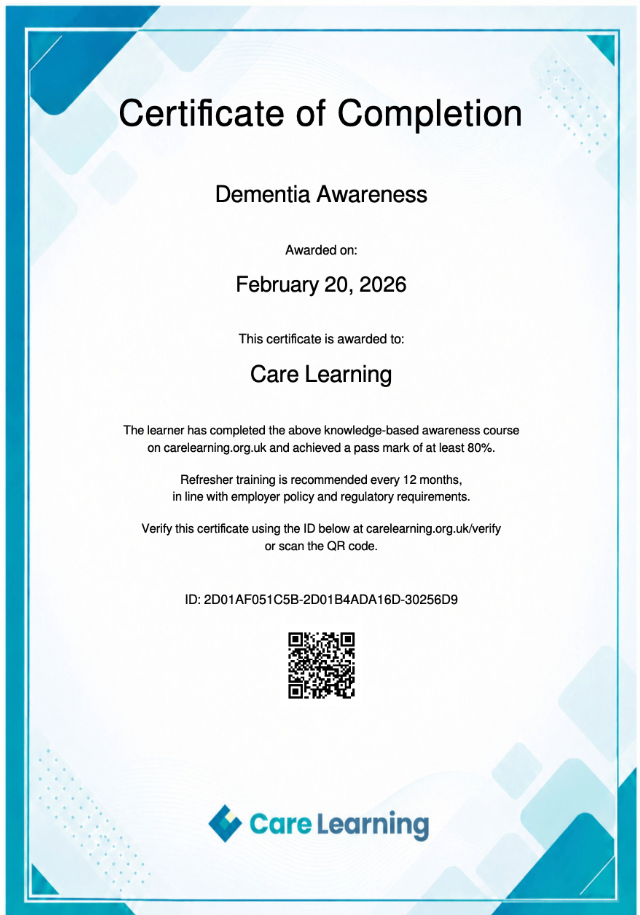
Will I receive a certificate?
Yes. A certificate is issued after successful completion.
This Misogyny Awareness eLearning course provides a clear and practical introduction to recognising harmful attitudes, understanding impact and supporting safer, more respectful environments. It is designed to help learners build confidence without encouraging unsafe confrontation.
Enrol now to build your understanding of misogyny awareness.