This Safeguarding Adults Level 2 course is designed for health and social care workers who have regular contact with adults, patients, families, carers or members of the public. It explains how to recognise safeguarding concerns, respond appropriately and follow local procedures while keeping the adult’s dignity, rights and voice central.
This free course covers the meaning of adult safeguarding, common types and indicators of abuse and neglect, mental capacity, consent, advocacy, professional responsibilities, referral routes, Prevent-related concerns, safe information sharing and accurate record keeping.
This course is mapped to the Core Skills Training Framework Safeguarding Adults Version 2 – Level 1 and Level 2 learning outcomes. It is designed to support knowledge-based e-learning for staff working in health and social care settings. Full organisational CSTF alignment, including trainer or facilitator competence, local policy integration, quality assurance, assessment arrangements and training records, remains the responsibility of the employing organisation.
Why Take This eLearning Course?
Adult safeguarding is essential to safe, respectful and lawful health and social care practice. This course supports learners to act with confidence when concerns are noticed, disclosed or suspected, while understanding the limits of their role and the importance of prompt escalation.
This course will help you to:
- Understand what adult safeguarding means in practice
- Recognise who safeguarding duties apply to
- Apply the six principles of adult safeguarding
- Protect dignity, equality and human rights when responding to concerns
- Identify harm, abuse, neglect and exploitation
- Recognise possible signs and indicators of abuse
- Understand consent, capacity and unwise decisions
- Know when to seek advice, escalate or refer
- Record safeguarding concerns clearly and factually
- Share information safely and proportionately
Learning Outcomes
By the end of this course, you will be able to:
- Define adult safeguarding in a health and social care context
- Describe who adult safeguarding duties apply to
- Explain the six principles of safeguarding adults in England
- Identify common types of adult abuse and neglect
- Recognise possible indicators and risk factors
- Explain how consent, capacity and advocacy relate to safeguarding
- Outline Level 2 safeguarding responsibilities
- Respond safely when a concern is noticed or disclosed
- Describe how to refer concerns through local procedures
- Document and share safeguarding information appropriately
Safeguarding Adults Level 2 Course Outline
Module 1: Understanding Adult Safeguarding
Learners will explore what adult safeguarding means and why it matters in health and social care. This module explains how safeguarding protects adults from abuse, neglect, exploitation and avoidable harm while promoting wellbeing, dignity, choice and control. It also covers who safeguarding duties apply to, the six principles of adult safeguarding and the importance of dignity, equality and human rights in respectful practice.
Module 2: Harm, Abuse, Neglect and Risk
Learners will examine the meaning of harm, abuse, neglect, acts of omission and exploitation. This module introduces common types of adult abuse, including physical, sexual, psychological, domestic, financial, discriminatory, organisational abuse, self-neglect and modern slavery. It also explains how to identify possible signs, indicators and risk factors in healthcare settings, including personal vulnerability, coercion, poor care environments and service pressures.
Module 3: Consent, Capacity, Communication and Rights
Learners will consider how safeguarding decisions should respect the adult’s rights, wishes and involvement. This module explains mental capacity, consent, unwise decisions, best interests and least restrictive practice. It also covers accessible communication, advocacy, Independent Mental Capacity Advocate considerations and safe practice around restraint and deprivation of liberty.
Module 4: Level 2 Responsibilities and Professional Boundaries
Learners will understand the safeguarding responsibilities expected at Level 2. This module explains how frontline staff should recognise concerns, respond to disclosures, record factual observations and report through local procedures. It also covers the roles of registered staff, safeguarding leads, adult social care, police, advocates and managers, as well as when to seek advice, escalate concerns and recognise links with dignity, complaints and serious incidents.
Module 5: Responding to and Referring Safeguarding Concerns
Learners will learn what to do when a safeguarding concern is noticed or disclosed. This module covers calm first responses, listening without leading questions, not promising secrecy, checking immediate safety and preserving possible evidence where relevant. It also explains referral to adult social care, consent and information sharing decisions, urgent action where someone may be at serious risk and Prevent-related safeguarding concerns.
Module 6: Recording, Information Sharing and Learning
Learners will develop their understanding of safe safeguarding documentation and information sharing. This module explains how to record what was seen, said and done, and how to separate fact, opinion and professional judgement. It also covers confidentiality, lawful and proportionate sharing, the risks of not sharing information, and how supervision, reflective practice and service learning improve safeguarding responses.
Target Audience
This course is suitable for:
- Health and social care workers in England
- Frontline healthcare practitioners
- Care staff working with adults
- Support workers and clinical support staff
- Volunteers or staff who may notice safeguarding concerns
- Managers or supervisors supporting safe practice
No previous specialist knowledge is required.
FAQ
Who is this course suitable for?
This course is suitable for health and social care workers who have regular contact with adults, patients, carers, families or members of the public and need Level 2 safeguarding knowledge.
Do I need any previous experience?
No previous specialist safeguarding experience is required. The course explains key concepts clearly and is designed for learners who need practical knowledge for day-to-day work.
What will I learn on this Safeguarding Adults Level 2 course?
You will learn how to recognise adult safeguarding concerns, understand different types of abuse and neglect, respond safely to disclosures, follow referral routes, record concerns accurately and share information appropriately.
Will this course help with day-to-day practice?
Yes. The course focuses on practical safeguarding situations, including noticing signs of concern, supporting the adult’s involvement, seeking advice, escalating risks and keeping clear records.
Does the course cover practical skills?
Yes. It covers practical safeguarding skills such as listening to concerns, checking immediate safety, documenting what was seen and said, preserving factual information and knowing when to report or refer.
Does it cover relevant responsibilities or good practice?
Yes. The course covers Level 2 safeguarding responsibilities, professional boundaries, adult safeguarding principles, consent, capacity, advocacy, Prevent-related concerns, information sharing and England-focused good practice.
How long does the course take?
The course is self-paced and usually takes around 1 hour to complete.
Will I receive a certificate?
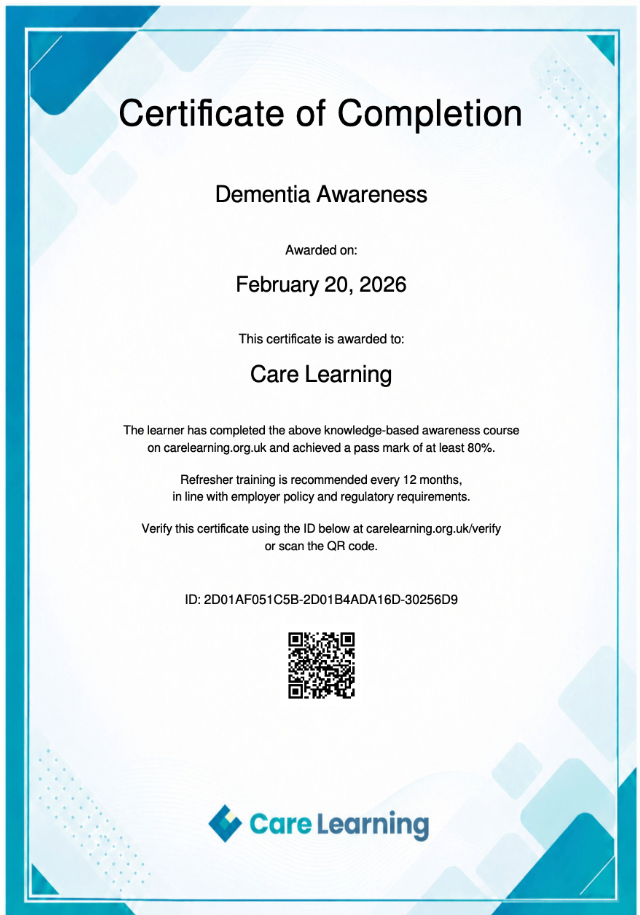
Yes. A certificate is issued after successful completion.
Safeguarding Adults Level 2 training helps staff respond to concerns with clarity, professionalism and respect. It supports safer practice by helping learners understand what to look for, what to do next and how to keep the adult’s rights and wellbeing central.
Enrol now to build your understanding of adult safeguarding.