
Teenage relationship abuse can involve controlling, coercive, threatening, physical, sexual, emotional or psychological behaviour within a young person’s current or former relationship. This eLearning course is designed for health and social care workers and other frontline practitioners who may come into contact with young people and need to recognise concerns and respond appropriately.
This free course explores healthy, unhealthy and abusive relationship behaviours, consent and boundaries, warning signs, technology-facilitated abuse, barriers to disclosure and the possible effects of abuse. It also covers sensitive conversations, professional boundaries, safeguarding action, referral and signposting, recording, information sharing, multi-agency working and relevant guidance for England-focused practice.
Why Take This eLearning Course?
Young people experiencing relationship abuse may not identify their experiences as abusive or feel able to tell an adult what is happening. Practitioners who understand the signs, risks and appropriate professional response are better placed to recognise concerns, listen sensitively and follow safeguarding procedures without moving beyond their role.
This course will help you to:
- Distinguish between healthy, unhealthy and abusive teenage relationship behaviours.
- Recognise patterns of control, coercion, intimidation, pressure and harm.
- Understand how age, development and individual circumstances can affect a young person’s experience.
- Identify possible behavioural, social, educational and physical warning signs.
- Recognise technology-facilitated abuse, sexual pressure and boundary violations.
- Approach sensitive conversations calmly and without judgement.
- Respond appropriately when a young person shares concerns or discloses abuse.
- Understand professional boundaries when abuse is suspected.
- Follow appropriate safeguarding, referral, recording and information-sharing processes.
- Signpost young people to suitable local, specialist and national support.
Learning Outcomes
By the end of this course, you will be able to:
- Define teenage relationship abuse and distinguish it from unhealthy relationship behaviour and ordinary conflict.
- Explain how teenage relationship abuse can differ from adult domestic abuse.
- Describe factors that may influence a young person’s needs, risks and experience of abuse.
- Identify common forms of abuse, possible warning signs and technology-facilitated control.
- Explain consent, sexual pressure and healthy relationship boundaries.
- Describe the responsibilities and professional limits of frontline practitioners.
- Use appropriate approaches when starting sensitive conversations and responding to disclosures.
- Identify circumstances requiring immediate safeguarding or emergency action.
- Explain good practice for recording, confidentiality, information sharing and multi-agency working.
- Identify relevant guidance, professional resources and support options for young people.
Teenage Relationship Abuse Awareness Course Outline
The course is organised into eight modules covering recognition and understanding of teenage relationship abuse, individual needs and impact, abusive behaviours and warning signs, professional responsibilities, sensitive communication, safeguarding and referral, recording and multi-agency working, and current guidance and support resources.
Module 1: Understanding Teenage Relationship Abuse
Learners will develop a clear understanding of teenage relationship abuse and the differences between healthy, unhealthy and abusive relationship behaviours. The module examines control, coercion, consent, boundaries and the distinction between conflict and abuse. It also considers how teenage relationship abuse differs from adult domestic abuse, including the particular circumstances of young people and the position of 16- and 17-year-olds within domestic abuse and child safeguarding arrangements. Learners will explore the prevalence of abuse among young people, the limitations of available data and the reasons abuse may be minimised, misunderstood or missed by young people, peers and adults.
Module 2: Young People’s Experiences, Needs and Impact
Learners will consider teenage relationship abuse inclusively, recognising that young people of different genders, sexual orientations, identities and backgrounds may experience harm. The module explores how age, development, disability, communication needs, social isolation, family circumstances, previous experiences, culture and discrimination can affect needs and access to support. Learners will also examine possible effects on wellbeing, safety, education, friendships, confidence, trust and everyday routines while recognising that every young person responds differently.
Module 3: Recognising Abusive Behaviour and Warning Signs
Learners will examine common forms of abusive behaviour, including physical and sexual abuse, threats, intimidation, humiliation, coercive control and restrictions involving friendships, movement, communication, money or possessions. The module covers possible warning signs such as changes in mood, social contact, education, physical wellbeing, secrecy, fear and unwanted pressure. Learners will also consider technology-facilitated abuse, including digital monitoring, repeated messaging, location tracking and online harassment, before exploring sexual pressure, freely given consent, sexual images, personal boundaries and related safeguarding concerns.
Module 4: Professional Responsibilities and Boundaries
Learners will understand the responsibilities of frontline practitioners when teenage relationship abuse is suspected or disclosed. The module explains how to notice concerns, listen carefully, consider immediate safety, record information and follow safeguarding and referral procedures. It establishes clear role boundaries by explaining why practitioners should not investigate allegations independently, mediate between young people or confront the person alleged to have caused harm. Learners will also develop awareness of the young people’s DASH risk resource, including its purpose, limitations and appropriate use by trained practitioners working within local procedures.
Module 5: Sensitive Communication and Person-Centred Support
Learners will explore how to create appropriate opportunities for young people to talk about relationship concerns. The module covers choosing a suitable setting, explaining concerns clearly, using open questions, allowing time and following the young person’s pace. It considers how practitioners should respond when concerns are shared, including listening without judgement and explaining what may happen next. Learners will examine barriers to disclosure such as loyalty, fear, shame, dependence, previous experiences with professionals and communication needs, alongside practical approaches to inclusive communication, respectful language, identity and shared decision-making.
Module 6: Safeguarding, Referral and Safe Signposting
Learners will identify circumstances requiring immediate action and understand the importance of prioritising safety when there is an urgent threat of serious harm. The module explains emergency action, including contacting 999 where necessary, following organisational procedures, notifying safeguarding staff and creating a factual record. Learners will explore child safeguarding responsibilities for everyone under 18, including the need to consider safeguarding alongside domestic abuse responses for 16- and 17-year-olds. The module also covers children’s social care, specialist domestic abuse services, Childline, health services and local referral pathways, together with safe signposting and communication where devices or accounts may be monitored.
Module 7: Recording, Confidentiality and Multi-Agency Working
Learners will understand why prompt, factual safeguarding records are important and how to distinguish observations, reported information, professional judgement and actions taken. The module explains the value of accurately recording a young person’s own words where relevant and using approved organisational safeguarding systems. Learners will also explore confidentiality and proportionate information sharing, including the need to explain when safeguarding information may need to be passed to appropriate professionals. The module concludes by examining multi-agency working involving safeguarding leads, children’s social care, health services, police, specialist services and relevant risk-management arrangements.
Module 8: Guidance, Resources and Key Practice Actions
Learners will review the primary guidance identified within the course, including the Domestic Abuse Act 2021 statutory framework, Working Together to Safeguard Children 2026 and Keeping Children Safe in Education 2026 where relevant to the practitioner’s setting. The module emphasises the importance of using current guidance together with organisational and local procedures and recognising differences between UK nations. Learners will also consider professional resources such as the SafeLives young people’s DASH materials, safeguarding information, local referral pathways, Childline, youth services, domestic abuse services and health support. The module brings the course together through key actions focused on recognition, listening, immediate safety, child safeguarding, professional boundaries, recording and escalation.
Target Audience
This course is suitable for:
- Health and social care workers who may come into contact with children and young people.
- Youth workers and practitioners working in community or voluntary services.
- School, college and education staff with safeguarding responsibilities.
- Frontline staff who may receive concerns or disclosures from young people.
- Practitioners working in domestic abuse, family support or early help services.
- Staff and volunteers who need awareness of teenage relationship abuse and appropriate safeguarding responses.
No previous specialist knowledge is required.
FAQ
Who is this course suitable for?
This course is suitable for health and social care workers and other frontline practitioners who may encounter young people experiencing relationship difficulties or abuse. It is also relevant to staff in education, youth services, community organisations, domestic abuse services and other roles where safeguarding concerns may arise.
Do I need any previous experience?
No previous specialist knowledge of teenage relationship abuse is required. The course provides awareness-level knowledge and explains how practitioners can recognise concerns and respond safely within their professional role.
What will I learn on this teenage relationship abuse course?
You will learn how to recognise different forms of teenage relationship abuse, identify possible warning signs, understand consent and boundaries, respond to disclosures and consider the effects of technology-facilitated control. The course also covers safeguarding, referral, recording, information sharing and professional boundaries.
Will this course help with day-to-day practice?
Yes. The course focuses on situations frontline practitioners may encounter, including noticing changes in a young person, starting a sensitive conversation, responding when concerns are shared, considering immediate safety and using appropriate safeguarding and referral routes.
Does the course cover practical skills?
The course develops practical awareness rather than specialist investigative or risk-assessment skills. It provides guidance on listening, communication, recording, safeguarding escalation, safe signposting and recognising when specialist or emergency support may be needed.
Does it cover safeguarding responsibilities and good practice?
Yes. The course explains that anyone under 18 is a child for safeguarding purposes and covers child safeguarding action, professional boundaries, confidentiality, information sharing, referral, multi-agency working and the importance of following current organisational and local procedures.
Does the course explain the DASH risk checklist?
Yes. It introduces the SafeLives young people’s DASH resource and explains its purpose and limitations. The course makes clear that formal use of risk-identification tools should only take place where this fits the practitioner’s role, training and organisational procedures.
Does the course cover online and technology-facilitated abuse?
Yes. Learners consider digital monitoring, excessive contact, location tracking, demands for passwords, harassment and other forms of technology-facilitated control. The course also highlights the importance of considering whether devices or accounts may be monitored when communicating or signposting.
How long does the course take?
The course is self-paced and usually takes around 1 hour to complete.
Will I receive a certificate?
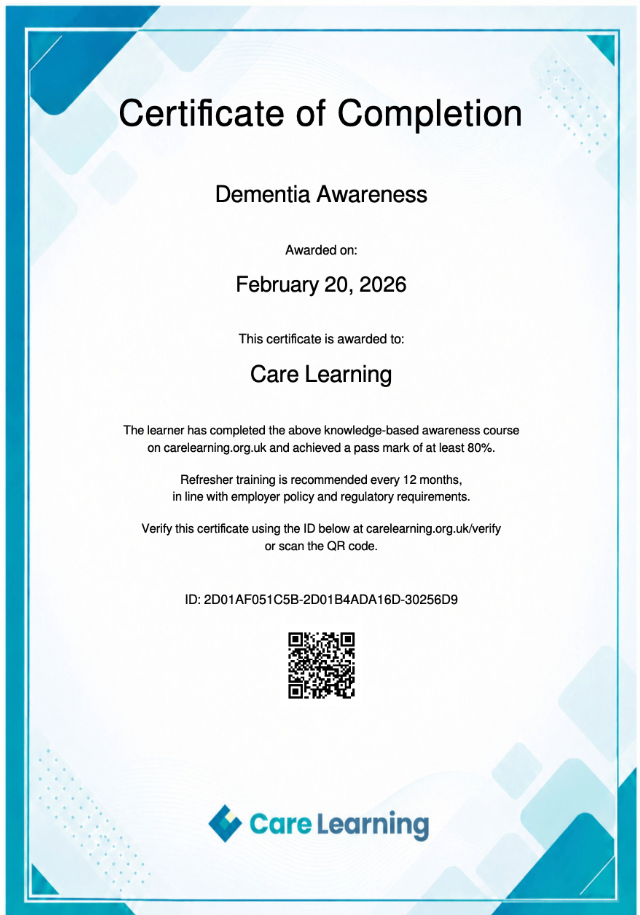
Yes. A certificate is issued after successful completion.
Teenage relationship abuse can be difficult to identify because harmful behaviour may be normalised, hidden or mistaken for ordinary relationship difficulties. This course gives frontline practitioners a structured foundation for recognising concerns, communicating sensitively and taking appropriate safeguarding action while maintaining clear professional boundaries.
Enrol now to build your understanding of teenage relationship abuse awareness.