
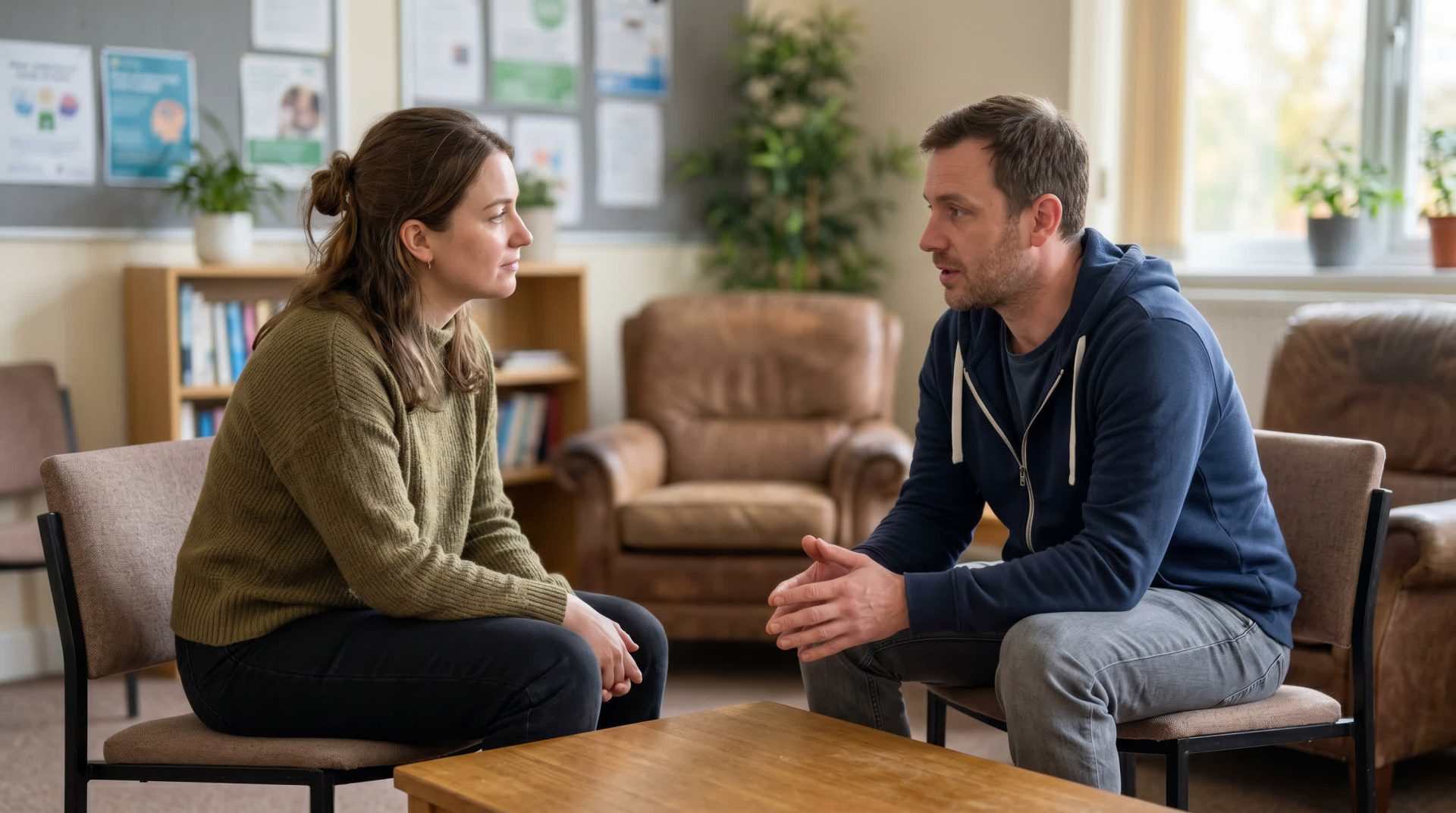
This guide will help you answer 1.2. Outline different roles within which counselling skills may be of use.
Counselling skills are useful in a wide range of roles. They are not limited to qualified counsellors or therapists. Many jobs involve supporting others, listening well, and helping people work through difficulties. Using counselling skills means being able to listen without judgement, show empathy, and respond in a supportive way. This builds trust and makes it easier for people to share their thoughts and feelings.
In this guide, we cover the different roles where counselling skills may be used. The focus should be on how the skills help in those roles and the types of situations where they are applied.
Support Workers
Support workers often help people with daily living tasks and emotional needs. They may work with adults with disabilities, older people, or those recovering from illness. Counselling skills help support workers create a safe space for clients to express their worries.
- Listening skills allow the worker to understand issues from the client’s point of view
- Empathy helps the worker respond in a way that shows respect for the client’s feelings
- Using open-ended questions encourages clients to talk more freely
For example, an older person might share that they feel lonely. A support worker using counselling skills would listen, acknowledge the feeling, and discuss possible ways to stay connected with others.
Nurses
Nurses care for patients in hospitals, GP surgeries, schools, and community settings. They deal with people who may be anxious, frightened, or in pain. Counselling skills are important for building trust and gaining accurate health information.
- Active listening ensures that patients feel heard
- Reflecting back what the patient says can confirm understanding
- Non-verbal communication like eye contact and nodding reassures the patient
For example, a nurse listening to a patient’s concerns about surgery can reduce fear and help the patient make informed decisions about their care.
Teachers and Teaching Assistants
Teachers and teaching assistants often support children with emotional and social needs. They may be the first to notice if a child is struggling at home or at school.
- Counselling skills help them listen to pupils without making quick judgements
- They can use gentle prompts to encourage children to share worries
- Understanding feelings can help them provide suitable classroom support
For example, a teaching assistant might notice a child becoming withdrawn. By using counselling skills, they can create a trusting environment where the child feels able to talk.
Social Workers
Social workers often deal with complex personal and family issues. They must communicate in a caring but professional way when working with children, parents, or vulnerable adults.
- Empathy allows social workers to understand the emotional side of a client’s situation
- Paraphrasing shows clients that their words have been understood
- Open body language can help people feel more at ease
A social worker meeting a family in crisis needs to listen closely to all sides before offering practical solutions. Counselling skills ensure that communication is respectful and clear.
Youth Workers
Youth workers support young people through one-to-one sessions and group activities. Many young people find it hard to trust adults, so building rapport is important.
- Active listening can help young people feel valued
- Asking open questions encourages them to share more about their experiences
- Observing body language can reveal feelings they may not put into words
For example, a youth worker may notice a teenager avoiding eye contact. Using counselling skills, they can gently explore if something is bothering them.
Human Resources Staff
People working in Human Resources (HR) deal with staff concerns, disputes, and workplace stress. They need to approach these situations with care.
- Effective listening helps employees feel heard
- Summarising what the employee says can clear up misunderstandings
- A calm, supportive tone helps people relax during difficult conversations
HR staff often meet with employees who are upset about conflict at work. Counselling skills can help uncover the real issues and move towards solutions.
Police Officers
Police officers meet people in distress, shock, or trauma. Counselling skills can make a big difference in these high-stress situations.
- Being able to listen without rushing builds trust with witnesses or victims
- Showing empathy can help calm someone in crisis
- Using supportive body language can reduce fear
An example is an officer speaking to a victim of crime. A patient and understanding approach helps gather information while supporting the person’s emotional wellbeing.
Managers and Team Leaders
Managers and team leaders work with staff who may need guidance or support. Counselling skills help build strong team relationships and handle workplace concerns.
- Listening attentively to employees helps identify problems early
- Providing space to talk through concerns can stop issues escalating
- Offering reflective feedback helps staff feel understood
For example, an employee struggling with workload might confide in their manager. Counselling skills let the manager respond in a supportive and constructive way.
Care Home Staff
Staff in care homes support residents with personal care, health needs, and emotional wellbeing. Many residents may feel isolated or anxious.
- Counselling skills help staff respond compassionately to emotional distress
- Listening closely can reveal needs that have not been expressed directly
- Gentle questioning can help residents talk about feelings or memories
For example, a resident may speak about missing family visits. A staff member using counselling skills can offer comfort and suggest ways to stay socially connected.
Helpline Volunteers
Helpline volunteers provide emotional support by phone or online chat. Counselling skills are central to these roles.
- Active listening is key in understanding callers
- Empathy helps volunteers connect, even without face-to-face contact
- Reflective responses can reassure callers that they are understood
A caller might reach out because they feel overwhelmed. The volunteer listens, encourages the caller to share, and validates their feelings.
GP Receptionists
GP receptionists are often the first contact for patients seeking medical help. They may speak to people who are stressed, unwell, or upset.
- Counselling skills help manage challenging conversations calmly
- Listening carefully ensures patients get the right appointments or advice
- Responding with empathy helps reduce frustration
For example, a patient may be angry due to waiting times. A receptionist using counselling skills can acknowledge the frustration and explain the situation in a caring way.
Probation Officers
Probation officers support people who are leaving prison or serving community sentences. Many clients face challenges such as addictions, relationship problems, or housing issues.
- Using counselling skills helps build trust
- Encouraging clients to talk about their goals can support rehabilitation
- Non-judgemental listening can foster positive change
For example, a probation officer might encourage a client to talk about their progress in finding work. Listening without judgement can help the client stay motivated.
Pastoral Workers in Faith Settings
Pastoral workers in churches, mosques, synagogues, and temples often provide emotional and spiritual support.
- Counselling skills help them care for people dealing with grief, stress, or relationship problems
- Active listening plays a big role in offering comfort
- Reflective dialogue can help individuals explore feelings safely
For example, a pastoral worker may speak with a bereaved person. Listening without pushing for answers helps that person cope with their loss.
Housing Officers
Housing officers work with tenants who may face issues like repairs, arrears, or eviction. Stress can cause emotional reactions during meetings.
- Empathy and calm communication reduce conflict
- Listening helps identify underlying issues affecting rent payments or tenancy
- Positive body language can make tenants more comfortable
For example, a housing officer may learn that a tenant’s rent arrears are due to illness. Counselling skills allow them to respond with compassion and signpost help.
Paramedics
Paramedics work in urgent and sometimes traumatic situations. Counselling skills support them in dealing with patients and family members under stress.
- Speaking calmly helps reduce panic
- Listening allows them to gather vital information from patients or witnesses
- Showing understanding reassures people in distress
For example, a paramedic may treat someone experiencing a severe asthma attack. While giving medical care, they can offer emotional reassurance to both patient and relatives.
Rehabilitation Workers
Rehabilitation workers help people recover from injury or illness. Sessions often involve physical progress but emotional wellbeing is just as important.
- Counselling skills help identify fears about recovery
- Motivational listening can encourage clients to keep going
- Supportive conversation helps build confidence
For example, a stroke patient may express frustration at slow recovery. A rehabilitation worker can listen and encourage realistic goals.
Customer Service Advisors
Customer service advisors deal with people who may be angry, upset, or confused.
- Active listening skills help them understand the issue
- Empathy helps ease tense situations
- Using clear, calm language reassures customers
For example, a customer with a lost order might feel stressed. By listening carefully and showing understanding, the advisor can improve the interaction.
Final Thoughts
Counselling skills are valuable across many sectors. They help build trust, improve communication, and support emotional wellbeing. These skills allow workers to understand the needs of others, respond sensitively, and encourage positive outcomes. They are not just for professional counsellors but for anyone whose role involves helping or supporting people.
By understanding where and how to use counselling skills, you can improve your relationships with those you support. Whether in health, education, law enforcement, or customer service, these skills make a real difference to how people feel and how effectively you can work with them.