The Social Media and Young People course is designed for youth workers, education staff, volunteers and other adults who support children and teenagers. It provides a balanced understanding of young people’s digital lives, recognising the opportunities social media can offer alongside the potential risks and safeguarding concerns.
This free course explores how young people participate online, the benefits of digital connection and creativity, common forms of online harm, and the possible effects on wellbeing. Learners will also consider constructive safety conversations, practical digital safety measures, professional online boundaries and appropriate responses when a young person may need support.
Why Take This eLearning Course?
Social media is an important part of many young people’s friendships, learning, identity and community participation. Adults who understand these experiences are better placed to offer proportionate support, discuss risks without blame and respond appropriately when concerns arise.
This course will help you to:
- Understand how children and teenagers use social media in different ways.
- Recognise both positive opportunities and potential online harms.
- Discuss online experiences without dismissing or judging the young person.
- Consider the wider factors that shape an individual’s digital life.
- Support safer privacy, messaging and account-management habits.
- Encourage critical thinking about algorithms, advertising and misinformation.
- Develop realistic boundaries and shared online agreements.
- Maintain appropriate professional practice during online youth work.
- Identify changes that may indicate a young person needs support.
- Follow suitable safeguarding and reporting procedures after a concern.
Learning Outcomes
By the end of this course, you will be able to:
- Define common social media and digital communication terms.
- Describe current patterns of social media use among UK children and teenagers.
- Explain how young people watch, create, share and communicate online.
- Identify social, developmental and practical factors affecting digital experiences.
- Describe the benefits social media may provide for learning, identity and belonging.
- Categorise common online risks relating to content, contact, conduct and commerce.
- Explain how online experiences may affect wellbeing, sleep and participation.
- Use respectful listening and questioning techniques during safety conversations.
- Identify practical tools and habits that can reduce online risks.
- Outline appropriate support, recording and escalation steps following a concern.
Social Media and Young People Course Outline
Module 1: Understanding Young People’s Digital Lives
Learners will explore the meaning of social media and key terms including platforms, profiles, feeds, group chats, livestreaming, algorithms and online communities. The module examines current UK patterns of internet and social media use, including differences linked to age, access and individual circumstances. Learners will consider active and passive participation, from viewing and reacting to content through to messaging, creating posts and joining public discussions. It also explains how development, identity, relationships, disability, family expectations, access to devices and different settings can shape a young person’s online experience.
Module 2: Benefits, Identity and Positive Participation
Learners will examine how social media can support friendships, entertainment, learning, creativity and participation in community life. The module considers identity exploration, self-expression, positive representation and the value of inclusive online communities, including the support some LGBTQ+ young people may find online. It also addresses privacy, anonymity, identity-based abuse and unwanted disclosure. Practical examples show how supervised digital projects, youth consultations and community campaigns can give young people meaningful opportunities to develop skills, express views and influence their surroundings.
Module 3: Online Risks, Harm and Wellbeing
Learners will use the categories of content, contact, conduct and commerce to organise and understand common online concerns. The module covers bullying, harassment, grooming, coercion, sexual pressure, misinformation, scams, privacy breaches and account misuse. It explores possible effects on self-perception, social pressure, sleep, concentration and life balance while emphasising that experiences differ between individuals. Learners will also consider why screen-time totals must be interpreted carefully and why the content, activity, relationships and circumstances involved provide a more useful basis for discussion and support.
Module 4: Supportive Online Safety Conversations
Learners will develop a relationship-based approach to discussing social media and online safety with young people. The module explains how curiosity, empathy, honesty and respect can support open communication without overlooking risk. Learners will examine open questions, reflective listening, checking meaning, exploring feelings and adapting communication to age, development and individual needs. It also identifies responses that may discourage disclosure, including blame, shame, dismissal and automatic device removal, before providing practical examples of natural conversation starters for everyday discussions and situations involving a concern.
Module 5: Digital Safety, Media Literacy and Professional Practice
Learners will review practical safety tools and habits, including privacy controls, location settings, strong passwords, multi-factor authentication, blocking, reporting and wellbeing settings. The module develops critical media literacy by examining recommendation algorithms, commercial content, influencer promotions, targeted advertising and the need to check the source and context of images, audio and video before sharing. Learners will also consider how to create shared online agreements and proportionate boundaries. The final part covers safe professional online youth work, including approved platforms, organisational accounts, contact rules, consent, access, codes of conduct, record keeping and safeguarding responsibilities.
Module 6: Recognising Concerns and Responding Safely
Learners will identify possible signs that a young person needs support, including changes in mood, behaviour, sleep, participation, secrecy and patterns of unwanted contact. The module explains how to provide a calm first response, take disclosures seriously, avoid promises of confidentiality and remain within professional boundaries. Learners will consider immediate practical steps such as checking safety, using platform tools, preserving relevant information and preventing further sharing without interfering with safeguarding enquiries. It concludes with guidance on factual recording, internal reporting, support from parents or carers where appropriate, and escalation to children’s services, specialist organisations, health professionals or the police when required.
Target Audience
This course is suitable for:
- Health and social care workers supporting children, teenagers or families.
- Youth workers and staff delivering youth services or community activities.
- Teachers, teaching assistants and other education professionals.
- Family support workers and early-help practitioners.
- Volunteers, mentors and coaches working with young people.
- Managers and safeguarding leads responsible for online practice or staff guidance.
No previous specialist knowledge is required.
FAQ
Who is this course suitable for?
The course is suitable for professionals and volunteers who work with children or teenagers and need a clearer understanding of social media use, online safety, wellbeing and safeguarding responses.
Do I need any previous experience?
No previous digital-safety or safeguarding specialism is required. The course introduces the key concepts in clear language and develops practical understanding suitable for a range of roles.
What will I learn on the Social Media and Young People course?
You will learn how young people use social media, the benefits and risks they may experience, how digital activity can affect wellbeing, and how adults can support safer and more positive online participation.
Will this course help with day-to-day practice?
Yes. The course includes practical approaches to starting conversations, listening without judgement, discussing privacy settings, agreeing boundaries and responding when a young person raises an online concern.
Does the course cover practical digital safety skills?
Yes. It covers account privacy, location sharing, password security, multi-factor authentication, blocking, reporting, notification controls and ways to evaluate online content before sharing it.
Does it cover safeguarding and professional responsibilities?
Yes. Learners will consider how to recognise concerns, respond calmly, record information factually, maintain professional boundaries and report concerns through their organisation’s approved safeguarding procedures.
Does the course present all social media use as harmful?
No. The course takes a balanced approach. It considers connection, learning, creativity, identity and participation alongside risks such as abuse, grooming, misinformation, scams and privacy breaches.
How long does the course take?
The course is self-paced and usually takes around 1 hour to complete.
Will I receive a certificate?
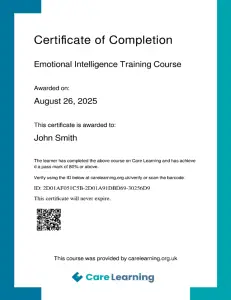
Yes. A certificate is issued after successful completion.
This course provides a balanced and practical foundation for supporting young people in an increasingly digital world. It will help learners recognise individual experiences, promote safer online participation and respond appropriately when wellbeing or safeguarding concerns arise.
Enrol now to build your understanding of social media and young people.