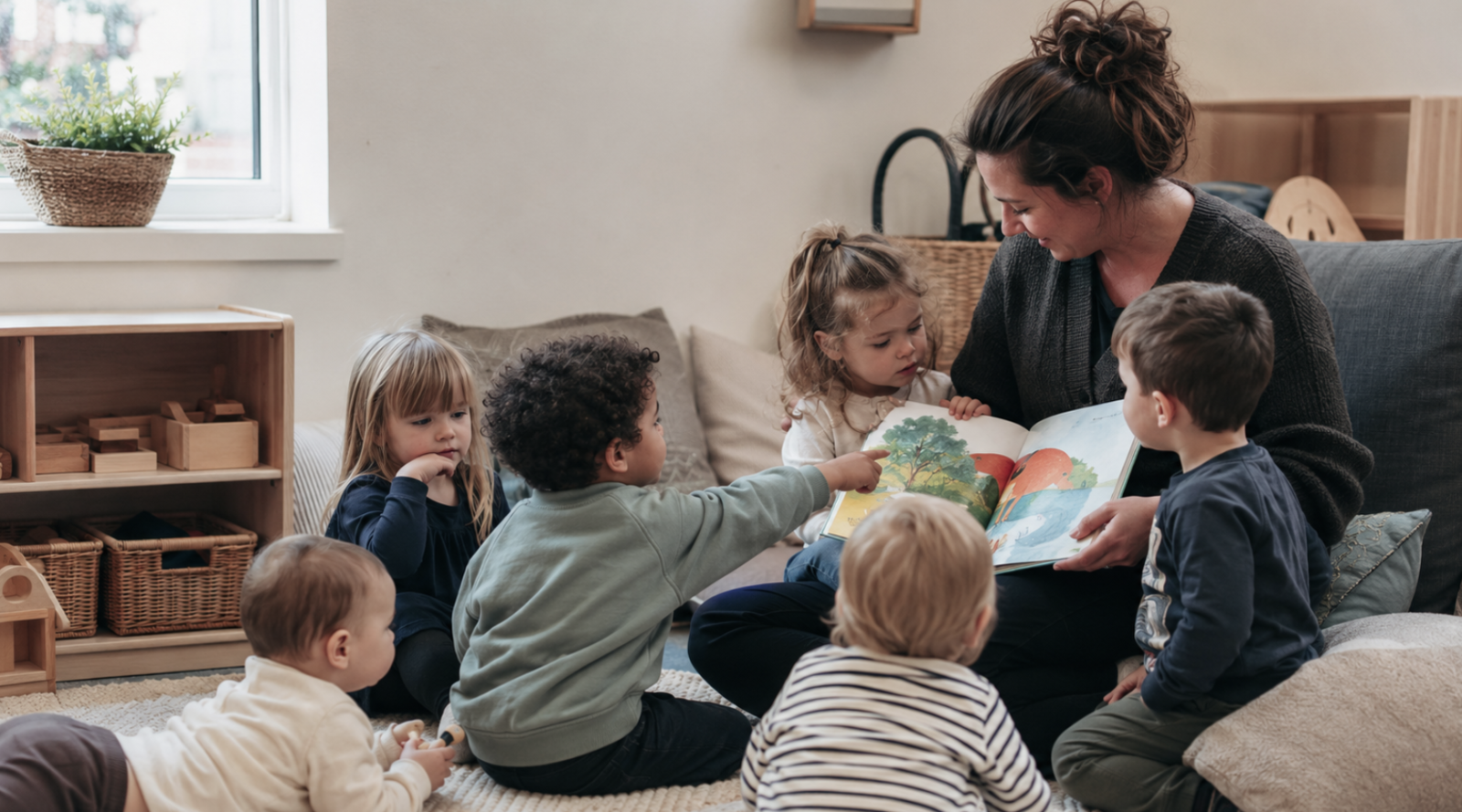
This online course is designed for early years practitioners and others who share books and stories with babies and young children. It explains how warm, responsive reading and storytelling experiences can support communication, vocabulary, listening and a positive relationship with books.
This free course covers shared book reading from infancy, speech and language development, effective story delivery, inclusive book selection, accessible participation and ways to work respectfully with families. It also outlines professional boundaries when communication causes concern and explains how practice connects with current Early Years Foundation Stage and Ofsted expectations in England.
Why Take This eLearning Course?
Reading aloud and storytelling provide valuable opportunities for children to hear language, communicate with others and explore new ideas. This course will help you create enjoyable and inclusive experiences that respond to children’s ages, interests, communication methods and individual needs.
This course will help you to:
- Make book sharing engaging for babies, toddlers and pre-school children
- Support vocabulary development through natural conversation and repetition
- Recognise broad speech, language and communication milestones
- Use voice, expression, gesture and pauses effectively
- Encourage participation without placing children under pressure
- Plan simple oral stories with a clear and memorable sequence
- Select inclusive books that avoid stereotypes and tokenism
- Adapt story sessions for different communication and sensory needs
- Work within professional boundaries when concerns arise
- Encourage families to share books, songs and stories in manageable ways
Learning Outcomes
By the end of this course, you will be able to:
- Define reading aloud, shared book reading and oral storytelling
- Explain how stories support early language, vocabulary and listening comprehension
- Describe the value of beginning book sharing during infancy
- Identify broad communication milestones from birth to five years
- Apply responsive techniques when reading with individuals and groups
- Adapt story sessions for different ages, interests and communication needs
- Create a simple oral story with a beginning, middle and end
- Assess books for suitability, representation and accessibility
- Describe appropriate observation, recording and referral responsibilities
- Explain how early reading practice relates to families, local programmes and early years expectations
Reading Aloud and Storytelling in Early Years Course Outline
The course is organised into six modules covering the foundations of shared reading, children’s communication development, practical delivery, oral storytelling, inclusive book selection and partnership with families.
Module 1: The Value of Reading Aloud and Shared Stories
Learners will explore the differences between reading aloud, shared book reading and oral storytelling, including the ways children can participate through sounds, gestures, actions and conversation. The module explains how interactive story sharing introduces vocabulary, sentence structures and ideas beyond everyday instructions. It also considers evidence supporting book sharing during the first year of life and shows how warm relationships, familiar routines and child choice can build enjoyment and a lasting interest in books.
Module 2: Language, Vocabulary and Listening Development
Learners will examine broad speech, language and communication milestones from birth to five years while recognising that children develop at different rates. The module explains how children learn new words through pictures, descriptions, repetition, familiar experiences, extended responses and play. It also considers how listening comprehension develops from brief infant responses to prediction and discussion in the pre-school years. Learners will understand how to observe and record communication concerns, speak sensitively with families and follow appropriate referral pathways without diagnosing a child.
Module 3: Planning and Delivering Engaging Story Sessions
Learners will consider how to prepare a suitable book, comfortable space, appropriate group size and supporting resources before a session begins. They will explore how tone, volume, pace, facial expression, gesture and repetition can make spoken language easier to follow. The module introduces responsive talk using comments, prompts, acknowledgement, language expansion and further opportunities to respond. It also provides practical adaptations for babies, toddlers, pre-school children and mixed-age groups while emphasising flexible participation and the avoidance of unnecessary pressure.
Module 4: Creating and Telling Simple Oral Stories
Learners will develop a clear approach to organising oral stories with an opening, a short sequence of connected actions and a meaningful ending. They will examine how repeated phrases, familiar props, puppets, songs, movement and sound effects can support anticipation and participation without distracting from the story. The module also explains how to follow children’s interests, accept suitable contributions and invite different forms of participation while protecting the story’s structure, respecting children who prefer to observe and following safeguarding procedures when necessary.
Module 5: Choosing Inclusive and Accessible Books
Learners will assess books according to children’s ages, interests, attention, language levels and the setting in which the books will be used. The module explores meaningful representation of different cultures, ethnicities, religions, languages, family structures, communities, abilities and communication methods. Learners will consider how to avoid stereotypes and tokenism by reviewing individual character portrayals and the collection as a whole. They will also examine accessible choices such as tactile books, high-contrast images, wordless stories, predictable language and agreed communication supports, alongside environmental and delivery adaptations.
Module 6: Supporting Reading and Storytelling with Families
Learners will explore manageable ways to encourage book sharing at home, including brief story moments, repeated favourites, picture talk, borrowed books, family stories, songs and child-led choices. The module emphasises the value of home languages, oral traditions and routines that reflect each family’s circumstances and strengths. It introduces national and local sources of reading support, including book-gifting programmes, libraries and community services, while explaining the importance of checking local arrangements. Learners will also consider how reading, conversation and storytelling connect with current EYFS and Ofsted expectations in England and how these requirements apply according to role and setting.
Target Audience
This course is suitable for:
- Early years practitioners and nursery staff
- Childminders and pre-school workers
- Teaching assistants working with young children
- Family support and children’s centre staff
- Library and community workers delivering early years activities
- Parents, carers and volunteers who regularly share stories with children
No previous specialist knowledge is required.
FAQ
Who is this course suitable for?
The course is suitable for anyone who reads or tells stories to babies and young children, including early years practitioners, childminders, teaching assistants, family support staff, library workers, volunteers, parents and carers.
Do I need any previous experience?
No previous specialist experience is needed. The content introduces the core principles clearly and provides practical examples that can be applied in early years settings, community services and family life.
What will I learn on this reading aloud and storytelling course?
You will learn how stories support early communication, vocabulary and listening, how to deliver engaging sessions, how to create simple oral stories and how to choose books that are inclusive, accessible and appropriate for different children.
Will this course help with day-to-day practice?
Yes. The course includes practical approaches for preparing story sessions, using expressive delivery, responding to children’s contributions, introducing new words and adapting activities when children need a different pace or form of participation.
Does the course cover practical storytelling skills?
Yes. You will learn how to structure a story with a beginning, middle and end and how to use repeated phrases, props, puppets, songs, sounds and movement to support understanding and engagement.
How does the course support inclusive story sharing?
The course explains how to select books that reflect varied cultures, families, communities and abilities without relying on stereotypes. It also covers accessible resources, sensory considerations, communication support and different ways for children to participate.
What should I do if a child’s communication causes concern?
The course explains the importance of making factual observations, following workplace procedures and discussing concerns sensitively through the appropriate route. It also makes clear that awareness-level practitioners should not diagnose or label a child.
Does it cover early years responsibilities and good practice?
Yes. The course covers professional boundaries, safeguarding responses, respectful work with families and the relationship between reading, storytelling, communication and current early years expectations in England.
How long does the course take?
The course is self-paced and usually takes around 1 hour to complete.
Will I receive a certificate?
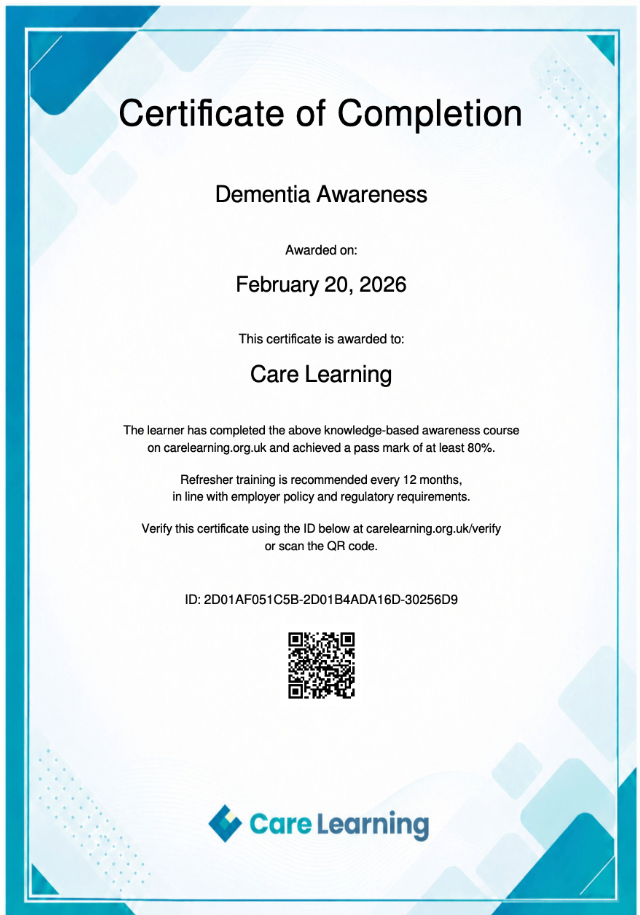
Yes. A certificate is issued after successful completion.
Reading aloud and storytelling can make language-rich interaction an enjoyable part of everyday life. This course provides practical knowledge to help you choose suitable books, respond confidently to children and create story experiences that are inclusive, flexible and meaningful.
Enrol now to build your understanding of reading aloud and storytelling in the early years.