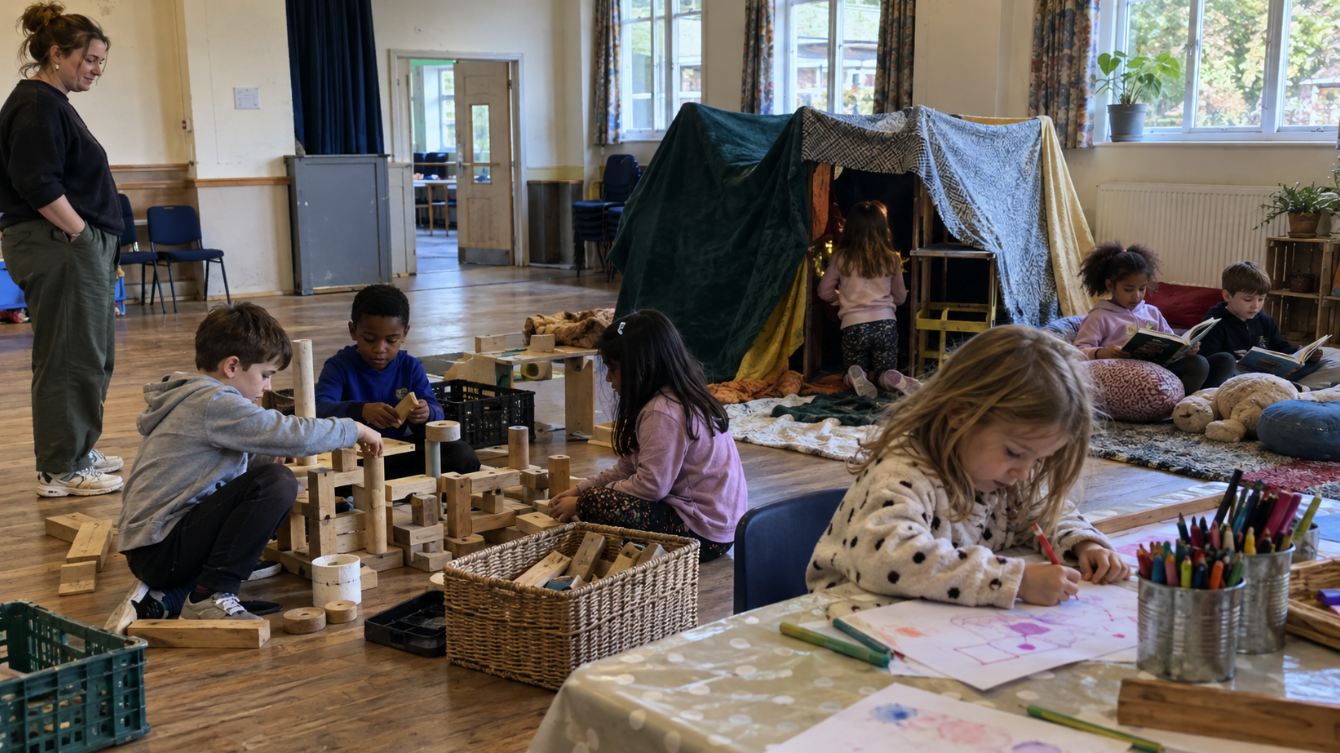
The Introduction to Playwork course provides a clear foundation for people who support children and young people in play settings. It is suitable for new playworkers, volunteers and staff working in after-school clubs, holiday playschemes, adventure playgrounds and other play provision. The course explains how playwork centres on freely chosen, personally directed play while maintaining appropriate professional oversight.
Learners will explore the Playwork Principles, the role and responsibilities of a playworker, different types of play provision and the features of supportive and inclusive play environments. The course also covers balanced approaches to risk, safeguarding responsibilities, local procedures, professional boundaries and key registration and regulatory arrangements affecting childcare provision in England.
Why Take This eLearning Course?
Effective playwork requires more than providing activities. Playworkers need to understand when to support, when to observe and when intervention is necessary. This online playwork course develops the practical awareness needed to respect children’s choices while working safely, responsibly and within the requirements of the setting.
This course will help you to:
- Understand the meaning and purpose of freely chosen, child-directed play.
- Recognise how playwork differs from more adult-led approaches to care and education.
- Support children’s ideas without unnecessarily taking control of their play.
- Create environments that offer varied, accessible and inclusive play opportunities.
- Recognise situations where safety, safeguarding or welfare concerns require intervention.
- Work within appropriate professional boundaries and know when to seek advice.
- Apply a balanced approach to challenge, risk and children’s play opportunities.
- Understand how local policies support consistent and safe practice.
- Develop greater awareness of different types of play provision.
- Recognise how registration and regulatory arrangements may affect a play setting in England.
Learning Outcomes
By the end of this course, you will be able to:
- Define playwork and explain the meaning of freely chosen play.
- Describe the purpose of the Playwork Principles and how they guide practice.
- Explain the distinction between playwork and early years care and education.
- Describe the playworker’s role in observing, supporting and responding to children’s play.
- Identify features of supportive, varied and inclusive play environments.
- Explain when intervention may be required for safety, safeguarding or welfare reasons.
- Apply professional boundaries and identify appropriate routes for advice and escalation.
- Explain a balanced approach to risk and challenge in play.
- Describe key safeguarding, reporting and local policy responsibilities.
- Outline how childcare legislation, Ofsted registration and setting-specific requirements may affect play provision in England.
Introduction to Playwork Course Outline
The course is organised into six modules, progressing from the foundations of playwork through practical responsibilities, different forms of provision, inclusive environments, safe practice and the regulatory context affecting settings in England.
Module 1: Understanding Playwork and Child-Led Play
Learners will explore what playwork means and how freely chosen play allows children and young people to decide whether, what and how they play. The module introduces the purpose of the eight Playwork Principles and considers how they provide a professional and ethical framework for practice. Learners will examine how playwork differs from early years care and education, particularly in relation to adult direction, learning goals and children’s control of the play process. It also considers the importance of allowing children to choose whether to participate, determine the direction of their play and influence how spaces and resources are used while appropriate adult oversight remains in place.
Module 2: The Playworker’s Role and Professional Responsibilities
Learners will examine the continuing process of preparing suitable play opportunities, observing children, recognising play cues, responding proportionately and reflecting on the effect of adult involvement. The module covers everyday responsibilities including welcoming children, supporting inclusion, maintaining professional relationships, looking after the play environment and following setting procedures. Learners will also consider when intervention becomes necessary because of serious safety, safeguarding or welfare concerns, together with the importance of responding proportionately. Professional boundaries, working within competence and authority, and seeking guidance from managers, safeguarding leads or other appropriate people are also addressed.
Module 3: Types of Play Provision
Learners will develop an understanding of several common forms of play provision and how playwork principles can operate within different settings. The module covers after-school clubs and the balance between childcare arrangements, opportunities to unwind and children’s choice after the school day. It also explores holiday playschemes, where longer periods can allow children to develop and revisit play ideas, and adventure playgrounds, where adaptable spaces, creativity and managed challenge may form an important part of the environment. Open access play provision is also considered, including children’s greater freedom to arrive, leave and use spaces within clearly communicated local arrangements and professional responsibilities.
Module 4: Supportive, Inclusive and Reflective Playwork Practice
Learners will consider how accessible spaces, varied resources, active and quieter areas and adaptable opportunities can support different forms of play. The module explains how playworkers can observe first, allow children time to develop their ideas, read verbal and non-verbal cues, respond lightly when support is invited and step away when adult involvement is no longer needed. It also explores inclusive playwork, including responding to different interests, communication styles, abilities, identities and experiences without making assumptions about how individual children should play. Learners will also examine reflective practice and how considering the impact of their own actions can inform more thoughtful future responses.
Module 5: Risk, Safeguarding and Safe Practice
Learners will explore a balanced approach to risk that recognises the value of suitable challenge while maintaining proportionate controls for avoidable harm. The module considers the relevance of workplace health and safety responsibilities and the importance of assessing both the benefits and real risks associated with play. Learners will also examine safeguarding responsibilities, including noticing concerns, listening appropriately to children, making factual records and reporting information promptly through agreed routes. The role of local policies in safeguarding, accidents, emergencies, supervision, access and collection is covered, together with when staff should report, seek advice or escalate concerns that remain unresolved.
Module 6: Childcare Regulation and Setting Requirements in England
Learners will gain an introductory understanding of the Childcare Act 2006 and how registration requirements can depend on children’s ages, the type and duration of care provided and any relevant exemptions. The module introduces the Early Years Register and Childcare Register and explains why some out-of-school provision may fall under different arrangements. Learners will also consider Ofsted regulation and inspection where applicable, including the different expectations associated with registration status. The module concludes by emphasising the importance of following setting-specific procedures, understanding the responsibilities attached to an individual role and seeking management guidance on regulatory or procedural matters that fall outside the worker’s competence.
Target Audience
This course is suitable for:
- New or aspiring playworkers.
- Staff working in after-school clubs and out-of-school childcare.
- Workers in holiday playschemes and adventure playgrounds.
- Volunteers supporting children in organised play settings.
- Childcare staff who want to understand the distinctive playwork approach.
- Managers or team members seeking an introductory overview of playwork responsibilities.
No previous specialist knowledge is required.
FAQ
Who is this course suitable for?
This course is suitable for people who are new to playwork or who support children in play-based settings. This includes playworkers, volunteers and staff in after-school clubs, holiday playschemes, adventure playgrounds and other out-of-school provision.
Do I need any previous experience?
No previous specialist knowledge is required. The course introduces the main ideas, responsibilities and approaches needed to build a foundation in playwork practice.
What will I learn on this Introduction to Playwork course?
You will learn about freely chosen play, the Playwork Principles, the playworker’s role, different types of play provision, supportive and inclusive environments, professional boundaries, risk, safeguarding and relevant registration arrangements in England.
Will this course help with day-to-day practice?
Yes. The course focuses on situations that playworkers may encounter in everyday settings, including deciding when to observe, support, intervene, seek advice or follow a local procedure.
Does the course cover practical skills?
The course develops practical decision-making and awareness rather than teaching a single physical technique. It explains how to observe play, respond to children’s cues, avoid taking unnecessary control, support inclusive environments and recognise when adult action is required.
Does it cover safeguarding and professional responsibilities?
Yes. The course covers recognising safeguarding concerns, listening appropriately, factual recording, prompt reporting and using agreed safeguarding routes. It also considers safety, welfare, professional boundaries, local policies and escalation procedures.
Does the course explain risk in children’s play?
Yes. Learners are introduced to a balanced approach that recognises the potential benefits of challenge while also considering foreseeable risks of harm and the need for proportionate controls.
Does the course cover Ofsted and childcare registration?
Yes. The course provides an introductory overview of the Childcare Act 2006, the Early Years Register, the Childcare Register and Ofsted regulation where applicable. It emphasises that workers should follow the arrangements of their own setting and seek management advice where responsibilities are unclear.
How long does the course take?
The course is self-paced and usually takes around 1 hour to complete.
Will I receive a certificate?
Yes. A certificate is issued after successful completion.
The Introduction to Playwork course provides a practical foundation for supporting children’s play while maintaining appropriate safeguarding, safety and professional responsibilities. It helps learners understand how thoughtful observation, proportionate intervention, inclusive environments and setting-specific procedures can support confident and responsible playwork practice.
Enrol now to build your understanding of playwork.