
This Emotional Literacy in Early Childhood course is designed for early years practitioners and other professionals supporting young children in England. It explores how children gradually learn to recognise, name, express and understand emotions, and how warm, responsive adults can support this development through everyday relationships and experiences.
This free course covers emotional development within personal, social and emotional development (PSED), responsive relationships, emotional expression, emotion coaching, co-regulation, play-based learning and appropriate boundaries. It also considers individual differences, reflective practice, consistent emotional environments and when changes in a child’s emotions or behaviour may require further attention.
Why Take This eLearning Course?
Emotional literacy develops gradually through children’s relationships, communication, play and everyday experiences. Practitioners who understand this process can respond to emotional moments with greater awareness, provide developmentally appropriate support and create an environment in which children have repeated opportunities to develop emotional understanding.
This course will help you to:
- Understand how emotional literacy develops during early childhood.
- Recognise the importance of warm and responsive adult relationships.
- Respond to behaviour with greater awareness of possible emotional communication.
- Use simple emotional language appropriately with young children.
- Apply principles of emotion coaching and co-regulation.
- Support children while maintaining clear and safe boundaries.
- Build emotional learning naturally into routines, play and social experiences.
- Adapt emotional support to children’s individual development and communication needs.
- Reflect on how your own responses can influence emotional interactions.
- Recognise when persistent or significant changes may require further attention.
Learning Outcomes
By the end of this course, you will be able to:
- Define emotional literacy in the early years.
- Describe how emotional understanding develops in young children.
- Explain how emotional literacy can support wellbeing, relationships, communication and learning.
- Describe emotional development within PSED and the EYFS.
- Explain the role of responsive relationships, emotion coaching and co-regulation.
- Interpret emotional expression as communication while maintaining appropriate boundaries.
- Use noticing, naming and validation to support children’s understanding of feelings.
- Identify practical opportunities for emotional learning through routines and play.
- Adapt emotional support according to individual development, communication and additional needs.
- Identify appropriate responses when emotional or behavioural changes require further attention.
Emotional Literacy in Early Childhood Course Outline
The course is organised into six modules that move from understanding emotional literacy and development to practical approaches for supporting children, embedding emotional learning and reflecting on professional practice.
Module 1: Understanding Emotional Literacy and Development
Learners will explore what emotional literacy means during the early years, including children’s developing ability to recognise, name, express and begin to understand feelings. The module explains how emotional development progresses at different rates and is influenced by language, relationships, individual development and experience. It also considers why emotional literacy matters for wellbeing, communication, relationships and learning, while recognising that children’s later mental health is influenced by many interacting factors.
Module 2: Emotional Development and Responsive Relationships
Learners will examine emotional development within personal, social and emotional development, one of the three prime areas of learning within the EYFS. The module considers how emotional learning happens through relationships, routines, play and everyday experiences. It explains how adults can notice children’s cues, approach calmly, offer suitable emotional language, support regulation and revisit experiences when children are ready. Learners will also consider behaviour as a possible form of emotional communication while maintaining clear expectations and safe limits.
Module 3: Emotion Coaching and Co-Regulation
Learners will develop practical understanding of how to notice, name and validate children’s feelings without making assumptions about their experiences. The module introduces the principles of emotion coaching, including emotional acknowledgement, connection, clear boundaries and age-appropriate problem-solving. It also explores co-regulation and the influence of adult tone, body language, language and emotional state, including the importance of adult self-awareness, reflection and repair following difficult interactions.
Module 4: Embedding Emotional Learning Through Everyday Practice
Learners will identify opportunities to support emotional understanding during familiar routines, transitions, social experiences and play. The module explores the use of stories, puppets, role play, pictures, mirrors, songs and action games as developmentally appropriate ways of introducing emotional language. It also explains why emotional literacy is most effectively supported through repeated, consistent experiences across the setting rather than relying on isolated activities or resources.
Module 5: Supporting Different Emotional Experiences
Learners will consider supportive responses to both high-energy emotions, such as anger, frustration and excitement, and quieter experiences, including sadness, worry, jealousy and disappointment. The module explains how adults can acknowledge feelings while setting clear limits, protecting safety, offering alternatives and reconnecting afterwards. Learners will also examine how support can be adapted according to age, development, communication needs, temperament, additional needs and the individual patterns of each child.
Module 6: Reflective and Consistent Professional Practice
Learners will explore how practitioners can reflect on their own emotional responses and recognise changes in voice, expression, posture or behaviour that may influence interactions with children. The module considers how shared language, predictable adult responses, inclusive resources and effective communication within the staff team can create a consistent emotional environment. It also explains when persistent, marked or unusual emotional or behavioural changes may require further attention, including factual observation, appropriate information sharing, following setting procedures and seeking support from relevant colleagues or professionals when necessary.
Target Audience
This course is suitable for:
- Early years practitioners working in nurseries, preschools and other early years settings.
- Nursery assistants and early years support staff.
- Childminders and other professionals supporting young children.
- Early years leaders, room leaders and managers.
- Staff who want to strengthen their understanding of PSED and emotional development.
- Professionals who support children’s wellbeing, communication and development in early childhood.
No previous specialist knowledge is required.
FAQ
Who is this course suitable for?
This course is suitable for early years practitioners, childminders, nursery staff, managers and other professionals who support young children’s emotional development. It is particularly relevant to those working within England’s early years context.
Do I need any previous experience?
No specialist knowledge of emotional literacy is required. The course introduces the key concepts clearly and develops practical understanding that can be applied within everyday early years practice.
What will I learn on this emotional literacy course?
You will learn how emotional literacy develops in young children, how adults can notice and respond to feelings, and how responsive relationships support emotional understanding. The course also covers emotion coaching, co-regulation, play-based activities, appropriate boundaries, individual needs, reflective practice and situations that may require further attention.
Will this course help with day-to-day practice?
Yes. The course focuses on emotional moments that arise naturally during play, transitions, separation, waiting, sharing, conflict, disappointment and other everyday experiences. It explains how practitioners can use calm responses, suitable language and predictable support throughout the day.
Does the course cover practical skills?
Yes. You will explore practical approaches such as noticing emotional cues, naming and validating feelings, supporting regulation, setting limits, offering alternatives and using stories, puppets, pictures, role play, songs and other play-based experiences to support emotional learning.
Does the course cover relevant responsibilities or good practice?
Yes. The course considers emotional development within the EYFS and emphasises developmentally appropriate, responsive and safe practice. It also covers factual observation, confidentiality, information sharing, setting procedures and seeking appropriate support when persistent changes raise concerns about a child’s development, wellbeing or safety.
How can practitioners support emotions without accepting unsafe behaviour?
Practitioners can acknowledge and validate a child’s emotional experience while remaining clear that unsafe actions are not acceptable. Calm limits, proportionate intervention, suitable alternatives and warm reconnection afterwards can help children experience both emotional understanding and consistent boundaries.
How does the course address individual differences between children?
The course explains that children differ in development, communication, temperament, sensory experiences and additional needs. Practitioners are encouraged to observe the individual child and adapt language, expectations, communication methods, environments and support accordingly while maintaining appropriate safety expectations.
When might changes in a child’s emotions or behaviour need further attention?
Further attention may be appropriate when changes are persistent, marked, unusual for the individual child or linked with concerns about development, wellbeing or safety. Practitioners should record factual observations, follow their setting’s agreed procedures, share concerns appropriately and seek relevant professional support where required. Safeguarding concerns should be addressed through safeguarding procedures.
How long does the course take?
The course is self-paced and usually takes around 1 hour to complete.
Will I receive a certificate?
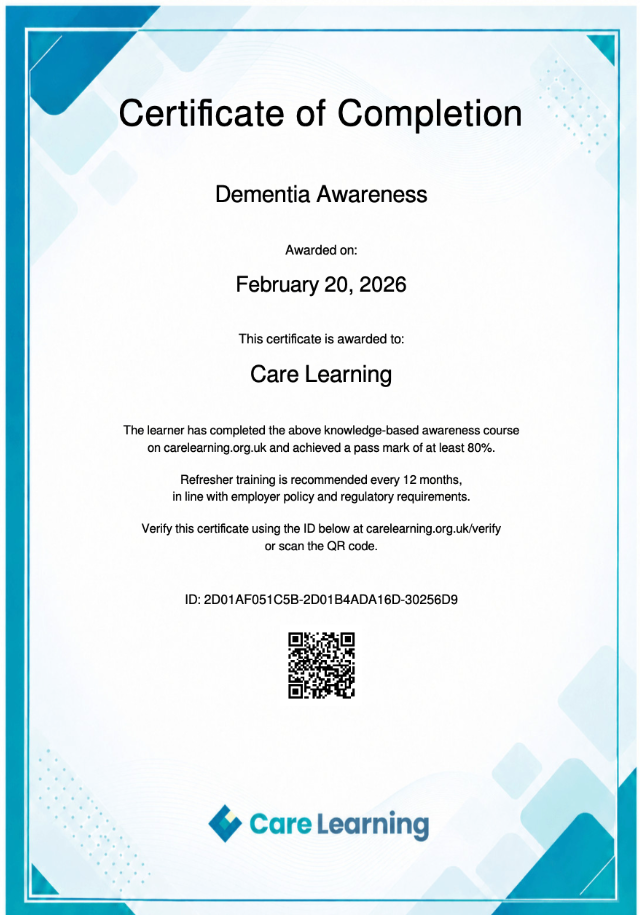
Yes. A certificate is issued after successful completion.
Developing emotional literacy is an ongoing process supported through relationships, everyday experiences and repeated opportunities to understand and communicate feelings. This course provides early years practitioners with practical knowledge for creating responsive, consistent and developmentally appropriate emotional support while maintaining safe boundaries and recognising individual needs.
Enrol now to build your understanding of emotional literacy in early childhood.