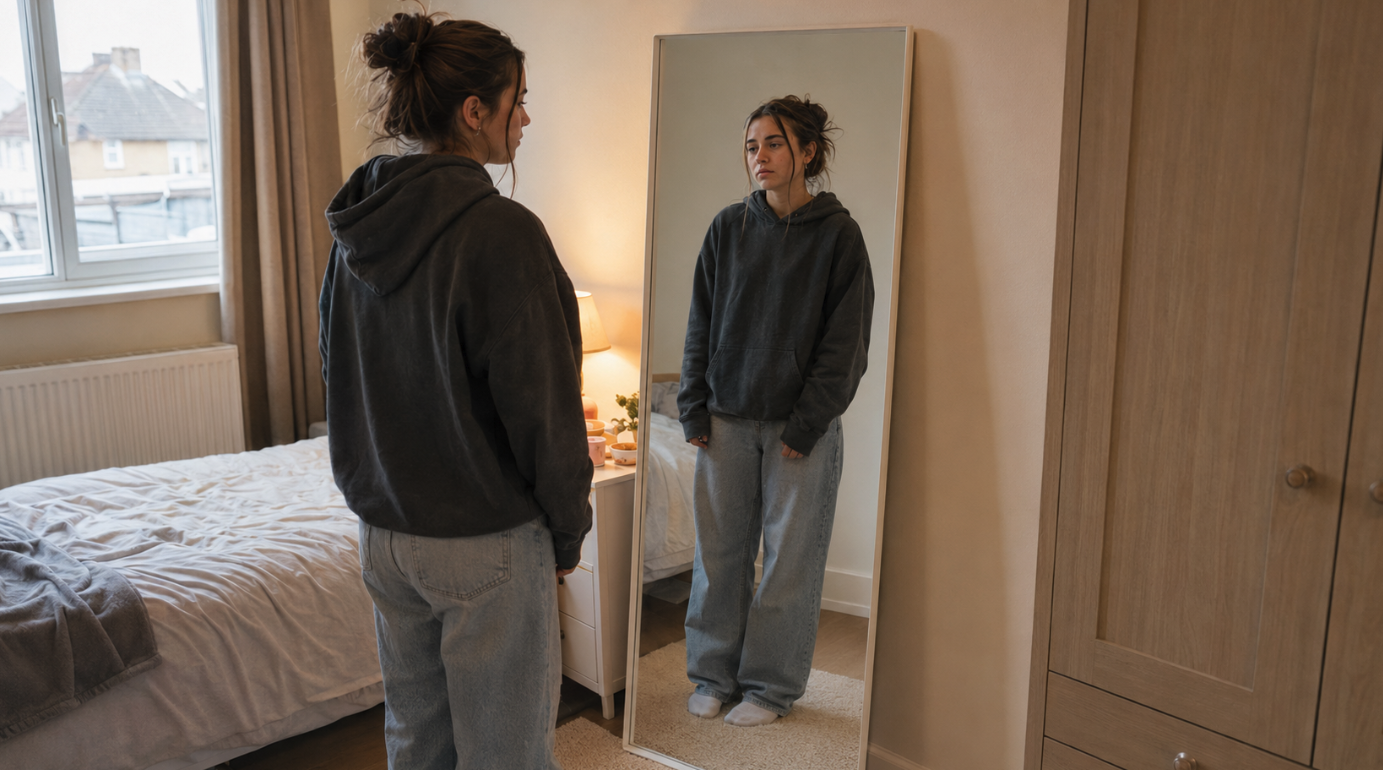
This Body Image Awareness course is designed for practitioners and staff who work with or support children and young people. It develops a clear understanding of how body image can change during adolescence, the pressures young people may experience and how adults can respond sensitively and appropriately.
This free course explores social media, peer influence, appearance pressures, self-esteem, eating and mental health concerns, media literacy and inclusive approaches. It also covers sensitive conversations, signs that additional support may be needed, professional role boundaries, referral and safeguarding responsibilities.
Why Take This eLearning Course?
Body image concerns can affect confidence, relationships, participation and wellbeing, while the experiences behind them can vary considerably between young people. This course helps practitioners recognise relevant influences and concerns without making assumptions, while supporting respectful, inclusive and proportionate responses.
This course will help you to:
- Develop a clearer understanding of body image and body dissatisfaction in adolescence.
- Recognise the range of social, cultural, personal and media influences that can shape body confidence.
- Understand how social comparison and curated online content may affect expectations about appearance.
- Respond more confidently to appearance-based comments, teasing and bullying.
- Recognise that body image pressures can affect young people of different genders, identities and backgrounds.
- Understand possible links between body dissatisfaction, self-esteem, eating, exercise and emotional wellbeing.
- Identify changes that may indicate a young person needs further support.
- Encourage healthier media literacy and less appearance-focused ways of thinking.
- Create more inclusive environments that reduce unnecessary appearance judgement.
- Hold sensitive conversations while maintaining appropriate professional and safeguarding boundaries.
Learning Outcomes
By the end of this course, you will be able to:
- Define body image and distinguish everyday concerns from persistent body dissatisfaction.
- Describe how adolescence and puberty can influence a young person’s relationship with their body.
- Identify common personal, social, cultural, peer and media influences on body image.
- Explain how social media, curated content and appearance comparison can affect young people.
- Describe different appearance pressures that may affect girls, boys and young people with varied identities and experiences.
- Explain how body dissatisfaction may relate to self-esteem, eating, exercise, emotional health and social participation.
- Identify signs that may indicate a need for additional support or professional advice.
- Describe media literacy, body neutrality and body functionality as potentially protective approaches.
- Demonstrate appropriate principles for sensitive, non-judgemental conversations about body image.
- Explain professional role boundaries and when concerns may require advice, referral, escalation or safeguarding action.
Body Image Awareness Course Outline
Module 1: Understanding Body Image in Adolescence
Learners will explore what body image means, including the thoughts, feelings and perceptions a young person may have about their appearance. The module distinguishes occasional concerns from persistent dissatisfaction and examines how puberty, identity development and social comparison can influence body image during adolescence. It also introduces the wide range of family, peer, cultural, community, sport, advertising and media influences that can shape how appearance messages are understood.
Module 2: Social Media, Comparison and Peer Influence
Learners will examine how social media can affect body image through appearance-focused content, editing, filters, influencers, online communities and algorithm-driven recommendations. The module explains how curated content can lead to unrealistic comparison and explores the influence of peer norms, casual comments, repeated appearance-focused conversations, teasing and bullying. It also considers how practitioners can challenge harmful language respectfully and promote healthier peer cultures.
Module 3: Appearance Pressures and Individual Experiences
Learners will consider appearance pressures that may affect girls and young women, including expectations relating to body shape, beauty standards and sexualised appearance, alongside pressures that may affect boys and young men around muscularity, size, leanness, height and performance. The module emphasises that experiences cannot be predicted from gender or appearance alone and explores how puberty, culture, ethnicity, gender identity, disability, neurodivergence, sexuality, sport and personal experiences can influence body image.
Module 4: Body Image, Self-Esteem and Additional Support
Learners will explore the relationship between body dissatisfaction and self-esteem while recognising that a young person’s sense of worth is influenced by many wider aspects of life. The module considers how body image concerns may occur alongside changes in eating, exercise, emotional health and social participation, without assuming that these changes confirm a diagnosis. Learners will also identify patterns of behaviour or distress that may indicate a need for further conversation, assessment or professional support.
Module 5: Protective and Inclusive Approaches
Learners will develop an understanding of media literacy and how questioning edited, selected or commercially influenced content can reduce unhelpful appearance comparison. The module introduces body neutrality and body functionality as approaches that reduce pressure to judge the body continually by its appearance. It also explores practical ways to create more supportive environments through diverse representation, respectful language, consistent responses to teasing, recognition of wider personal strengths and inclusive participation.
Module 6: Sensitive Conversations, Professional Boundaries and Safeguarding
Learners will consider how to begin respectful conversations about body image by choosing an appropriate setting, asking open questions, listening carefully and explaining confidentiality and its limits. The module distinguishes helpful practitioner responses from language or advice that may reinforce appearance concerns and highlights the importance of remaining within professional competence. It concludes by explaining when practitioners should seek professional advice, use referral pathways or follow safeguarding procedures where concerns about physical health, mental health, self-harm, abuse, neglect, exploitation or other risks arise.
Target Audience
This course is suitable for:
- Health and social care staff who support children, teenagers or young adults.
- Youth workers and professionals working in community services.
- Teachers, pastoral staff and other education professionals.
- Sports, activity and recreation staff working with young people.
- Support workers, volunteers and practitioners involved in young people’s wellbeing.
- Managers and team leaders responsible for promoting safe and inclusive practice.
No previous specialist knowledge is required.
FAQ
Who is the Young People and Body Image Awareness course suitable for?
The course is suitable for people who work with, supervise or support young people and may encounter conversations or concerns about appearance, confidence, eating, exercise, social media or wellbeing. This includes practitioners across health and social care, education, youth, community and sport settings.
Do I need any previous experience?
No previous specialist knowledge of body image or eating disorders is required. The course introduces the subject in clear, practical language and is suitable for learners who want to strengthen their awareness and professional response.
What will I learn on this course?
You will learn what body image and body dissatisfaction mean, how adolescence and social influences can affect body confidence, and how social media, peer culture and appearance pressures may shape a young person’s experience. You will also learn about warning signs, supportive approaches, sensitive conversations and appropriate professional boundaries.
Will this course help with day-to-day practice?
Yes. The course provides practical principles for listening to young people, responding to appearance-based comments, recognising changes that may require further support and creating environments that place less emphasis on appearance. It also helps practitioners avoid assumptions or responses that could unintentionally reinforce body dissatisfaction.
Does the course cover practical skills?
The course focuses on practical awareness and communication rather than clinical assessment or treatment. It covers how to start sensitive conversations, use non-judgemental language, challenge inappropriate appearance comments, recognise concerning patterns and decide when further advice or action may be needed.
Does it cover relevant responsibilities or good practice?
Yes. The course explains the importance of working within your role and competence, recording and responding to concerns appropriately, using relevant referral pathways and following organisational safeguarding procedures where a young person’s health, wellbeing or safety may be at risk.
How long does the course take?
The course is self-paced and usually takes around 1 hour to complete.
Will I receive a certificate?
Yes. A certificate is issued after successful completion.
This course provides a practical foundation for understanding body image in young people and responding with sensitivity, inclusion and appropriate professional judgement. It supports practitioners to recognise individual experiences, encourage respectful environments and know when a concern may require additional help.
Enrol now to build your understanding of young people and body image awareness.