This online equality, diversity and inclusion course is designed for managers, supervisors and team leaders working in health and social care. It develops the knowledge needed to make fair workplace decisions, support staff appropriately and create working environments where people can participate, contribute and raise concerns.
This free course explores equality, equity, diversity, inclusion and belonging alongside relevant equality law, inclusive recruitment, reasonable adjustments, performance management, workplace concerns and responsible use of workforce information. It also examines the boundaries of a manager’s role and when HR, safeguarding, employee relations or specialist advice may be required.
Why Take This eLearning Course?
Managers influence access to opportunities, staff confidence and workplace culture through everyday decisions. This course supports managers to recognise barriers, apply fair and transparent processes and respond appropriately when equality or inclusion concerns arise.
This course will help you to:
- Make fairer and more transparent management decisions.
- Recognise how everyday management behaviour affects inclusion and psychological safety.
- Improve access to work, development and progression opportunities.
- Apply more inclusive approaches to recruitment, induction and performance management.
- Hold constructive conversations about reasonable adjustments and workplace barriers.
- Communicate and run meetings in ways that support wider participation.
- Recognise warning signs of exclusion, harassment, victimisation and retaliatory behaviour.
- Respond appropriately when staff raise equality or inclusion concerns.
- Understand when formal reporting routes or specialist advice are needed.
- Use workforce information and regular management routines to review inclusion over time.
Learning Outcomes
By the end of this course, you will be able to:
- Define equality, equity, diversity, inclusion and belonging and distinguish between them.
- Explain how management behaviour can affect team climate, psychological safety and staff voice.
- Identify the protected characteristics and the jurisdiction of the Equality Act 2010 framework covered in the course.
- Describe key discrimination concepts at an appropriate management-awareness level.
- Apply inclusive principles to recruitment, induction, work allocation, development and performance management.
- Explain the manager’s role in reasonable-adjustment discussions, implementation and review.
- Identify inclusive communication practices and respect appropriate boundaries around personal disclosure.
- Recognise exclusion, bullying, harassment, victimisation and retaliatory behaviour and respond within management authority.
- Identify when HR, grievance, disciplinary, safeguarding, whistleblowing or specialist routes may be required.
- Review workforce information, management patterns and agreed actions to support continuing accountability.
Equality, Diversity and Inclusion for Managers Course Outline
The course is organised into seven modules covering the foundations of inclusive management, equality law, fair employment processes, workplace adjustments, responding to concerns, formal reporting routes and ongoing organisational accountability.
Module 1: Foundations of Inclusive Management
Learners will explore the differences between equality, equity, diversity, inclusion and belonging and consider how these concepts influence day-to-day management. The module explains how managers shape psychological safety and staff voice through their responses, communication and behaviour. Learners will also examine how decisions about shifts, duties, development and high-profile work can affect access to opportunity. Intersectionality is introduced as a way of considering overlapping experiences without stereotyping individuals or ranking one protected characteristic above another.
Module 2: Equality Law and Protected Characteristics
Learners will develop awareness of the Equality Act 2010 framework covered by the course, including its application in England, Scotland and Wales and the separate legal framework applying in Northern Ireland. The module introduces the nine protected characteristics and explains direct and indirect discrimination, harassment, victimisation and disability-related provisions at awareness level. Learners will consider complex workplace situations involving more than one characteristic or interest and the importance of evidence, context and appropriate advice. The module also explains positive action and the Public Sector Equality Duty, including the need to follow the correct organisational and jurisdictional arrangements.
Module 3: Fair Recruitment, Development and Performance Management
Learners will examine inclusive recruitment and selection, including clear role criteria, accessible processes, consistent assessment and appropriate record keeping. The module covers fair induction and probation practices, showing how managers can combine consistent expectations with suitable individual support. Learners will consider transparent approaches to allocating work, overtime, training, mentoring, acting-up duties and other development opportunities. Objective performance management is also explored, with an emphasis on evidence, comparable standards, workplace barriers, reasonable adjustments and approved organisational procedures.
Module 4: Reasonable Adjustments and Inclusive Communication
Learners will explore the manager’s role in conversations about reasonable adjustments for disabled workers, focusing on workplace barriers, possible solutions and the limits of management authority. The module explains how agreed adjustments can be recorded, implemented, protected and reviewed as circumstances change. Learners will also examine inclusive written, spoken, remote and hybrid communication, including accessible information, meeting participation and fair access to decisions. The module concludes by considering how managers can respond to individual needs without pressuring employees to disclose unnecessary private information.
Module 5: Preventing and Responding to Inappropriate Behaviour
Learners will identify potential signs of exclusion, bullying, harassment, victimisation and retaliatory behaviour while recognising the difference between noticing a concern and making a formal legal or disciplinary finding. The module examines the manager’s role in preventing and responding to sexual harassment, including the preventive duty in force in Great Britain as at 4 September 2026 and the legal changes scheduled for 30 October 2026. Learners will work through an appropriate approach to receiving equality or inclusion concerns, covering listening, immediate needs, factual recording, referral and continuing support. The module also explains how managers can address inappropriate behaviour promptly while remaining within their authority and preserving fair formal processes.
Module 6: Formal Processes, Reporting and Specialist Support
Learners will explore when HR or employee relations support, grievance procedures and disciplinary processes may be required. The module explains how equality concerns can overlap with safeguarding, whistleblowing, Freedom to Speak Up and other formal reporting arrangements, particularly within health and social care services. Learners will identify circumstances in which Acas guidance, trade union representation or qualified legal advice may be appropriate. Confidentiality, factual recording, secure information handling and authorised need-to-know sharing are also covered to support fair and responsible management processes.
Module 7: Workforce Information, Inclusion and Accountability
Learners will consider how workforce equality information can be collected, accessed and analysed responsibly for a defined organisational purpose. The module examines how managers can review patterns in recruitment, retention, shifts, development, progression, adjustments and other decisions without assuming that a difference automatically proves discrimination. Learners will explore ways to embed inclusion into supervision, team meetings, handovers, communication and development conversations. The final section focuses on accountability through practical actions, named responsibilities, outcome review, escalation of systemic barriers, checks against current guidance and appropriate specialist review.
Target Audience
This course is suitable for:
- Health and social care managers with responsibility for staff or workplace decisions.
- Team leaders and supervisors who manage day-to-day employee relationships.
- Registered managers and service managers responsible for workplace culture and staff practice.
- Aspiring managers preparing to take on line-management responsibilities.
- Managers involved in recruitment, induction, performance, development or staff allocation.
- People professionals and learning leads who support managers with inclusive workplace practice.
No previous specialist knowledge is required.
FAQ
Who is this course suitable for?
The course is designed primarily for managers, supervisors and team leaders working in health and social care. It is also suitable for aspiring managers and people who support recruitment, staff development, performance or workplace inclusion.
Do I need any previous experience?
No specialist equality or employment-law knowledge is required. The course develops management-level awareness and focuses on recognising issues, following fair processes and knowing when specialist advice is appropriate.
What will I learn on this equality, diversity and inclusion for managers course?
You will learn about inclusive management principles, protected characteristics, discrimination concepts, fair recruitment and performance processes, reasonable adjustments, inclusive communication, workplace concerns, formal reporting routes and organisational accountability.
Will this course help with day-to-day management practice?
Yes. The content focuses on decisions managers regularly make, including allocating work, supporting staff, running meetings, reviewing performance, managing development opportunities and responding when concerns are raised.
Does the course cover practical skills?
The course develops practical management approaches such as holding adjustment conversations, receiving staff concerns, recording relevant facts, making inclusive workplace decisions and identifying when an issue needs to be referred through a formal or specialist route.
Does the course cover relevant equality responsibilities and good practice?
Yes. It provides awareness of the Equality Act 2010 framework in Great Britain, protected characteristics, discrimination concepts, reasonable adjustments, positive action and the Public Sector Equality Duty where relevant. It also explains that managers should use current organisational procedures and obtain specialist advice for complex or case-specific legal issues.
Does the course cover sexual harassment and inappropriate workplace behaviour?
Yes. The course explains the manager’s role in preventing and responding to sexual harassment, recognising other inappropriate or retaliatory behaviour and following the correct organisational process. It also highlights the need to check current policies and legal requirements where the law changes.
How long does the course take?
The course is self-paced and usually takes around 1 hour to complete.
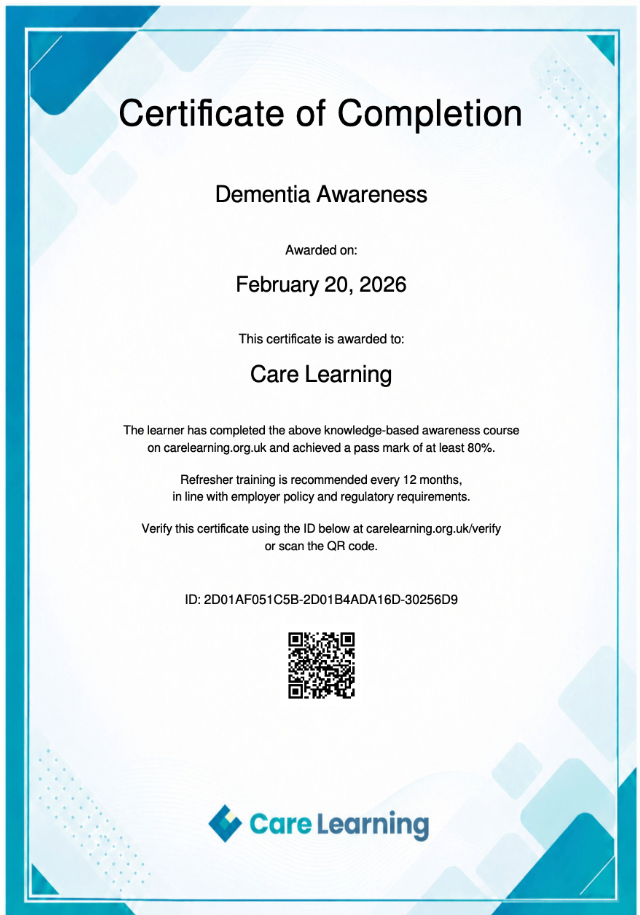
Will I receive a certificate?
Yes. A certificate is issued after successful completion.
Inclusive management depends on consistent everyday decisions as much as formal policies. This course gives managers a structured understanding of how to recognise barriers, support staff fairly, respond appropriately to concerns and keep inclusion under review as part of normal management practice.
Enrol now to build your understanding of inclusive management, equality, diversity and inclusion.