This Transitions in Early Years course is designed for early years practitioners and others who support young children as they experience changes in settings, routines, relationships and expectations. It explores how thoughtful transition planning can promote wellbeing, continuity and confidence while recognising that every child responds to change differently.
This free course covers everyday and major transitions, settling into a new setting, internal room moves, starting Reception, additional support for children with SEND, partnership with families and professionals, and safe information sharing. Learners will also explore the Reception Baseline Assessment context in England, inclusive adjustments and common transition mistakes to avoid.
Why Take This eLearning Course?
Transitions can influence how secure, confident and engaged a young child feels in a new environment. Effective early years transition practice combines preparation, responsive relationships, communication with families and appropriate information sharing so that support reflects the individual child rather than a fixed process.
This course will help you to:
- Understand how different types of transition may affect young children.
- Support children to settle into unfamiliar settings and routines.
- Plan gradual and responsive internal room moves.
- Recognise when a child may benefit from additional transition support.
- Prepare children for Reception in developmentally appropriate ways.
- Promote continuity for children with SEND or additional needs.
- Work effectively with families, SENCOs, schools and other professionals.
- Share useful transition information clearly and proportionately.
- Apply appropriate confidentiality, data protection and safeguarding principles.
- Identify common transition mistakes and improve follow-through after a move.
Learning Outcomes
By the end of this course, you will be able to:
- Define key terms associated with transitions in the early years.
- Identify common everyday and major transition points for young children.
- Explain how transitions can affect wellbeing, communication, relationships and development.
- Describe practical strategies for settling children into new settings and rooms.
- Recognise indicators that additional transition support may be needed.
- Explain effective preparation for starting Reception, including the context of the Reception Baseline Assessment.
- Identify inclusive adjustments that can support children with SEND and other additional needs.
- Describe how to work collaboratively with families, SENCOs, schools and relevant professionals.
- Explain what information should be shared during transitions and how to handle it safely.
- Apply good practice to avoid rushed, incomplete or overly standardised transition arrangements.
Transitions in Early Years Course Outline
Module 1: Understanding Transitions and Their Impact
Learners will explore what transitions mean in early childhood and distinguish between everyday changes, major transition points, continuity, settling in and transition planning. The module considers common experiences such as changes to routines or key people, moving rooms, changing providers and starting Reception. It also examines how transitions can affect wellbeing and development, including communication, relationships, emotional responses and self-regulation, while emphasising the importance of observing each child’s individual response rather than making assumptions.
Module 2: Settling In and Supporting Change Within a Setting
Learners will examine practical ways to prepare children and families for entry into a new early years setting, including early communication, introductory visits, consistent key-person support, familiar routines and responsive settling arrangements. The module also explains how to plan internal room moves through preparation, short visits, careful handovers and review. Learners will consider changes in communication, play, relationships, eating, sleep and emotional responses that may indicate a need for further support, including when discussion with families, a SENCO, manager or another appropriate professional may be helpful.
Module 3: Supporting the Transition to Reception
Learners will explore joined-up planning between early years providers, schools and families when children are preparing to start Reception. This includes early contact, shared experiences, timely transfer of relevant information and developmentally appropriate activities such as visits, familiar photographs, stories, conversations and role play. The module also explains the purpose and timing of the Reception Baseline Assessment in relevant state-funded Reception settings in England, its broad assessment areas, accessibility considerations and why children should not be trained specifically for the assessment or treated as needing to pass a school-readiness test.
Module 4: Enhanced and Inclusive Transition Planning
Learners will consider circumstances in which a child may benefit from enhanced transition planning, including identified or emerging SEND, communication or sensory differences, medical or physical requirements, an EHC plan or involvement from several professionals. The module explores reasonable and inclusive adjustments relating to communication, visits, routines, sensory needs and physical access. It also clarifies effective collaboration with SENCOs, families and specialists, including the importance of sharing successful strategies while remaining within professional roles and avoiding unsupported diagnosis or specialist decision-making.
Module 5: Partnership, Handover and Collaborative Working
Learners will explore how respectful two-way communication with families supports continuity during transitions. The module considers how to share meaningful information about a child’s strengths, interests, communication, relationships, routines, learning, support needs, health, SEND, views and safeguarding considerations. Learners will also examine practical collaboration between early years settings, schools and relevant health professionals through direct conversations, transition records, joint meetings, visits, professional liaison and timely updates, with a focus on purposeful and proportionate information exchange.
Module 6: Information Sharing, Confidentiality and Good Transition Practice
Learners will examine information-sharing expectations within the Early Years Foundation Stage, including routine information exchange, communication with parents and carers and considerations relating to the progress check at age two. The module explains how transition information should be accurate, relevant, securely handled and shared through approved procedures, while recognising that safeguarding information may require a different approach from ordinary transition administration. Learners will also review common mistakes such as late planning, standardised approaches, incomplete handovers and lack of follow-up, and consider how early preparation, child-centred practice, review and appropriate escalation can improve transition support.
Target Audience
This course is suitable for:
- Early years practitioners working in nurseries, pre-schools and other early years settings.
- Childminders and other professionals supporting young children through changes in provision.
- Nursery and early years room leaders responsible for transition arrangements.
- Reception practitioners and school staff involved in children starting Reception.
- SENCOs, managers and team leaders contributing to transition planning.
- Staff who work with families or professionals to support continuity between settings.
No previous specialist knowledge is required.
FAQ
Who is this course suitable for?
This course is suitable for early years practitioners, childminders, room leaders, managers, SENCOs and Reception staff who support young children through changes in routines, rooms, providers or educational settings.
Do I need any previous experience?
No specialist transition-planning experience is required. The course introduces key concepts and practical approaches that can be applied by learners working at different levels within early years provision.
What will I learn on this Transitions in Early Years course?
You will learn about different types of transition, their possible effects on children, settling-in strategies, internal room moves, preparation for Reception, enhanced support, inclusive adjustments, family partnership and safe information sharing.
Will this course help with day-to-day practice?
Yes. The course focuses on practical approaches such as planning ahead, observing children’s responses, involving families, maintaining familiar support, organising visits, completing effective handovers and reviewing arrangements after a transition.
Does the course cover practical skills?
The course develops practical knowledge for planning and supporting transitions rather than teaching a physical skill. It includes examples of settling strategies, Reception preparation, collaborative planning, information sharing and ways to respond when a child needs additional support.
Does it cover relevant responsibilities and good practice?
Yes. The course considers responsibilities connected with the EYFS, reasonable adjustments under the Equality Act 2010, appropriate professional roles, confidentiality, safeguarding information sharing and collaboration with SENCOs and other professionals.
Does the course cover children with SEND or additional needs?
Yes. Learners will explore when enhanced planning may be useful and how communication support, adapted visits, familiar routines, sensory adjustments, access arrangements and existing successful strategies can help maintain continuity.
Does the course explain the Reception Baseline Assessment?
Yes. The course explains the purpose and general context of the Reception Baseline Assessment in relevant state-funded Reception settings in England. It also reinforces that transition activities should support children’s broad development and familiarity with school rather than train them for the assessment.
How long does the course take?
The course is self-paced and usually takes around 1 hour to complete.
Will I receive a certificate?
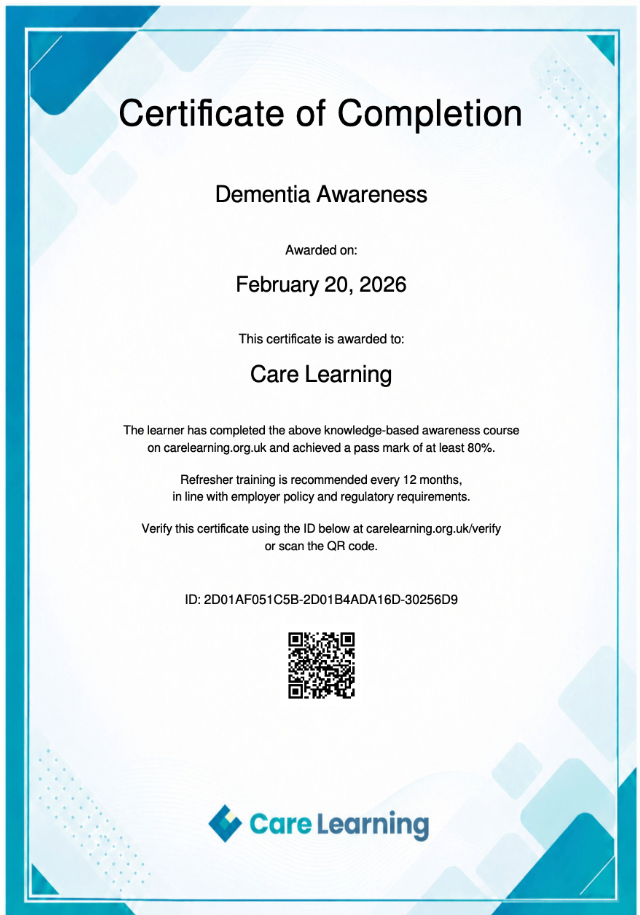
Yes. A certificate is issued after successful completion.
Supporting children through transition requires more than preparing them for a single moving day. This course provides a clear framework for planning ahead, working with families and professionals, responding to individual needs and creating greater continuity as children move between people, routines and settings.
Enrol now to build your understanding of transitions in the early years.