
The Asking Better Questions at Work Training Course develops practical communication skills for people who need to gather information, clarify meaning and understand requests, concerns or expectations. It is particularly relevant to staff working in health and social care and other public-facing services where questions need to be purposeful, respectful and appropriate to the person’s role.
This free course explores effective questioning as a transferable workplace skill, including open, closed, clarifying and probing questions, neutral wording, careful listening and proportionate follow-up. Learners also consider privacy, accessibility, sensitive conversations, professional boundaries, information handling and when questioning should stop so that appropriate support, referral or escalation can take place.
Why Take This eLearning Course?
Good questioning can improve understanding, reduce assumptions and help people respond appropriately to the information they receive. This course supports learners to use questions thoughtfully, listen carefully and recognise the limits of their own responsibilities in a range of workplace conversations.
This course will help you to:
- Ask clearer, more purposeful workplace questions.
- Select question types that suit the information you need.
- Use neutral language without leading or influencing answers.
- Listen carefully and choose relevant follow-up questions.
- Clarify meaning before acting on assumptions.
- Handle sensitive questions in a proportionate way.
- Support respectful, inclusive and accessible communication.
- Protect privacy and avoid collecting unnecessary information.
- Recognise professional, ethical and role boundaries.
- Know when to pause, seek support or use an escalation procedure.
Learning Outcomes
By the end of this course, you will be able to:
- Define effective questioning as a transferable workplace skill.
- Explain the purposes, benefits and limitations of workplace questioning.
- Distinguish between open, closed, clarifying and probing questions.
- Formulate clear, neutral questions that avoid leading or judgemental wording.
- Sequence questions appropriately from broad exploration to specific checks.
- Use listening, clarification and summarising to check understanding.
- Apply proportionate approaches to sensitive, private and accessible conversations.
- Identify ethical considerations, power differences and professional boundaries.
- Recognise when specialist judgement, formal processes or escalation are required.
- Apply effective questioning principles across different service and workplace settings.
Asking Better Questions at Work Course Outline
Module 1: Understanding Effective Workplace Questioning
Learners will explore what makes questioning effective and why it is a transferable communication skill across different roles and services. The module explains how clear purpose, relevance, listening and flexibility support better conversations, as well as how questions can gather information and build shared understanding. Learners will consider situations where purposeful questions can clarify instructions, requests, concerns and expectations, while also recognising that questioning does not replace specialist assessment, formal investigation or professional judgement.
Module 2: Choosing and Structuring Questions
Learners will examine open, closed, clarifying and probing questions and consider how each can support a different stage of a conversation. The module explains how wording can unintentionally lead, blame or influence another person’s answer and shows the value of neutral, simple and open language. Learners will also explore how to move naturally from broader questions to focused follow-up and specific confirmation, alongside preparing suitable conditions for a conversation, including privacy, time, accessibility and awareness of power differences.
Module 3: Purposeful Listening and Proportionate Follow-up
Learners will consider how establishing a clear purpose before questioning helps prevent unnecessary or intrusive information gathering. The module covers checking whether information is genuinely needed, whether the questioner has responsibility for gathering it and how to explain the reason for a conversation. Learners will develop an approach based on asking one clear question, listening to the answer and selecting only the follow-up that is needed. It also addresses sensitive questions, knowing when to stop, checking meaning and summarising understanding without changing uncertain information into unsupported conclusions.
Module 4: Respect, Privacy and Professional Boundaries
Learners will explore respectful, inclusive and accessible approaches to questioning, including plain language, appropriate pacing, communication preferences and reasonable support for different communication needs. The module examines proportionate information handling, including collecting only relevant information, protecting privacy, recording appropriately and sharing through authorised arrangements. Learners will also consider power differences, ethics and professional boundaries, including the importance of staying within competence and recognising when distress, safeguarding concerns, serious risks or specialist matters require support or escalation through organisational procedures.
Module 5: Applying Effective Questioning Across Services
Learners will apply the principles of effective questioning to realistic service contexts. The module considers person-centred questioning in health and social care, including understanding preferences and support needs without replacing assessment or formal care processes. It also examines information gathering in housing and homelessness services, age-appropriate and non-investigative questioning in education, early years and youth work, and proportionate questioning in charities, community organisations and public services. Across these settings, learners will consider how to clarify requests while remaining within authorised responsibilities and avoiding promises about outcomes that they cannot determine.
Module 6: Improving Questioning Practice
Learners will identify common mistakes such as asking several questions at once, interrupting, using biased or vague wording and gathering unnecessary personal detail. The module explains how to respond when an answer is unclear by rephrasing, allowing additional thinking time and checking for communication or environmental barriers. Learners will also consider how to recover when a conversation goes wrong by acknowledging problems, restating the purpose, rephrasing questions and seeking suitable support. Finally, the course explores continuing development through reflection, feedback, supervision, observation and adapting good practice to individual roles and workplace procedures.
Target Audience
This course is suitable for:
- Health and social care workers who communicate with people receiving care or support.
- Frontline staff working with residents, service users, customers or members of the public.
- Housing, homelessness and community service staff.
- Education, early years and youth work professionals and support staff.
- Charity and public service employees and volunteers.
- Supervisors and team members who want to strengthen everyday communication skills.
No previous specialist knowledge is required.
FAQ
Who is this course suitable for?
The course is suitable for employees, volunteers and other workers who need to ask questions as part of everyday workplace communication. It is particularly relevant to health and social care and other public-facing settings where gathering information must be balanced with respect, privacy and professional boundaries.
Do I need any previous experience?
No previous specialist knowledge is required. The course introduces the principles of effective questioning clearly and is suitable for learners who want to develop or refresh their workplace communication skills.
What will I learn on the Asking Better Questions at Work course?
You will learn how to use open, closed, clarifying and probing questions, avoid leading wording, listen carefully, choose suitable follow-up questions and check that you have understood another person correctly. The course also covers sensitive questions, privacy, accessibility and professional boundaries.
Will this course help with day-to-day practice?
Yes. The course focuses on situations that can arise in everyday workplace conversations, including clarifying instructions, understanding requests, discussing support needs, responding to concerns and checking information before deciding on an appropriate next step.
Does the course cover practical questioning skills?
Yes. Learners explore how to prepare for a conversation, start with broader questions, narrow the focus appropriately, rephrase unclear questions, summarise understanding and respond when communication does not go as expected.
Does the course cover responsibilities and good practice when asking questions?
Yes. The course explains the importance of privacy, proportionate information gathering, accessible communication, ethical practice and staying within professional responsibilities. It also considers when further questioning should stop and when organisational procedures, specialist support or escalation may be required.
How long does the course take?
The course is self-paced and usually takes around 1 hour to complete.
Will I receive a certificate?
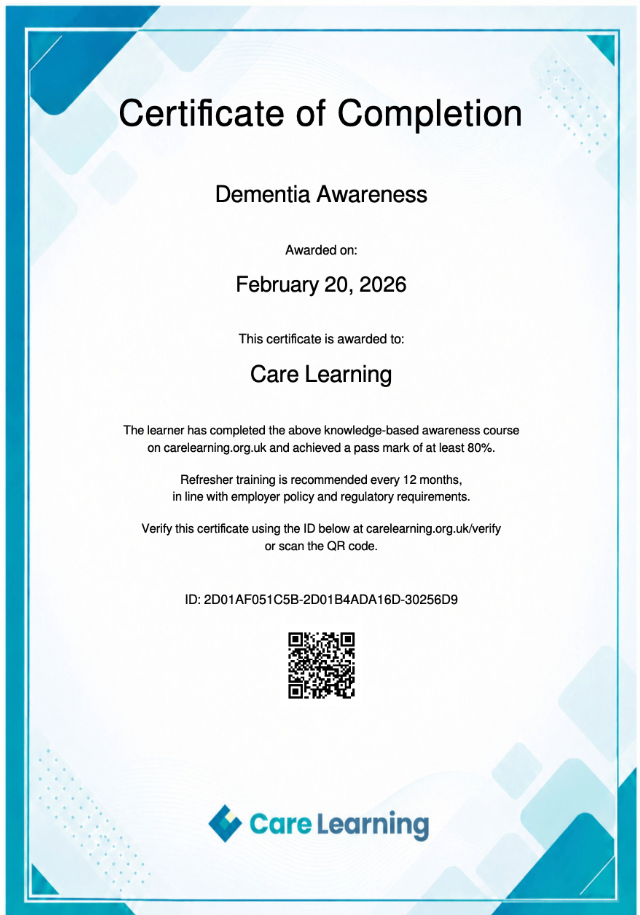
Yes. A certificate is issued after successful completion.
Effective questioning is more than simply asking for information. This course provides a practical framework for asking purposeful questions, listening to the answers and responding within appropriate workplace boundaries, helping learners communicate more clearly and responsibly across a range of professional situations.
Enrol now to build your understanding of effective workplace questioning.