
This Child Criminal Exploitation training course is designed for practitioners, staff and volunteers who may work with children, young people, families or community safeguarding concerns. It explains what CCE is, why it is a serious safeguarding issue, and how professionals can recognise signs of exploitation without blaming or criminalising the child.
This free course covers how CCE can happen offline and online, including county lines, grooming, coercion, financial exploitation, missing episodes and wider harms. It also explores trauma-informed communication, clear recording, information sharing, the National Referral Mechanism, multi-agency working, disruption activity and ongoing support.
Why Take This eLearning Course?
Child criminal exploitation can be hidden behind behaviour that may first appear to be offending, secrecy, absence or poor engagement. This eLearning course helps learners look beyond visible behaviour, understand coercion and control, and respond through safe, proportionate safeguarding practice.
This course will help you to:
- Understand CCE as a form of child abuse and exploitation.
- Recognise how power, fear, debt, status and manipulation can be used to control children.
- Identify common examples of CCE, including county lines and financial exploitation.
- Spot behavioural, physical, practical and online signs of concern.
- Avoid assumptions that may delay safeguarding support.
- Use non-blaming, trauma-informed language when speaking with or recording concerns.
- Understand barriers that may stop children disclosing exploitation.
- Know when concerns should be shared through safeguarding routes.
- Recognise when the National Referral Mechanism may be relevant.
- Support safer multi-agency responses focused on protection and disruption.
Learning Outcomes
By the end of this course, you will be able to:
- Define child criminal exploitation and explain why children cannot consent to exploitation.
- Describe how CCE may happen through offline contact, online spaces and peer influence.
- Explain county lines activity and how children may be groomed, trapped or controlled.
- Identify vulnerability factors while avoiding stereotypes about who can be exploited.
- Recognise common signs of CCE in behaviour, possessions, finances, travel and digital activity.
- Use appropriate, non-victim-blaming language in discussions and safeguarding records.
- Communicate with children in a trauma-informed and non-judgemental way.
- Record concerns clearly using facts, patterns and professional judgement.
- Outline immediate safety actions and routes for sharing concerns.
- Explain the importance of contextual safeguarding, disruption and ongoing support.
Child Criminal Exploitation (CCE) Training Course Outline
Module 1: Understanding Child Criminal Exploitation
Learners will explore what child criminal exploitation means and why it is recognised as a form of child abuse. This module explains the role of power imbalance, coercion, control, manipulation, deception and exchange, and makes clear that apparent agreement from a child does not mean free or informed choice. It also introduces CCE as a safeguarding concern, explains the need to look beyond visible behaviour, and shows how exploitation may happen through direct contact, digital communication or a combination of both. Learners will also consider common examples of criminal exploitation, including drug supply, theft, money laundering, weapons carrying and cuckooing.
Module 2: County Lines, Grooming and Overlapping Harms
Learners will examine county lines as a form of criminal exploitation linked to illegal drug supply and dedicated communication routes. This module explains how children may be used to move drugs, cash, phones or weapons, and how they may be placed in unsafe accommodation or controlled through fear, debt and threats. Learners will also consider how grooming can begin with gifts, status, belonging or protection before escalating into violence, blackmail or debt bondage. The module also explores how CCE can overlap with child sexual exploitation, trafficking, modern slavery, serious violence, missing episodes and mental health harm.
Module 3: Children at Risk and Where Exploitation Can Happen
Learners will understand that any child can be exploited, regardless of background, gender, ethnicity, family structure, income or level of achievement. This module explores common vulnerability factors such as missing episodes, education disruption, poverty, isolation, trauma, unmet needs, disability, caring responsibilities, family conflict and peer pressure, while making clear that these factors never make a child responsible for abuse. Learners will also consider where children may be targeted, including schools, colleges, alternative provision, transport hubs, public spaces, online settings and accommodation. The module highlights how assumptions about age, gender, behaviour, ethnicity, culture or family circumstances can increase risk and delay support.
Module 4: Recognising Signs and Indicators of CCE
Learners will identify signs that may suggest a child is being criminally exploited, while considering patterns rather than isolated incidents. This module covers behavioural changes such as going missing, unexplained travel, secrecy, fearfulness, aggression, tiredness, withdrawal and changes in peer relationships. Learners will also examine physical and practical signs, including unexplained money, multiple phones, injuries, poor hygiene, hunger, possession of drugs or weapons, and travel evidence. Online indicators are also covered, including excessive online activity, hidden messages, unknown contacts, threats, location tracking and image-based abuse. The module also explains financial exploitation, including money muling, unusual payments, debt concerns and pressure to share banking access.
Module 5: Language, Communication and Recording
Learners will consider why language matters when identifying and responding to child criminal exploitation. This module explains how victim-blaming terms can hide abuse and wrongly place responsibility on the child, while factual and neutral wording helps professionals understand risk more clearly. Learners will explore trauma-informed communication, including calm approaches, listening, validation, non-judgemental language and consistency. The module also looks at barriers to disclosure, including fear, shame, loyalty, mistrust of services, debt, control and fear of criminalisation. Learners will then review how to record concerns clearly by separating facts, patterns and professional judgement, and by including dates, places, people, injuries, possessions, travel, online concerns, financial signs and actions taken.
Module 6: Safeguarding Responses and Multi-Agency Working
Learners will explore what to do when a child may be in danger, missing, injured, threatened or under control. This module outlines immediate safety actions, including emergency help, contacting a safeguarding lead, seeking medical care, following missing child procedures, safe supervision, information sharing and considering risks to siblings or peers. Learners will also consider when concerns should be shared with children’s social care, police, health services and local safeguarding partners. The module introduces the National Referral Mechanism as the UK system for identifying potential victims of modern slavery and human trafficking, including cases involving county lines. It also explains why multi-agency working is essential when concerns cross home, education, community, health, housing, police and youth justice contexts.
Module 7: Protection, Disruption and Ongoing Support
Learners will consider how protective factors can reduce risk and support recovery, including trusted adults, safe relationships, school belonging, family support, positive activities and early help. This module explains contextual safeguarding and why professionals need to understand harm in peer groups, education settings, neighbourhoods, transport routes, online spaces and other places outside the home. Learners will also examine disruption activity, including safety planning, information sharing and action around unsafe properties or locations. The module finishes by exploring ongoing support needs, including trauma support, education planning, family work, practical safety, advocacy, safer peer relationships and planning to reduce the risk of re-exploitation.
Target Audience
This course is suitable for:
- Safeguarding leads and designated safeguarding staff.
- Education, youth work and alternative provision staff.
- Children’s services, family support and early help practitioners.
- Health, housing, community safety and voluntary sector staff.
- Police, youth justice and multi-agency safeguarding partners.
- Volunteers or frontline staff who may notice concerns about children or young people.
No previous specialist knowledge is required.
FAQ
Who is this course suitable for?
This course is suitable for practitioners, staff and volunteers who may come into contact with children, young people, families or safeguarding concerns. It is particularly relevant for those working in education, youth services, children’s services, community safety, housing, health, policing, youth justice or voluntary sector roles.
Do I need any previous experience?
No previous specialist knowledge is required. The course introduces child criminal exploitation clearly and explains key safeguarding concepts, signs, recording practice and response routes in practical terms.
What will I learn on this Child Criminal Exploitation course?
You will learn what CCE is, how children may be groomed or controlled, how county lines activity can involve children, what signs may indicate exploitation, and how to respond through safe safeguarding practice.
Will this course help with day-to-day practice?
Yes. The course supports day-to-day professional judgement by helping learners notice patterns, record concerns clearly, use non-blaming language and understand when concerns may need to be shared.
Does the course cover practical skills?
Yes. It covers practical recognition, trauma-informed communication, factual recording, immediate safety actions, information sharing, contextual safeguarding and multi-agency working.
Does it cover relevant responsibilities or good practice?
Yes. The course explains CCE as a safeguarding issue and covers good practice around recording, sharing concerns, considering emergency action, working with safeguarding leads and understanding when the National Referral Mechanism may be relevant.
How long does the course take?
The course is self-paced and usually takes around 1 hour to complete.
Will I receive a certificate?
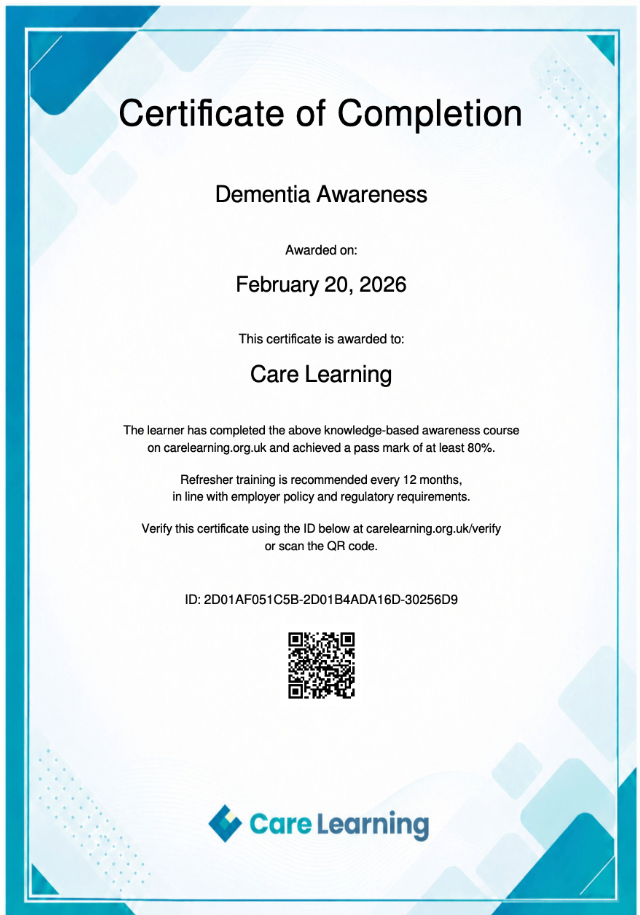
Yes. A certificate is issued after successful completion.
Child Criminal Exploitation is complex, often hidden and closely linked to coercion, control and wider safeguarding harm. This course gives learners a clear foundation for recognising concerns, responding safely and supporting a joined-up approach that focuses on protection, disruption and recovery.
Enrol now to build your understanding of child criminal exploitation.