This Honour Based Abuse Awareness Course is designed for workers who may come into contact with adults, children or young people at risk of abuse linked to perceived honour, family reputation or community pressure.
This free awareness course explains what Honour Based Abuse is, who may be affected, how risk can appear in practice and why safe professional responses are essential. It also covers forced marriage, harmful practices, warning signs, legal protections, safeguarding responsibilities, referral pathways, MARAC, recording and the importance of specialist support.
Why Take This eLearning Course?
Honour Based Abuse can be hidden, complex and high risk. Professionals need the confidence to recognise concerns, ask safe questions, avoid unsafe responses and act promptly through safeguarding routes.
This course will help you to:
- Understand Honour Based Abuse (HBA) as a safeguarding concern
- Recognise common forms of control, coercion and harm
- Identify warning signs that may be hidden or minimised
- Understand the risks linked to forced marriage and harmful practices
- Respond safely when someone makes a disclosure
- Avoid actions that may increase danger
- Communicate safely with people who may be monitored
- Understand relevant UK legal protections and professional duties
- Use risk assessment, referral and safety planning appropriately
- Work with statutory and specialist agencies to support protection
Learning Outcomes
By the end of this course, you will be able to:
- Define Honour Based Abuse (HBA) and describe how it may present
- Explain why Honour Based Abuse is a safeguarding issue
- Identify who may be affected, including adults, children and LGBTQ+ people
- Recognise myths and misconceptions that can prevent safe action
- Describe forced marriage and distinguish it from arranged marriage
- Identify harmful practices linked to Honour Based Abuse
- Recognise warning signs and factors that may increase danger
- Explain how to respond safely to a disclosure
- Describe key UK legal protections and safeguarding responsibilities
- Outline safe referral, recording, risk assessment and multi-agency practice
Honour Based Abuse Awareness Course Outline
Module 1: Understanding Honour Based Abuse
Learners will explore the meaning of Honour Based Abuse and why it must be recognised as abuse rather than treated as a private family matter. This module explains how perceived dishonour, family reputation, gender expectations and control over personal choices can lead to threats, isolation, monitoring, assault and other forms of harm. Learners will also consider why Honour Based Abuse is a safeguarding concern, who may be affected and how myths about culture, family resolution, gender and consent can prevent safe professional action.
Module 2: Forms of Abuse and Harmful Practices
Learners will examine the different ways Honour Based Abuse may appear in practice, including threats, intimidation, isolation, surveillance, coercive control, physical abuse, sexual abuse, financial abuse and emotional abuse. The module explains forced marriage, the difference between arranged and forced marriage, and the importance of free consent. Learners will also consider related harmful practices such as female genital mutilation, breast ironing, virginity testing, forced pregnancy, forced abortion, dowry-related abuse and abandonment abroad. The module highlights that abuse may involve multiple perpetrators, including relatives, partners, community members and people overseas.
Module 3: Recognising Warning Signs and Escalating Risk
Learners will consider possible warning signs, such as withdrawal, fear, absence from school or work, restricted movement, sudden travel plans, passport concerns, monitoring of communication and disclosures of threats or forced marriage plans. This module explains risk factors that can increase danger, including disclosure, separation, pregnancy, sexuality, gender identity, refusal of marriage, planned travel abroad and involvement from professionals. Learners will also understand why risk can escalate quickly and why professional curiosity, private enquiry, safe interpretation, accurate recording and respectful questioning are important.
Module 4: Safe Professional Responses
Learners will focus on how to respond safely when someone discloses Honour Based Abuse. This includes listening, believing, explaining confidentiality and checking immediate safety. The module also covers unsafe actions to avoid, including family mediation, using relatives as interpreters, contacting alleged perpetrators, promising secrecy, minimising threats or assuming culture explains abuse. Learners will explore safe communication, including private conversations, safe contact details, code words, interpreter safety, digital safety and clear recording of communication preferences. Immediate safety steps, emergency action and safeguarding advice are also covered.
Module 5: Legal Protections and Safeguarding Responsibilities
Learners will review relevant UK legal protections connected to Honour Based Abuse, including offences relating to violence, threats, coercive control, stalking, harassment, sexual abuse, forced marriage and female genital mutilation. This module explains Forced Marriage Protection Orders, Female Genital Mutilation Protection Orders and the duty for regulated health and social care professionals and teachers in England and Wales to report known cases of female genital mutilation in under 18s to the police. Learners will also consider professional safeguarding responsibilities, statutory and specialist agency roles, MARAC, IDVA services and the importance of accurate records in supporting safeguarding and criminal justice action.
Module 6: Risk Assessment, Referral and Safety Planning
Learners will examine basic risk assessment principles, including immediate danger, escalation, access to the person, multiple perpetrators, travel risk, children involved and professional judgement. The module explains when domestic abuse risk tools such as DASH may support assessment, while stressing that tools should not replace professional judgement or specialist advice. Learners will also explore safe referral pathways through police, children’s social care, adult safeguarding, health, education, housing, MARAC, IDVA services, the Forced Marriage Unit and specialist Honour Based Abuse services. Practical safety planning is covered, including emergency contacts, safe words, documents, digital safety, travel prevention, school or workplace plans and safe accommodation.
Module 7: Multi-Agency Working, Recording and Specialist Support
Learners will understand why Honour Based Abuse often requires coordinated multi-agency working. This module explains how shared information, clear accountability, risk review and specialist input can reduce gaps in protection. Learners will consider the role of MARAC in high-risk domestic abuse cases, including information sharing, safety planning, agency actions and IDVA involvement. The module also covers good recording practice, including exact words, observed evidence, actions taken and safe contact instructions. Learners will finish by considering why specialist Honour Based Abuse support is important for complex cases involving family networks, harmful practices, travel risk and community pressure.
Target Audience
This course is suitable for:
- Health and social care workers in the UK
- Adult safeguarding and child protection practitioners
- Care workers, support workers and team leaders
- Health, education, housing and community support staff
- Domestic abuse, family support and advocacy workers
- Managers responsible for safeguarding practice and staff training
No previous specialist knowledge is required.
FAQ
Who is this course suitable for?
This course is suitable for support workers, safeguarding practitioners, support staff, managers and professionals who may need to recognise and respond to Honour Based Abuse.
Do I need any previous experience?
No previous specialist knowledge is required. The course introduces key concepts clearly and supports learners to understand safe practice, safeguarding responsibilities and referral options.
What will I learn on this Honour Based Abuse course?
You will learn what Honour Based Abuse is, who may be affected, how warning signs can appear, why risk can escalate quickly and how to respond safely through safeguarding and specialist support routes.
Will this course help with day-to-day practice?
Yes. The course supports day-to-day practice by helping staff recognise hidden risk, ask safe questions, record concerns accurately and avoid responses that could increase danger.
Does the course cover practical skills?
Yes. It covers practical areas such as safe communication, professional curiosity, risk assessment, safety planning, referral pathways, recording and multi-agency working.
Does it cover relevant responsibilities or good practice?
Yes. The course covers professional safeguarding responsibilities, UK legal protections, adult and child safeguarding routes, MARAC, specialist agency input and the importance of acting promptly on risk.
How long does the course take?
The course is self-paced and usually takes around 1 hour to complete.
Will I receive a certificate?
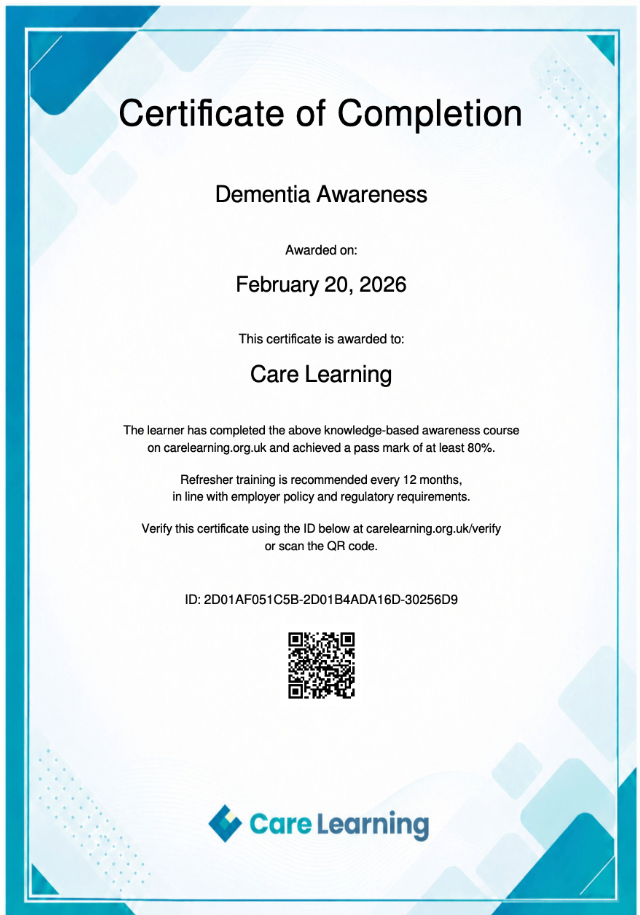
Yes. A certificate is issued after successful completion.
Honour Based Abuse requires careful, informed and timely professional action. This course supports staff to recognise concerns, protect confidentiality, respond safely and work with the right agencies to reduce risk and support people affected by abuse.
Enrol now to build your understanding of Honour Based Abuse.