This conflict resolution training course is designed for staff working in patient-facing NHS, healthcare and health and social care settings. It supports learners to recognise conflict, respond professionally to difficult interactions and understand how to help keep themselves, patients, visitors and colleagues safe.
This free course covers common causes of conflict, communication skills, de-escalation, warning signs, risk assessment, safe positioning, workplace responsibilities, restrictive intervention boundaries, clinically related behaviour, incident follow-up, reporting and support after violence or aggression.
This course is mapped to the Conflict Resolution Level 1 learning outcomes in the UK Core Skills Training Framework. Full CSTF delivery alignment depends on local evidence of delivery method, assessment, duration, resources and trainer competence where applicable.
Why Take This eLearning Course?
Conflict can develop quickly in busy healthcare environments, especially when people are distressed, anxious, in pain or frustrated by delays and uncertainty. This online conflict resolution course helps staff build the awareness and confidence to respond early, communicate clearly and follow local procedures when risk increases.
This course will help you to:
- Recognise different forms of work-related conflict, abuse and aggression.
- Understand common causes of conflict in patient-facing NHS work.
- Notice early signs of escalation and respond before a situation reaches crisis point.
- Use calm, respectful verbal and non-verbal communication.
- Adapt communication for cultural, equality and access needs.
- Apply simple de-escalation principles in difficult conversations.
- Set clear boundaries and offer realistic choices.
- Identify warning signs that may indicate increasing risk.
- Understand safe distance, positioning and exit awareness.
- Report, record and learn from incidents in line with local procedures.
Learning Outcomes
By the end of this course, you will be able to:
- Define conflict, verbal abuse, threats, harassment and physical assault in a work setting.
- Explain how distress, expectations, delays and communication barriers can contribute to conflict.
- Describe the stages of conflict and identify signs of escalation.
- Use active listening, calm tone and clear language to support safer communication.
- Recognise equality, cultural and communication needs during conflict.
- Apply de-escalation techniques, boundaries and realistic choices.
- Identify behavioural warning signs and carry out dynamic risk assessment.
- Explain how local procedures, risk assessment and safe systems support staff safety.
- Describe the limits of reasonable force and restrictive intervention.
- Follow appropriate actions after an incident, including support, reporting and learning.
Conflict Resolution Training for NHS and Care Staff Course Outline
Module 1: Understanding Conflict in Healthcare
Learners will explore what conflict can look like in NHS and care settings, including verbal abuse, threats, intimidation, harassment and physical assault. This module explains how frustration, fear, pain, misunderstanding and unmet expectations can contribute to difficult interactions. It also introduces the stages of escalation, from early tension through to crisis and recovery, and considers the impact conflict can have on staff wellbeing, patient safety and service continuity.
Module 2: Communication During Conflict
Learners will examine how words, tone, pace, posture, facial expression and personal space can affect the outcome of a difficult interaction. The module explains active listening, respectful language, clear explanations and checking understanding. It also considers cultural needs, access needs, communication barriers and common causes of breakdown, helping staff adapt their approach and reduce misunderstanding.
Module 3: De-escalation and Safer Interaction
Learners will develop an understanding of simple de-escalation principles, including staying calm, slowing the interaction, showing respect, acknowledging feelings and reducing stimulation where appropriate. This module also covers communication models for different levels of conflict, setting polite and firm boundaries, offering realistic choices and avoiding common mistakes that can increase tension.
Module 4: Recognising Risk and Warning Signs
Learners will consider how behaviour may change during conflict and how visible distress or reduced control can affect risk. The module explains warning and danger signs such as clenched hands, pacing, fixed staring, raised voice, space invasion and sudden silence. It also covers safe distance, open positioning, exit awareness, body language and dynamic risk assessment during a developing incident.
Module 5: Procedures, Responsibilities and Restrictive Intervention Boundaries
Learners will review the procedural and environmental factors that can influence conflict, including staffing levels, room layout, waiting areas, alarms, security support and escalation routes. This module explains employer duties, safe systems of work and staff responsibilities. It also introduces reasonable force, its limits and the importance of prevention-first practice, least restrictive approaches, trained support, factual recording and review.
Module 6: After an Incident: Support, Reporting and Learning
Learners will explore how behaviour may be clinically related to cognitive change, mental health, trauma, pain, intoxication, communication need or distress. The module explains immediate actions after a violent or aggressive incident, including moving to safety, calling for help and supporting affected people. It also covers manager support, occupational health, wellbeing services, peer debriefing, longer-term help, accurate records and learning from incident reports and near misses.
Target Audience
This course is suitable for:
- NHS staff working in patient-facing roles.
- Healthcare assistants, support workers and clinical support staff.
- Reception, administration and front-of-house healthcare teams.
- Ward, clinic, community and urgent care staff.
- Managers and supervisors supporting safer working practices.
- Health and social care workers who may encounter distressed, challenging or aggressive behaviour.
No previous specialist knowledge is required.
FAQ
Who is this course suitable for?
This course is suitable for NHS, healthcare and health and social care staff who may experience conflict, aggression or difficult interactions as part of their role. It is particularly relevant for patient-facing teams and staff working in busy public-facing environments.
Do I need any previous experience?
No. The course introduces core conflict resolution principles in clear, practical language. It is suitable for new starters, experienced staff and anyone who needs to refresh their understanding of safer communication and local escalation responsibilities.
What will I learn on this conflict resolution course?
You will learn how conflict can develop, how to recognise early warning signs, how communication affects escalation, how to use de-escalation principles and how to follow appropriate procedures after an incident.
Will this course help with day-to-day practice?
Yes. The course focuses on realistic situations that staff may face in reception areas, clinics, wards, waiting areas, community settings and other healthcare environments. It supports calm, professional and safety-focused practice.
Does the course cover practical skills?
The course covers practical communication and risk awareness skills, including active listening, calm tone, safe positioning, setting boundaries, offering choices, recognising danger signs and knowing when to seek support. It does not train learners in restraint techniques.
Does it cover relevant responsibilities or good practice?
Yes. The course covers workplace responsibilities linked to risk assessment, safe systems, reporting, recording, local procedures, staff support and learning from incidents. It also explains why staff should stay within their role, training and local policy.
How long does the course take?
The course is self-paced and usually takes around 1 hour to complete.
Will I receive a certificate?
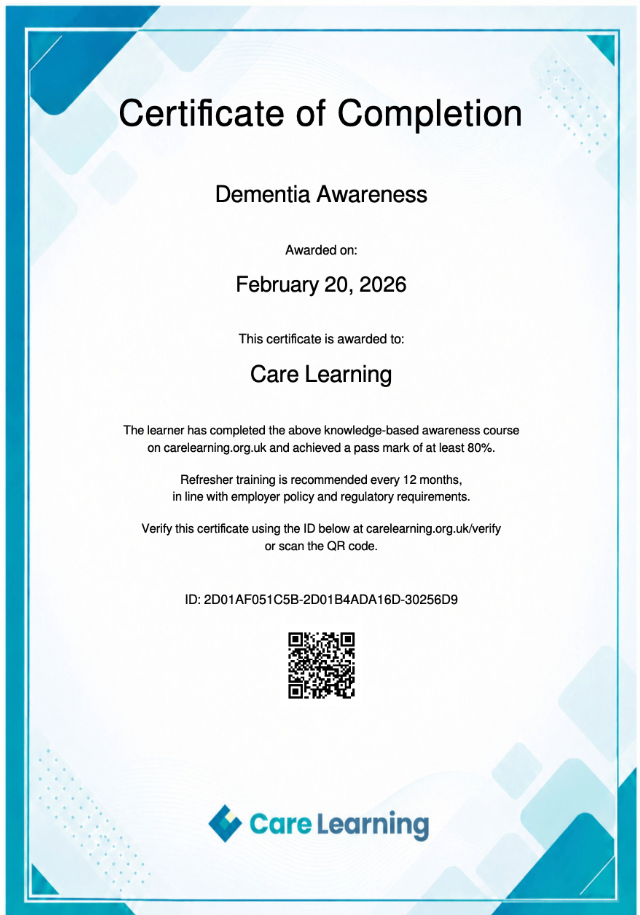
Yes. A certificate is issued after successful completion.
This conflict resolution eLearning course gives staff a clear foundation for recognising risk, communicating calmly and responding appropriately when conflict occurs. It supports safer working practices, better incident follow-up and a more confident approach to challenging situations.
Enrol now to build your understanding of conflict resolution.