
This digital wellbeing course is designed for health and social care workers who use technology as part of their daily role. It explores how digital tools, online communication and constant connectivity can affect wellbeing, professional boundaries, safe practice and the quality of support provided to people who use services.
The course covers balanced technology use, digital overload, online professionalism, data protection, digital stress, respectful communication and practical ways to create healthier digital habits at work and at home.
Why Take This eLearning Course?
Digital systems are now central to care records, communication and service coordination. This course supports learners to use technology responsibly while protecting their own wellbeing, maintaining confidentiality and supporting safe, person-centred care.
This course will help you to:
- Understand what digital wellbeing means in health and social care.
- Recognise how technology can affect physical, mental and emotional health.
- Manage screen time, notifications and online pressure more effectively.
- Maintain professional and ethical boundaries when using digital tools.
- Protect sensitive information in line with data protection responsibilities.
- Identify signs of digital fatigue, anxiety and dependence.
- Use practical strategies to reduce digital stress and overload.
- Communicate online with respect, empathy and professionalism.
- Separate work and personal digital use more clearly.
- Support a healthier digital culture within your team.
Learning Outcomes
By the end of this course, you will be able to:
- Define digital wellbeing and explain why it matters in care practice.
- Describe the positive and negative effects of technology on wellbeing.
- Identify benefits and risks of digital tools in care settings.
- Explain how digital overload and constant connectivity affect performance.
- Maintain appropriate online boundaries with colleagues and people who use services.
- Apply strategies to improve balance between online and offline life.
- Explain the importance of digital footprints, confidentiality and data protection.
- Recognise signs and causes of digital fatigue, stress and anxiety.
- Use appropriate coping strategies and support routes for digital stress.
- Promote respectful online communication and a team-wide digital wellness culture.
Digital Wellbeing in Health and Social Care – Course Outline
Module 1: Understanding Digital Wellbeing
Learners will explore what digital wellbeing means and why it is important in health and social care. This module explains how digital habits can affect focus, judgement, sleep, attention and resilience, while also linking technology use to safe practice, duty of care, safeguarding, professional boundaries and responsible use of digital systems.
Module 2: Technology, Health and Daily Balance
Learners will consider how technology can affect physical, mental and emotional health. The module covers common effects such as eye strain, headaches, posture problems, poor sleep, stress, anxiety and emotional exhaustion. It also explains how to build a healthier balance between online and offline life through screen breaks, rest, movement, face-to-face interaction and clear work-related boundaries.
Module 3: Digital Tools, Overload and Professional Boundaries
Learners will examine the benefits and challenges of digital tools in care settings, including electronic records, secure information sharing, remote support and digital monitoring. The module also covers digital overload, constant alerts, cognitive strain, reduced job satisfaction and the importance of maintaining professional and ethical boundaries online, including the use of approved systems and avoiding inappropriate social media contact.
Module 4: Building Healthier Digital Habits
Learners will focus on practical strategies to improve digital wellbeing, including planned screen breaks, mindful checking, notification control, ergonomic adjustments and protecting offline time. This module also explores self-monitoring, personal responsibility and the use of digital wellbeing tools such as screen-time settings, downtime features, focus apps and relaxation apps to support healthier technology use.
Module 5: Digital Footprint, Confidentiality and Data Protection
Learners will understand what a digital footprint is and how online actions can have long-term professional consequences. This module covers confidentiality, UK GDPR, the Data Protection Act 2018, accurate record keeping, secure access, safe storage, careful communication, clear desk practice, training and incident reporting, with a focus on protecting dignity, privacy and trust.
Module 6: Recognising and Managing Digital Stress
Learners will identify signs and causes of digital fatigue, anxiety and dependence, including tiredness, reduced focus, irritability, headaches, sleep problems and repeated checking behaviours. The module explains how workload, system design, constant connectivity and unclear boundaries can contribute to stress, and it sets out coping strategies such as recovery time, breathing techniques, movement, early conversations with managers and access to wellbeing support.
Module 7: Respectful Digital Communication and Workplace Relationships
Learners will explore how to communicate online with clarity, respect and empathy. This module covers tone, professional language, respectful wording, sensitive conversations, teamwork, written accountability and the effect of online interactions on workplace relationships. It also explains how to recognise cyberbullying or inappropriate digital conduct and report concerns through the right organisational routes.
Module 8: Digital Boundaries and Team Culture
Learners will consider how to manage digital boundaries between work and home, including agreed working hours, separate devices, controlled notifications, transition routines and planned offline time. The module also looks at organisational practices that support digital wellbeing, such as clear policies, supportive leadership, training, system design and shared team norms that reduce unnecessary pressure and promote healthier digital working.
Target Audience
This course is suitable for:
- Health and social care workers who use digital systems, devices or online communication.
- Care staff, support workers and healthcare assistants.
- Team leaders, supervisors and managers in care settings.
- Staff involved in care records, communication or service coordination.
- New starters who need an introduction to safe and healthy digital practice.
- Organisations seeking to promote responsible digital working.
No previous specialist knowledge is required.
FAQ
Who is this course suitable for?
This course is suitable for UK health and social care workers who use technology as part of their role, including care staff, support workers, healthcare assistants, team leaders and managers.
Do I need any previous experience?
No. The course provides a clear introduction to digital wellbeing and does not require previous specialist knowledge of technology, data protection or wellbeing practice.
What will I learn on this course?
You will learn how technology affects wellbeing, how to manage digital overload, how to maintain online boundaries, how to protect confidential information and how to communicate professionally in digital spaces.
Will this course help with day-to-day practice?
Yes. The course focuses on practical workplace habits, including managing notifications, taking screen breaks, using approved systems, protecting rest time and responding appropriately to digital stress.
Does the course cover practical skills?
Yes. It covers realistic strategies for managing screen time, reducing digital pressure, using wellbeing tools, improving online communication and creating healthier work-home boundaries.
Does this digital wellbeing course cover data protection responsibilities?
Yes. The course introduces key responsibilities linked to confidentiality, UK GDPR, the Data Protection Act 2018, secure systems, safe communication and reporting data concerns.
Does it cover professional online behaviour?
Yes. Learners explore digital footprints, online boundaries, respectful communication, cyberbullying, inappropriate digital conduct and how online behaviour can affect professional trust.
How long does the course take?
The course is self-paced and usually takes around 1 hour to complete.
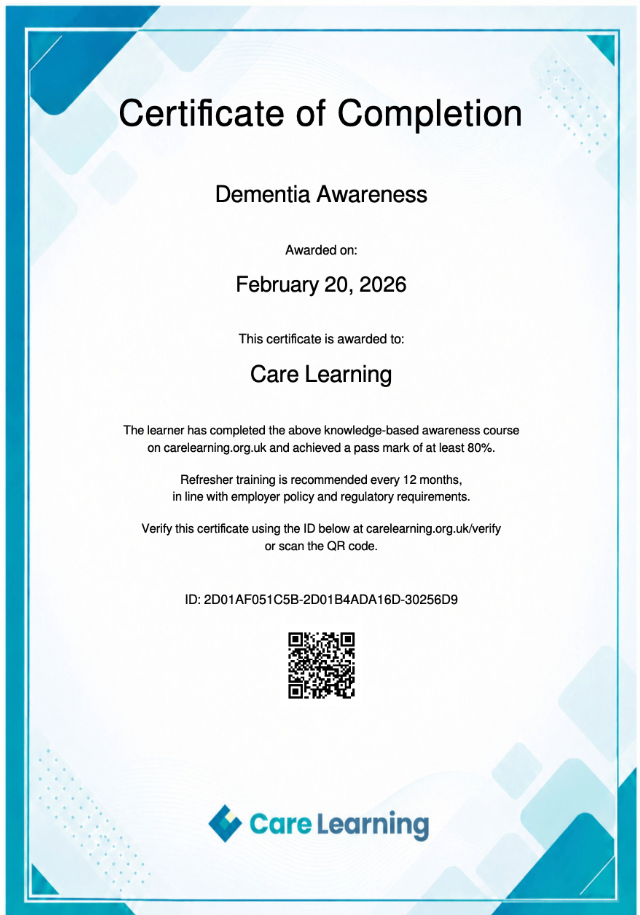
Will I receive a certificate?
Yes. A certificate is issued after successful completion.
Digital wellbeing is an important part of safe, professional and sustainable care practice. This course helps learners build practical awareness, reduce digital strain and use technology in ways that support both personal wellbeing and respectful care.
Enrol now to build your understanding of digital wellbeing in health and social care.