
This online course explains how adult social care organisations can support workforce wellbeing and improve staff retention. It is designed for managers, supervisors, human resources professionals, commissioners and others who influence employment practices and working conditions in England.
This free course covers work-related stress, burnout, workforce pressures, supportive management, staff recognition, organisational culture and the employee journey. Learners will also explore professional boundaries, confidentiality, appropriate support routes and practical action planning.
Why Take This eLearning Course?
Workforce wellbeing and retention affect employees, services and the people who rely on care and support. This course helps learners examine the organisational factors behind workforce pressures and take practical, evidence-informed action rather than relying only on individual coping strategies.
This course will help you to:
- Understand the relationship between wellbeing, stress, burnout and retention
- Recognise how workforce stability supports care continuity
- Identify common workplace factors that create avoidable pressure
- Respond appropriately to early signs of stress or disengagement
- Consider how workforce pressures differ between social care settings
- Improve workloads, rotas, communication and role clarity
- Strengthen supervision and everyday management support
- Develop fair recognition, staff voice and speaking-up arrangements
- Handle employee wellbeing information appropriately
- Create a focused workforce wellbeing and retention action plan
Learning Outcomes
By the end of this course, you will be able to:
- Define workforce wellbeing, work-related stress, burnout and staff retention
- Explain why employee wellbeing and workforce stability matter in social care
- Interpret national workforce evidence alongside local service information
- Identify workplace stressors using the six Management Standards areas
- Recognise possible signs of stress, burnout and disengagement
- Recommend practical improvements to work design and management practice
- Explain how appreciation, inclusion and staff voice influence workplace culture
- Distinguish the responsibilities of managers, HR professionals and commissioners
- Identify suitable support, escalation and information-handling routes
- Develop and review a practical wellbeing and retention improvement plan
Workforce Wellbeing and Retention in Social Care Course Outline
Module 1: Understanding Workforce Wellbeing and Retention
Learners will define physical and mental wellbeing, work-related stress, burnout, staff retention, turnover and vacancies. The module explains why these terms should not be used interchangeably and explores how working conditions, management support and workforce stability affect employees, organisations and continuity of care. Learners will also consider the national adult social care workforce and policy context in England, including how published evidence can be compared with local information such as rota gaps, sickness, supervision themes, staff surveys and exit feedback.
Module 2: Workplace Pressures, Early Signs and Service Settings
Learners will examine common causes of work-related stress through the areas of demands, control, support, relationships, role and organisational change. They will learn how to notice possible changes in behaviour, performance, absence or confidence without making clinical assumptions or attempting to diagnose an employee. The module also compares pressures that may arise in care homes, domiciliary care, supported living and services working across NHS and social care systems, while emphasising that each team’s experience should be assessed locally.
Module 3: Preventive Work Design and Supportive Management
Learners will explore how realistic workloads, safer rotas, suitable breaks, adequate travel time, effective handovers and clear responsibilities can prevent avoidable pressure. The module explains how regular supervision, wellbeing conversations, reflective debriefs and accessible management contact can support both site-based and dispersed teams. It also identifies weaknesses in workplace wellbeing initiatives, including one-off activities, resilience-only messages, delayed responses, inconsistent support, inaccessible provision and a failure to evaluate whether an initiative is helping.
Module 4: Recognition, Compassionate Culture and Staff Voice
Learners will distinguish between informal and formal recognition and consider how specific, timely and fair appreciation can acknowledge genuine contributions. The module explores inclusive, compassionate and collaborative workplace cultures, including equal access to information, development and opportunities across roles, shifts, locations and backgrounds. Learners will also examine how consultation, speaking-up arrangements, fair investigations and visible responses to feedback can build trust, while inconsistent standards or dismissive responses can undermine it.
Module 5: Professional Boundaries, Support and Confidentiality
Learners will examine the different roles of managers, human resources professionals and commissioners in supporting workforce wellbeing. The module clarifies why managers should focus on work-related support rather than diagnosis or therapy and identifies appropriate routes such as occupational health, HR services, trade union representatives, general practitioners, mental health services, NHS 111 and emergency support. It also explains how employee health information should be requested, recorded, stored, accessed and shared in line with employment needs, data protection requirements and organisational policy.
Module 6: Strengthening Retention and Planning Improvement
Learners will explore opportunities to improve the employee journey through values-based recruitment, realistic role information, induction, probation support, supervision, learning, career conversations, stay interviews and exit feedback. The module considers evidence-informed factors associated with retention, including leadership stability, employee experience, training, pay, contracted hours, sickness, workload and access to support. Learners will then develop a practical action-planning approach based on local evidence, employee feedback, clear ownership, realistic measures and a manageable test-and-review cycle.
Target Audience
This course is suitable for:
- Registered managers and service managers in adult social care
- Team leaders, supervisors and aspiring managers
- Human resources and workforce development professionals
- Adult social care providers and senior leaders
- Commissioners and contract management professionals
- People responsible for staff wellbeing, engagement or retention
No previous specialist knowledge is required.
FAQ
Who is this course suitable for?
The course is suitable for people who manage, support or influence the adult social care workforce. This includes managers, supervisors, HR professionals, providers, commissioners and workforce development staff.
Do I need any previous experience?
No previous specialist knowledge is required. The course introduces the main concepts clearly while providing practical guidance for learners with management or workforce responsibilities.
What will I learn on this course?
You will learn about workforce wellbeing, work-related stress, burnout, retention, workplace culture and employee support. You will also explore work design, recognition, staff voice, professional boundaries, confidentiality and practical action planning.
How can this workforce wellbeing and retention course support my organisation?
The course can help organisations examine the workplace conditions affecting employees, use workforce information more effectively and plan realistic improvements to management practice, staff support and retention.
Will this course help with day-to-day practice?
Yes. The course supports practical conversations about workloads, rotas, supervision, workplace change, staff feedback and employee concerns. It also explains how to agree actions and review whether support is making a difference.
Does the course cover practical management skills?
Yes. Learners will explore supportive conversations, early intervention, supervision, staff involvement, recognition, escalation routes and action planning. The course also explains the limits of a manager’s role.
Does it cover relevant responsibilities or good practice?
Yes. The course covers employer responsibilities for managing work-related stress risks, fair employment practices, appropriate professional boundaries and the careful handling of employee health information.
How long does the course take?
The course is self-paced and usually takes around 1 hour to complete.
Will I receive a certificate?
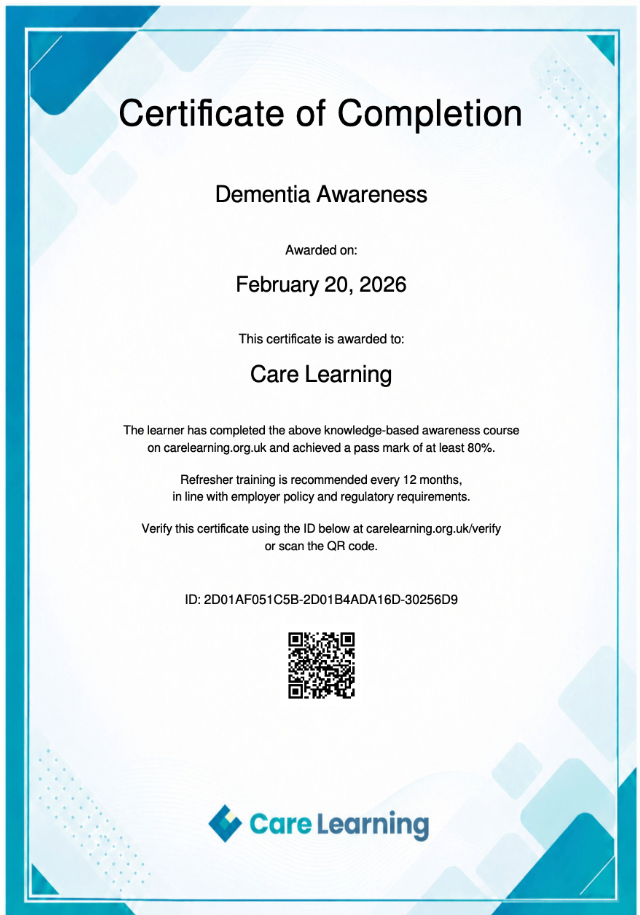
Yes. A certificate is issued after successful completion.
Supporting workforce wellbeing requires more than isolated activities. This course provides a structured approach to understanding workplace pressures, strengthening management practice and creating employment experiences that encourage skilled social care staff to remain and develop.
Enrol now to build your understanding of workforce wellbeing and retention in social care.