
The Supporting Colleagues in Distress course is designed for workers, managers and other staff who may need to respond when a colleague appears to be struggling. It provides a practical approach to recognising possible signs of distress, starting respectful conversations and offering appropriate support without making assumptions or attempting to diagnose another person.
This free course explores work-related stress, burnout and mental health difficulties, as well as the workplace and personal pressures that can affect wellbeing. Learners will develop their understanding of supportive conversations, active listening, signposting, reasonable adjustments, confidentiality, professional boundaries, emergency escalation and practical ways to create a workplace culture where people feel able to speak up.
Why Take This eLearning Course?
Supporting a distressed colleague requires sensitivity, good judgement and clear professional boundaries. This eLearning course helps learners recognise when a conversation may be appropriate and respond in a way that respects the individual’s choices while recognising workplace, safeguarding and safety responsibilities.
This course will help you to:
- Recognise common signs that a colleague may be experiencing distress or sustained workplace pressure.
- Understand the differences between distress, work-related stress, burnout and mental health difficulties.
- Start supportive conversations without making assumptions about what someone is experiencing.
- Use open questions and active listening to give colleagues space to speak.
- Identify workplace and external sources of appropriate support.
- Explore practical workplace changes and reasonable adjustments where relevant.
- Handle personal information sensitively and understand the limits of confidentiality.
- Maintain appropriate boundaries when supporting someone who is struggling.
- Know when concerns should be referred or escalated to appropriate services.
- Contribute to a workplace culture that reduces stigma and supports staff wellbeing.
Learning Outcomes
By the end of this course, you will be able to:
- Define distress, work-related stress, burnout and mental health difficulty.
- Describe workplace and wider factors that can contribute to distress.
- Identify changes in behaviour, communication and work patterns that may prompt a supportive check-in.
- Explain how to choose an appropriate time and place for a wellbeing conversation.
- Use open, non-judgmental questions and active listening techniques.
- Identify suitable workplace and external sources of support.
- Explain how managers can explore workplace support and reasonable adjustments.
- Describe professional boundaries and the limits of confidentiality.
- Identify when advice, referral, safeguarding action or emergency support may be required.
- Explain how managers and colleagues can reduce stigma, manage work-related pressures and protect their own wellbeing.
Supporting Colleagues in Distress Course Outline
Module 1: Understanding Distress and Workplace Wellbeing
Learners will explore the differences between distress, work-related stress, burnout and mental health difficulties, including why these experiences may overlap without being interchangeable. The module examines common workplace pressures such as workload, control, support, relationships, role clarity and organisational change, while recognising that bereavement, caring responsibilities, financial concerns, illness and other personal circumstances may also affect wellbeing. Learners will also consider how stigma, fear of judgement and previous negative experiences can discourage people from speaking openly, and why early, respectful support should focus on noticing changes, checking in and encouraging appropriate help rather than taking control of another person’s situation.
Module 2: Recognising When a Colleague May Be Struggling
Learners will consider changes in mood, behaviour, communication, concentration, attendance, working patterns and engagement that may provide a reason for a supportive conversation. The module explores patterns associated with sustained workplace distress, including exhaustion, withdrawal, increased irritability, reduced ability to cope and repeated concerns about workload. It reinforces that these signs can have many possible causes and should never be treated as proof of a mental health condition. Learners will also identify circumstances in which a timely check-in may be useful, including noticeable behavioural changes, difficult incidents, bereavement, workplace conflict, staffing pressures and organisational change.
Module 3: Having a Supportive Conversation
Learners will develop practical approaches to starting and managing sensitive conversations with colleagues. The module covers choosing a private and appropriate setting, allowing sufficient time and offering the colleague reasonable choice about when and where to talk. Learners will explore observation-led and open questions that avoid judgement or assumptions, alongside active listening techniques such as giving full attention, allowing silence, checking understanding and resisting the urge to immediately solve the problem. The module also highlights common mistakes, including interrupting, minimising feelings, diagnosing someone, pushing unwanted solutions or making promises that cannot be kept.
Module 4: Signposting, Workplace Support and Next Steps
Learners will examine workplace support routes such as managers, Human Resources, occupational health, employee assistance programmes, wellbeing leads and trade union representatives, together with external sources including health professionals, NHS mental health services, Samaritans, community services and emergency services where necessary. Managers will consider how to explore work-related pressures, involve appropriate specialist advice and discuss possible changes to hours, duties, breaks, communication or working arrangements. The module also considers reasonable adjustments and relevant legal responsibilities, including the Equality Act 2010 in England, Scotland and Wales, while recognising that different provisions apply in Northern Ireland. Learners will also explore how to agree realistic actions, clarify responsibilities, arrange follow-up and respond respectfully if a colleague does not want to talk or accept support.
Module 5: Professional Boundaries, Confidentiality and Escalation
Learners will explore the limits of the peer, practitioner and manager role when supporting someone in distress. The module explains why colleagues should listen, signpost and provide appropriate workplace support without acting as counsellors, therapists or diagnosticians unless this forms part of a separate qualified professional role. Managers will consider how personal information should be handled, why absolute confidentiality should not be promised and when relevant information may need to be shared because of safety, safeguarding or other responsibilities. Learners will also examine when to seek advice or refer concerns and what to do where there is immediate danger or a mental health emergency, including appropriate use of emergency services, urgent mental health support and organisational safeguarding procedures.
Module 6: Creating a Supportive Workplace Culture
Learners will consider practical ways to reduce stigma and make appropriate wellbeing conversations part of ordinary workplace practice. The module explores respectful language, private opportunities to raise concerns and consistent management behaviour that supports speaking up. Managers will examine how work design, workload, role clarity, resources, working relationships, communication and organisational change can contribute to work-related stress and how workplace risks can be addressed rather than relying only on individual resilience. Learners will also consider the personal impact of supporting a distressed colleague, including the importance of boundaries, supervision, shared responsibility and access to their own support. The course concludes by bringing together the key approach of noticing, asking, listening, responding, signposting and following up while escalating concerns appropriately when safety requires it.
Target Audience
This course is suitable for:
- Health and social care workers who may need to support colleagues experiencing distress.
- Team leaders, supervisors and registered managers.
- Care practitioners and other frontline staff.
- Managers responsible for staff wellbeing, workload or workplace support.
- Employees who want to communicate more confidently with colleagues who may be struggling.
- Organisations seeking to encourage respectful conversations about wellbeing and work-related stress.
No previous specialist knowledge is required.
FAQ
Who is this course suitable for?
The course is suitable for health and social care workers, managers, supervisors and other staff who may need to recognise when a colleague is struggling and respond appropriately. It is relevant to both people with formal management responsibilities and colleagues who may be the first person someone chooses to speak to.
Do I need any previous experience?
No previous specialist knowledge is required. The course explains the principles of recognising distress, holding supportive conversations, signposting and maintaining professional boundaries in clear and practical terms.
What will I learn on the Supporting Colleagues in Distress course?
You will learn about distress, workplace stress, burnout and mental health difficulties, as well as common changes that may indicate someone is struggling. The course also covers supportive conversations, active listening, workplace and external support, reasonable adjustments, confidentiality, professional boundaries, referrals and emergency escalation.
Will this course help with day-to-day practice?
Yes. The course focuses on situations that may arise during everyday working life, such as noticing a change in a colleague, deciding when to check in, asking respectful questions, listening carefully and agreeing appropriate next steps. It also helps managers consider how workplace pressures may be addressed.
Does the course cover practical skills?
Yes. Learners are introduced to practical communication techniques, including choosing an appropriate setting, using observation-led questions, asking open questions, listening actively and checking understanding. The course also explains how to signpost support and arrange proportionate follow-up.
Does it cover workplace responsibilities and good practice?
Yes. The course considers responsibilities relating to work-related stress, confidentiality, workplace support, reasonable adjustments, safeguarding and emergency situations. It also emphasises the importance of following current organisational procedures and seeking HR, occupational health or other specialist advice where appropriate.
What should I do if a colleague does not want to talk?
The course explains that a colleague’s choice should usually be respected and they should not be pressured to disclose personal information or accept help. Support options can remain open, while safeguarding, emergency or other serious safety concerns should still be addressed through the appropriate procedure.
Does the course explain what to do in a mental health emergency?
Yes. Learners will consider when a situation requires urgent escalation, including when someone’s life may be at risk or it is not possible to keep people safe. The course covers emergency services, urgent mental health support, safeguarding procedures and appropriate handover and follow-up.
How long does the course take?
The course is self-paced and usually takes around 1 hour to complete.
Will I receive a certificate?
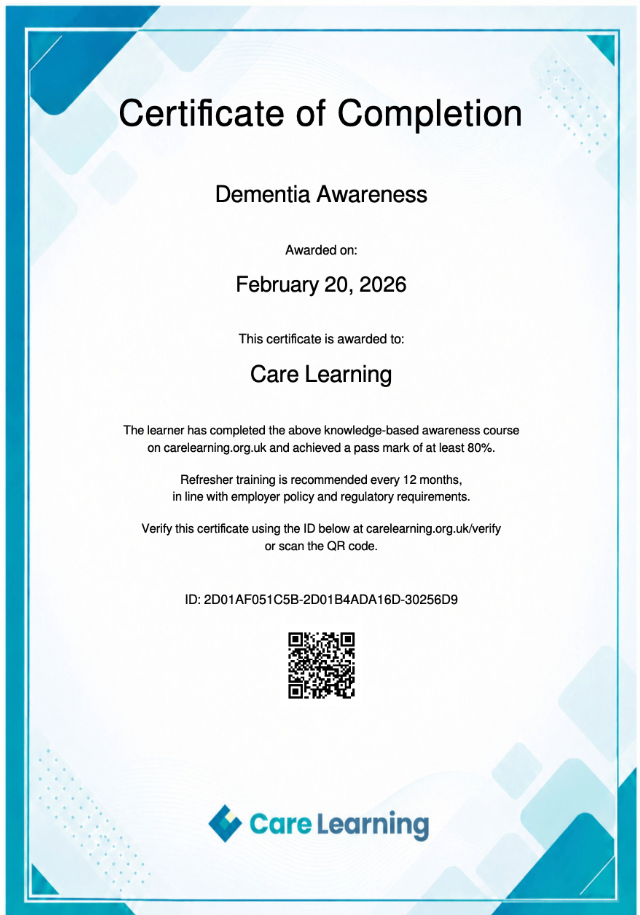
Yes. A certificate is issued after successful completion.
Supporting Colleagues in Distress provides a clear framework for responding when someone at work may be struggling. By combining respectful communication with appropriate signposting, boundaries, workplace action and escalation, the course helps staff provide support without taking on responsibilities that belong with qualified professionals or specialist services.
Enrol now to build your understanding of supporting colleagues in distress.