This Ofsted Early Years Inspection Framework course is designed for early years practitioners, childminders, managers and leaders working in England. It explains how inspection considers children’s education, care, safety and everyday experiences within early years provision.
This free course covers the purpose and scope of inspection, curriculum quality, behaviour and attitudes, personal development, leadership, safeguarding and proportionate inspection preparation. It also explains differences between inspection routes and highlights the introduction of renewed Ofsted inspection materials from 10 November 2025.
Why Take This eLearning Course?
Understanding how Ofsted evaluates early years provision can help practitioners and leaders focus on the quality of children’s normal experiences rather than inspection-only activities. This course supports informed, reflective and child-centred practice across the provision.
This course will help you to:
- Understand the purpose and scope of early years inspection
- Recognise how inspection arrangements differ between provider types
- Connect curriculum aims with everyday teaching and play
- Consider how children develop knowledge, skills and confidence
- Support positive behaviour and emotional self-regulation
- Strengthen children’s participation, independence and sense of belonging
- Promote inclusive, safe and physically active experiences
- Understand leadership responsibilities for safeguarding and improvement
- Use everyday practice as meaningful inspection evidence
- Avoid unnecessary paperwork and staged inspection preparation
Learning Outcomes
By the end of this course, you will be able to:
- Define the purpose and scope of the Education Inspection Framework
- Identify the judgement areas used under the 2019/2023 early years framework
- Explain how inspection routes differ between registered settings and school-based provision
- Describe curriculum intent, implementation and impact
- Explain how practitioners can encourage positive attitudes to learning
- Identify effective approaches to behaviour and self-regulation
- Describe how responsive care supports confidence and independence
- Explain how leadership, inclusion and safeguarding affect provision quality
- Identify evidence available through normal early years practice
- Apply proportionate approaches to documentation and quality improvement
Ofsted Early Years Inspection Framework Course Outline
The course is organised into six modules covering the inspection framework, curriculum quality, behaviour and attitudes, personal development, leadership and management, and evidence-based improvement.
Module 1: Understanding Early Years Inspection
Learners will explore the purpose and scope of the Education Inspection Framework and how inspection provides an independent view of children’s education, care and daily experiences. The module explains the main judgement areas used under the 2019/2023 framework, the role of safeguarding and overall effectiveness, and the differences between inspections of Ofsted-registered providers, maintained nursery schools and early years provision within schools. Learners will also consider how legal status and registration determine the inspection route and why providers must use the Ofsted materials in force on the inspection date.
Module 2: Curriculum Intent, Implementation and Impact
Learners will examine how early years providers decide what children should learn, translate curriculum aims into everyday experiences and consider the difference teaching makes to children’s development. The module covers the Early Years Foundation Stage educational programmes, sequencing learning, adapting provision to individual needs and using play, routines, interactions and the learning environment to support progress. It also explains how children demonstrate growing knowledge, secure learning and readiness for their next stage, and how intent, implementation and impact contributed to one quality of education judgement under the earlier framework.
Module 3: Behaviour, Attitudes and Participation
Learners will consider how curiosity, concentration, persistence and critical thinking develop through play and supportive adult interaction. The module explains effective approaches to expectations, emotional literacy, co-regulation, respectful relationships and individual behavioural needs. It also examines how predictable routines, emotional security and constructive partnerships with families help children participate fully in the life of the provision.
Module 4: Personal Development, Health and Inclusion
Learners will explore how secure relationships and responsive care help children develop confidence, emotional understanding and growing independence. The module covers the key person approach, age-appropriate choices, self-care, physical activity, hygiene, food, rest and opportunities to understand manageable risks. It also explains how inclusive resources, respectful interactions and accurate representation of different families, cultures, abilities and identities can strengthen belonging and prepare children for life in modern Britain.
Module 5: Leadership, Safeguarding and Accountability
Learners will examine how leaders establish a clear vision for education and care and ensure that values are reflected in daily practice. The module covers inclusive access, support for children with special educational needs and disabilities, supervision, professional development, staff well-being and proportionate assessment. Learners will also consider partnership working, accountable oversight, safeguarding culture, current statutory requirements and the use of focused improvement priorities that lead to better experiences for children.
Module 6: Inspection Evidence and Quality Improvement
Learners will identify the evidence that already exists within children’s play, practitioner interactions, care routines and professional knowledge. The module explains how leaders and staff can discuss their curriculum and teaching choices honestly without relying on scripts, unnecessary tracking or inspection-only files. It also covers statutory records, professional discussion, accurate self-evaluation, focused improvement planning and reviewing whether actions have made a meaningful difference to children.
Target Audience
This course is suitable for:
- Early years practitioners and educators
- Nursery managers, room leaders and deputies
- Registered childminders and childminding assistants
- Early years setting owners and responsible individuals
- Governors, trustees and committee members overseeing early years provision
- Staff preparing to take on leadership or quality-improvement responsibilities
No previous specialist knowledge is required.
FAQ
Who is this course suitable for?
The course is suitable for practitioners, childminders, managers, leaders and people responsible for overseeing early years provision in England. It can also support staff who are new to Ofsted inspection expectations.
Do I need any previous experience?
No previous inspection experience is required. The course introduces the main concepts clearly and is suitable for both new and experienced members of the early years workforce.
What will I learn on the Ofsted early years course?
You will learn about the purpose of inspection, curriculum quality, children’s behaviour and personal development, leadership, safeguarding, everyday inspection evidence and proportionate approaches to preparation and improvement.
Will this course help with day-to-day practice?
Yes. The course connects inspection principles with children’s normal experiences, including play, routines, relationships, teaching, care and communication with families.
Does the course cover practical inspection preparation?
The course explains how providers can maintain required records, discuss their curriculum confidently and use evidence from normal practice. It also identifies unnecessary approaches such as staged activities, scripted answers and excessive inspection-only paperwork.
Does it cover safeguarding and leadership responsibilities?
Yes. The course explains leadership responsibilities for safeguarding culture, staff knowledge, reporting procedures, recruitment, supervision, partnership working and continuous improvement.
Does the course explain different inspection routes?
Yes. It outlines how inspection arrangements can differ for registered nurseries, childminders, maintained nursery schools, school-based provision and separately registered childcare operating on school premises.
How long does the course take?
The course is self-paced and usually takes around 1 hour to complete.
Will I receive a certificate?
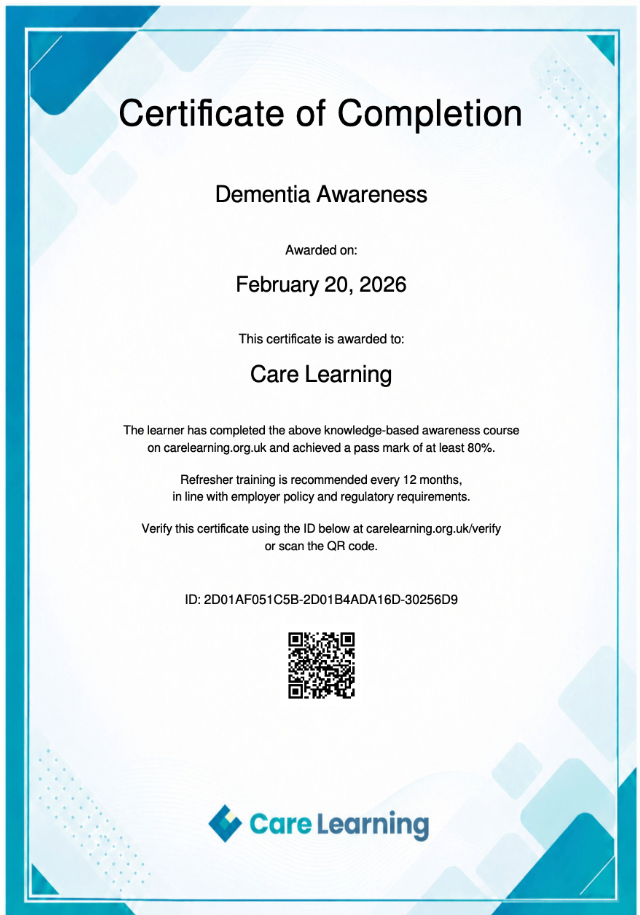
Yes. A certificate is issued after successful completion.
This course provides a structured introduction to the Ofsted Early Years Inspection Framework and its connection with children’s everyday education, care and well-being. It supports early years professionals to evaluate provision honestly, explain their practice clearly and focus improvement activity on meaningful outcomes for children.
Enrol now to build your understanding of the Ofsted Early Years Inspection Framework.